

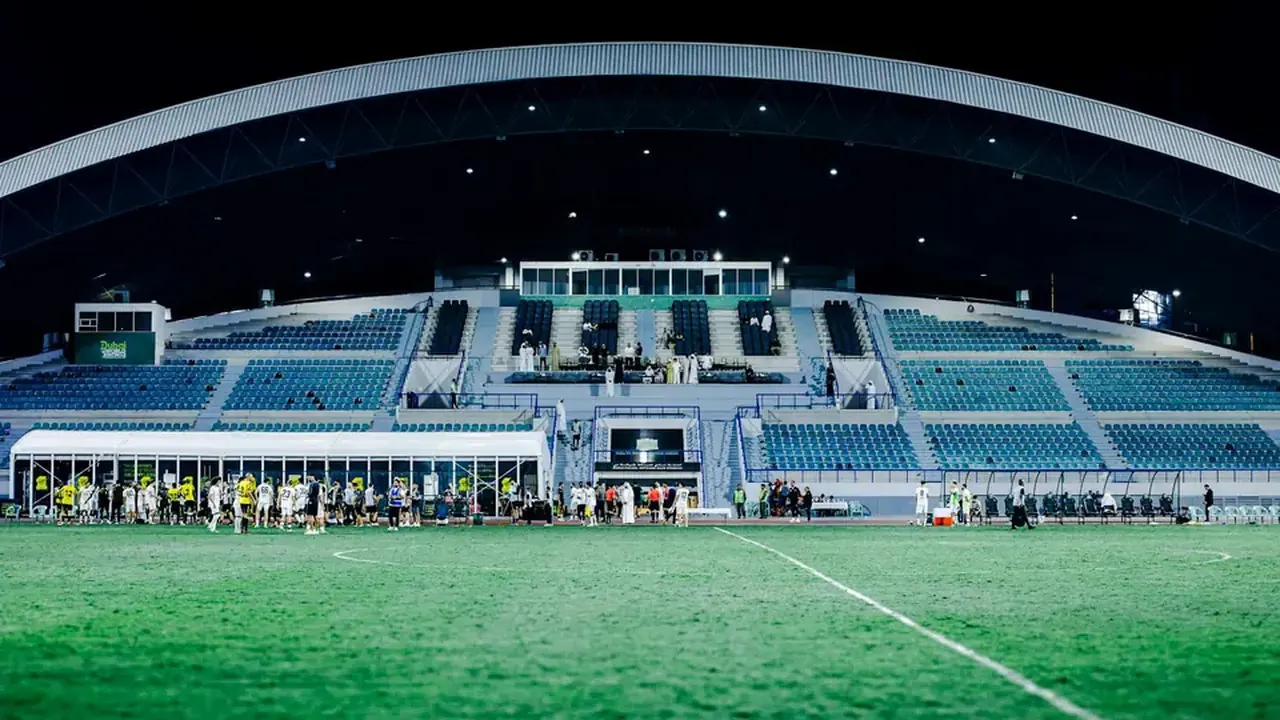
Anfield
The home of Liverpool Football Club since 1892, Anfield is more than a stadium—it's a living monument to the club's identity. Originally built in 1884 for Everton FC, the ground has undergone continuous expansion, most notably the Main Stand redevelopment completed in 2016, which pushed capacity to over 54,000. The stadium's atmosphere is legendary, particularly on European nights under the floodlights. The famous "This Is Anfield" sign in the tunnel, installed by Bill Shankly in the 1960s, serves as a psychological marker for players and opponents alike. Anfield's architecture blends historic stands—the Kop, the Sir Kenny Dalglish Stand—with modern facilities, creating a unique matchday experience that reflects the club's working-class roots and global ambition.The Kop
The Spion Kop, or simply "the Kop," is Anfield's most iconic stand. Named after a hill in South Africa where a Boer War battle took place in 1900, the stand originally held a large number of standing spectators, making it one of the largest single-tier terraces in British football. Today, after the all-seater regulations following the Taylor Report, the Kop holds thousands of seats but retains its reputation as the emotional heart of Anfield. The Kop's collective singing—from "You'll Never Walk Alone" to terrace anthems—creates a wall of sound that has intimidated visiting teams for generations. It remains a symbol of Liverpool's fan culture: passionate, loyal, and fiercely independent.You'll Never Walk Alone
Adopted as the club's anthem in the 1960s, this Rodgers and Hammerstein song from the musical "Carousel" has become synonymous with Liverpool FC. The tradition began when the Beatles' cover version was played over the Anfield PA system before matches; fans spontaneously began singing along, and the ritual stuck. Today, the song is performed before every home game, with thousands of scarves raised in the air—a visual and auditory spectacle that unites the crowd. The phrase "You'll Never Walk Alone" (YNWA) appears on the club crest, the Shankly Gates, and the Hillsborough Memorial, embodying the club's ethos of solidarity and community support.Shankly Gates
The gates at Anfield's entrance, officially named after legendary manager Bill Shankly, bear the inscription "You'll Never Walk Alone." Shankly managed Liverpool from 1959 to 1974, transforming the club from a Second Division side into a dominant force in English and European football. The gates, erected in 1982 after his death, serve as a pilgrimage point for fans. Shankly's philosophy—"Some people believe football is a matter of life and death; I can assure you it's much more serious than that"—captures the intensity of the club's culture. The gates symbolize the bridge between the club's past and present, reminding every visitor of the values Shankly instilled.Hillsborough Memorial
Located outside Anfield, the Hillsborough Memorial commemorates the 97 Liverpool supporters who lost their lives in the 1989 FA Cup semi-final disaster at Hillsborough Stadium. The memorial, shaped like an eternal flame, lists the names of all victims. It is a site of annual remembrance on April 15, where fans and families gather to honor those who died. The tragedy profoundly shaped Liverpool's identity—the subsequent legal battle for justice, the Taylor Report's safety reforms, and the club's ongoing commitment to supporter welfare all stem from this event. The memorial is not a tourist attraction; it is a sacred space that demands respect.The Boot Room
Originally a small room at Anfield where coaching staff stored players' boots, the Boot Room became legendary under Bill Shankly and his successors. It was here that managers like Bob Paisley, Joe Fagan, and Kenny Dalglish discussed tactics, scouted opponents, and built the dynasty that won multiple league titles and European Cups between 1964 and 1990. The room symbolized Liverpool's coaching culture: collaborative, discreet, and obsessive about detail. Although the original Boot Room was demolished during stadium renovations in the 1990s, its legacy lives on in the club's emphasis on continuity and internal promotion. Modern iterations, like the current coaching setup under Arne Slot, echo this tradition of developing from within.Bill Shankly
The architect of modern Liverpool. Shankly took over in 1959 when the club languished in the Second Division and built the foundations for decades of success. His methods—intense training, psychological motivation, and a focus on collective effort over individual stars—revolutionized English football. Under Shankly, Liverpool won multiple league titles and cups. More importantly, he created the club's identity: the "Liverpool Way" of playing attractive, attacking football while maintaining humility and hard work. His statue outside Anfield, unveiled in 1997, captures him in a characteristic pose, arms raised, connecting with the Kop.Bob Paisley
Shankly's successor, Bob Paisley, is one of the most successful managers in English football history by trophy count, winning numerous major honors between 1974 and 1983, including three European Cups. Despite his achievements, Paisley remained modest and media-shy, preferring to work behind the scenes. His tactical acumen—particularly in European competitions—set standards for the club. Paisley's legacy is often overshadowed by Shankly's charisma, but his trophy haul and his role in establishing Liverpool as a European powerhouse are undeniable. He is honored with a suite at Anfield and a statue unveiled in 2020.Kenny Dalglish
"King Kenny" is Liverpool's most iconic player-manager. As a player (1977–1990), he scored many goals and won numerous trophies, including three European Cups. As manager, he led the club to multiple league titles and FA Cups, including the double in 1986. Dalglish's connection to the club deepened after Hillsborough, where he attended funerals, supported families, and carried the emotional weight of the tragedy. His second managerial stint (2011–2012) saw him win the League Cup and stabilize the club after a turbulent period. The Sir Kenny Dalglish Stand at Anfield, renamed in 2017, honors his enduring contribution.European Nights at Anfield
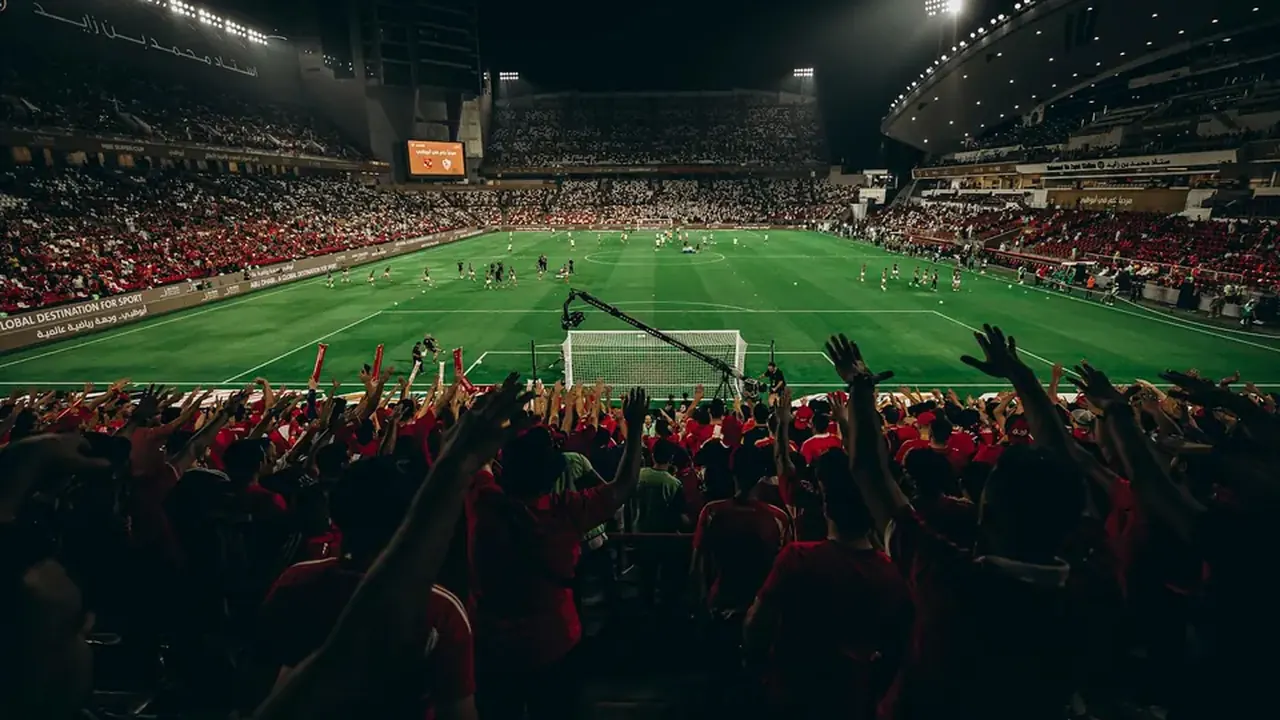
A specific cultural phenomenon: the atmosphere at Anfield during UEFA Champions League matches. The combination of the floodlights, the Kop's singing, and the pre-match rendition of "You'll Never Walk Alone" creates an intimidating environment for visiting teams. Iconic European nights include the 2005 semi-final against Chelsea (Luis García's "ghost goal"), the 2019 comeback against Barcelona (4-0 after a 3-0 first-leg deficit), and the 2022 group stage victories. The phrase "European nights at Anfield" has become shorthand for the club's ability to produce dramatic, emotional performances on the biggest stage. This tradition continues under Arne Slot, though the specific atmosphere depends on the opponent and stakes.Boot Room Boys
A term referring to the coaching staff who emerged from the Boot Room tradition. Figures like Joe Fagan, Roy Evans, and Ronnie Moran were all promoted from within, maintaining continuity of philosophy. Fagan won the European Cup in his first season as manager (1984); Evans managed the "Spice Boys" era of the mid-1990s. The Boot Room Boys represent the club's preference for internal development over external hires—a tradition that has softened in recent decades but still influences decisions, such as the appointment of Arne Slot from Feyenoord (an outside hire but with a similar developmental philosophy).The Liverpool Way
An unwritten code of conduct defining how the club operates. Key principles include: playing attractive, attacking football; maintaining dignity in victory and defeat; supporting the manager through difficult periods; prioritizing the collective over individuals; and treating opponents, officials, and fans with respect. The term is often invoked during periods of transition or controversy—for example, during the departure of star players or managerial changes. Critics argue it can be used to stifle dissent or avoid tough decisions, but for many fans, it remains a guiding ethos that distinguishes Liverpool from more commercially driven clubs.Transfer Policy
Liverpool's approach to player recruitment, particularly under the Fenway Sports Group (FSG) ownership since 2010. The policy emphasizes data-driven scouting, signing young players with high potential (e.g., Mohamed Salah, Sadio Mané, Roberto Firmino), and selling at peak value. The "Moneyball" approach, adapted from baseball, focuses on undervalued metrics like expected goals (xG) and progressive passes rather than traditional stats. Recent windows have seen the club pursue specific profiles such as a left-back, a creative midfielder, a right-sided attacker, and a striker, though all transfers depend on availability, price, and the player's fit within Arne Slot's system.Arne Slot
Appointed head coach succeeding Jürgen Klopp. Slot arrived from Feyenoord, where he achieved domestic success and European progress. His tactical style emphasizes possession-based football, high pressing, and positional flexibility—a departure from Klopp's "heavy metal" gegenpressing but with similar intensity. Slot's early tenure has focused on adapting the squad to a more controlled, patient approach while maintaining the attacking flair expected at Anfield. His success will be judged on trophy wins and the team's ability to compete in the Premier League and Champions League.Jürgen Klopp Era (2015–2024)
A transformative period that restored Liverpool to the pinnacle of European football. Klopp won the Champions League (2019), the Premier League (2020), and the FIFA Club World Cup (2019), among other honors. His philosophy—gegenpressing, emotional leadership, and a deep connection with fans—made him a beloved figure. The era also saw the construction of the new Main Stand and the AXA Training Centre. Klopp's departure in 2024 marked the end of a golden age, leaving high expectations for his successor. The transition to Arne Slot represents both continuity (high pressing, attacking football) and change (more structured possession).Mohamed Salah
The Egyptian winger, signed from Roma in 2017, became one of Liverpool's greatest ever players. His debut season (2017–18) saw him score 44 goals in all competitions, breaking the Premier League single-season record. Salah's combination of pace, finishing, and creativity made him a central figure in Klopp's system. His contract situation has been a recurring topic of discussion, with his future at the club depending on negotiations and performance. Salah remains a key player, though his role may evolve under Slot's tactical approach.Virgil van Dijk
The Dutch center-back, signed from Southampton in 2018 for a then-world record fee for a defender, transformed Liverpool's defense. His leadership, aerial dominance, and composure on the ball were crucial to the Champions League and Premier League triumphs. Van Dijk's influence extends beyond his playing ability; he serves as a mentor to younger defenders and a vocal presence in the dressing room. His contract situation and age have led to speculation about the club's long-term defensive plans, but he remains a cornerstone of the team.Trent Alexander-Arnold
The homegrown right-back, a product of Liverpool's academy, redefined the full-back role with his exceptional passing range and creativity. Alexander-Arnold's ability to deliver crosses, free kicks, and line-breaking passes made him a key playmaker for Klopp. His defensive vulnerabilities have been a topic of debate, but his offensive output—including multiple seasons with double-digit assists—is undeniable. Under Slot, he has been seen operating in a more hybrid role, often moving into midfield during possession. His long-term future at the club is a subject of ongoing speculation.Alisson Becker
The Brazilian goalkeeper, signed from Roma in 2018, is widely considered one of the world's best. His shot-stopping, distribution, and calmness under pressure have been instrumental in Liverpool's success. Alisson's iconic moments include the header against West Brom in 2021 (scoring a last-minute winner) and numerous saves in crucial matches. His presence provides a foundation for the team's high defensive line. At his peak, he remains vital, though the club may begin planning for succession in the coming seasons.Academy and Youth Development
Liverpool's Kirkby Academy, upgraded to the AXA Training Centre in 2020, has produced talents like Trent Alexander-Arnold, Curtis Jones, and Harvey Elliott. The club's philosophy emphasizes technical ability, tactical intelligence, and character. Recent academy graduates include Ben Doak and James McConnell, though breaking into the first team remains challenging. The youth setup under Slot focuses on integrating young players into the senior squad's tactical system, with a particular emphasis on developing players who can contribute in multiple positions. The academy's success is measured not just by first-team contributions but also by the value generated through sales of homegrown players.Matchday Experience
A typical matchday at Anfield begins hours before kickoff, with fans gathering at pubs like The Sandon, The Albert, or The Arkles. The walk to the stadium passes the Hillsborough Memorial and the Shankly Gates. Inside, the atmosphere builds through pre-match rituals: the team announcement, the playing of "You'll Never Walk Alone," and the Kop's songs. The match itself is followed by post-match analysis in the pubs or on fan forums. For international fans, matchday packages are available through official channels, though tickets are notoriously difficult to obtain due to high demand. The experience is as much about community as football.Fan Culture and Supporter Groups
Liverpool's fanbase is diverse, spanning generations and continents. Local supporters maintain traditions like the "Kop Choir," while international fans have formed official supporters' clubs worldwide. The Spirit of Shankly (SOS) union advocates for fan rights, ticket pricing, and club governance. The fan culture emphasizes loyalty, humor, and a critical eye toward the club's management. Online communities, including forums, podcasts, and social media groups, debate everything from tactics to transfers. The club's ownership under FSG has been a frequent topic of discussion, with some fans criticizing the "Moneyball" approach while others defend its sustainability.What to Check Before Visiting Anfield
- Tickets: Purchase only through official Liverpool FC channels or authorized resellers. Avoid unofficial sellers; tickets are non-transferable and require ID matching.
- Matchday Information: Check the club's official website for kickoff times, transport disruptions, and stadium entry requirements.
- Stadium Tours: Book in advance; tours of Anfield and the AXA Training Centre are available on non-matchdays.
- Hillsborough Memorial: Visit respectfully; photography is permitted but avoid disruptive behavior.
- Merchandise: The official Liverpool FC store at Anfield offers kits, scarves, and souvenirs. Beware of counterfeit goods sold outside the stadium.
- Accessibility: Anfield has facilities for disabled supporters; contact the club's accessibility team in advance.
- Travel: Anfield is a residential area; use public transport or park-and-ride services. Matchday traffic is heavy; plan to arrive early.

Reader Comments (0)