

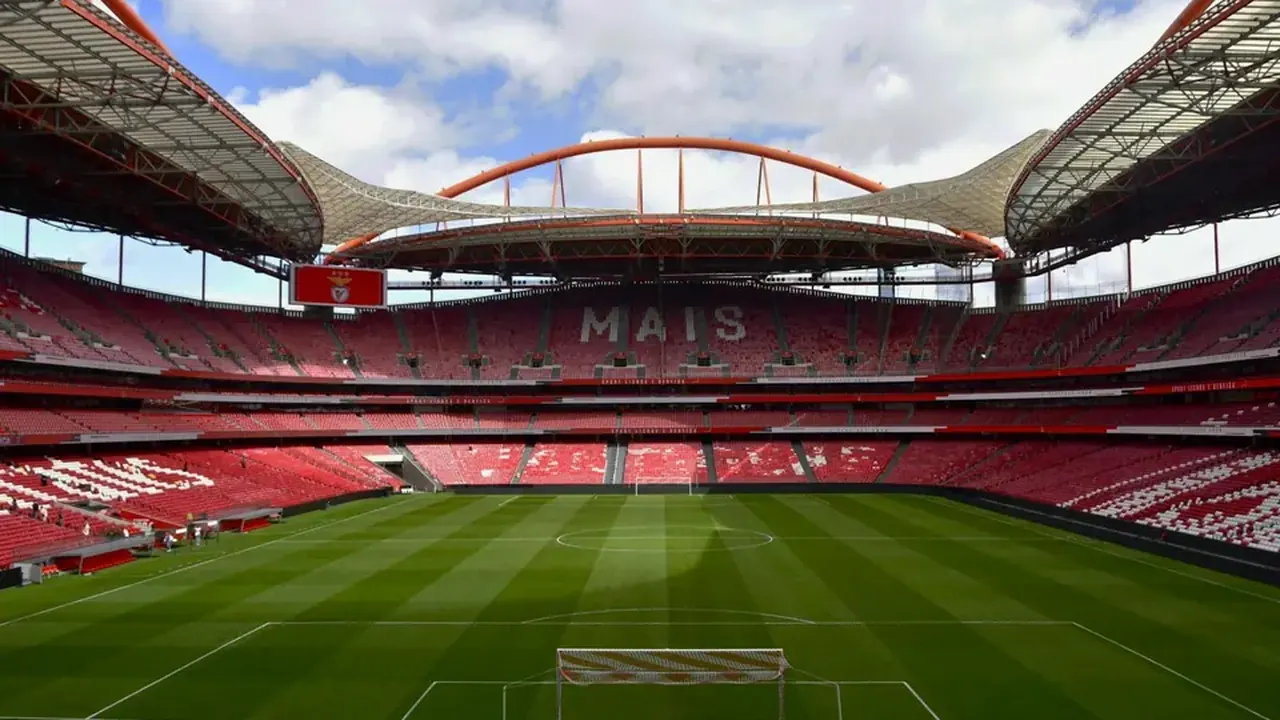
The Kop at Anfield has never been merely a stand of seats; it is a living archive of collective emotion, passed down through families like a sacred heirloom. For generations, Liverpool Football Club has woven itself into the fabric of Merseyside life, creating a tapestry of memories that transcend the ninety minutes on the pitch. This article gathers personal narratives from supporters across different eras, illustrating how the club’s identity has been shaped not only by trophies and tactics but by the intimate, often unspoken bonds between parents and children, friends and strangers, all united by the red shirt.
The Shankly Era: Foundations of a Faith
For supporters who came of age in the 1960s and 1970s, the name Bill Shankly evokes more than a manager; it represents the architect of a collective dream. One lifelong fan, Margaret from Bootle, recalls her first visit to Anfield in 1964, a time when the club was rebuilding its identity after decades in the second division.
“My father worked at the docks, and he saved for weeks to take me to the match against Leeds United,” she remembers. “The noise was something I had never experienced. It wasn’t just cheering; it was a roar that felt like it came from the ground itself. Shankly had given us hope, and that hope was tangible in the air. I remember him saying after the game, ‘This is the beginning of something great.’ He was right.”
This era established the core values that would define Liverpool for decades: relentless pressing, collective responsibility, and an unshakeable belief that the club belonged to the people. The bond between Shankly and the supporters was not transactional; it was a covenant. For many, those early years forged a loyalty that would survive the leaner times to come.
The European Nights: Triumph and Tragedy
The 1970s and 1980s brought unprecedented success, with Liverpool dominating English and European football. For supporter James, a retired teacher from Crosby, the 1977 European Cup final in Rome remains the defining moment of his youth.
“I was seventeen, and I had never been abroad,” he says. “We travelled by coach, and the journey took over twenty hours. When we arrived at the Stadio Olimpico, the entire city seemed to be painted red. The goal from Terry McDermott, the run from Steve Heighway—it was poetry. But what I remember most is the silence after the final whistle. Not a sad silence, but a moment of collective awe. We had done it. We had conquered Europe.”
Yet the same period also brought profound sorrow. The Heysel Stadium disaster in 1985 and the Hillsborough tragedy in 1989 cast long shadows over the club’s achievements. For supporter Anne, who lost a cousin at Hillsborough, the memory is both painful and instructive.
“The club’s response to Hillsborough taught me what community truly means,” she reflects. “The way the city came together, the fight for justice, the refusal to let the truth be buried—that is as much a part of Liverpool’s identity as any trophy. When I see the flags on the Kop today, I see not just celebration but remembrance. We carry those ninety-six with us every match.”

The Treble Season and the Istanbul Miracle
The early 2000s were a period of transition, but the 2000-01 season brought a treble of the League Cup, FA Cup, and UEFA Cup, rekindling the belief that Liverpool could compete at the highest level. For supporter David, a season-ticket holder since 1998, the 2001 FA Cup final against Arsenal was a masterclass in resilience.
“We were down 1-0 with ten minutes left, and Arsenal were playing some of the best football in the country,” he recalls. “Then Michael Owen scored twice in quick succession. I remember jumping so high I nearly fell over the seat in front. That game taught me never to give up, a lesson I have carried into my own life.”
But no memory rivals the 2005 Champions League final in Istanbul. For many supporters, the night of May 25, 2005, is a touchstone of emotional extremes. Supporter Liam, then a university student, describes the experience as a “collective hallucination.”
“At half-time, 3-0 down, I was already thinking about the journey home,” he admits. “But then the second half began, and something shifted. The goal from Gerrard, then Smicer, then Alonso’s penalty—I was screaming, crying, laughing. When Dudek made that double save against Shevchenko, I knew we were destined to win. The penalty shootout felt like a dream. To this day, I cannot watch the replay without tears in my eyes. It is not just a football match; it is a story about hope.”
The Klopp Transformation: Rebuilding the Dream
The arrival of Jürgen Klopp in 2015 marked a new chapter, one that resonated deeply with supporters who had endured the frustrations of the previous decade. The transformation under Klopp was not merely tactical; it was emotional. For a deeper analysis of how Klopp reshaped the club’s identity, readers may explore our dedicated article on the Klopp transformation.
Supporter Emma, who began attending matches with her father in the 1990s, describes the Klopp era as a return to the club’s core values.
“My father always talked about the Shankly years, about the feeling that the club was a family,” she says. “Under Klopp, that feeling returned. The way he celebrated with the fans after every goal, the way he understood the city’s culture—it was authentic. The 2019 Champions League final in Madrid was special because it felt like the culmination of a journey. When we won the Premier League in 2020, even without the fans in the stadium, the connection was still there. We celebrated in our gardens, on our streets. The club had brought us together again.”
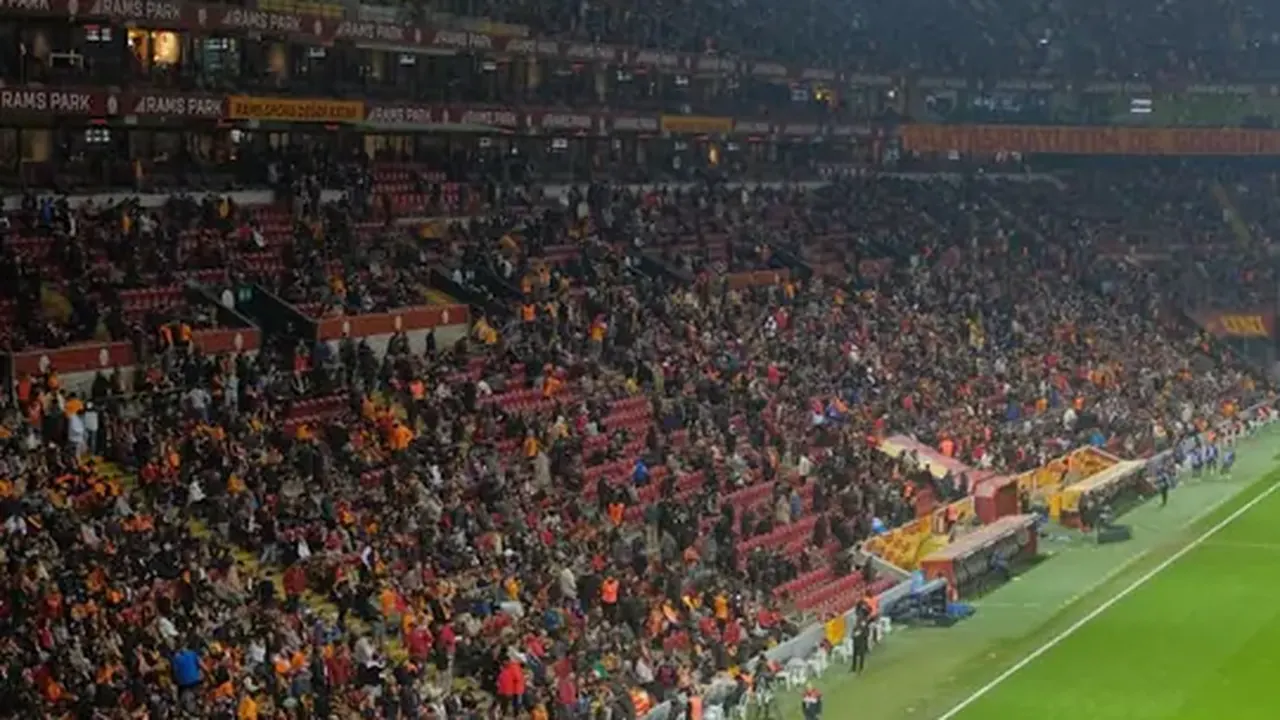
The 2019-20 title win, ending a thirty-year league drought, was particularly poignant for older supporters who remembered the dominance of the 1980s. For many, it was a moment of closure and renewal.
The Anfield Atmosphere: A Living Tradition
Beyond individual matches, the Anfield atmosphere itself is a recurring theme in supporter memories. The singing of “You’ll Never Walk Alone” before kick-off is often described as a spiritual experience. Supporter Tom, who has held a season ticket for over forty years, explains its significance.
“It is not just a song; it is a promise,” he says. “When the Kop starts singing, you feel the weight of history. You think of the players who have worn the shirt, the fans who have come before, the struggles and triumphs. It is a moment of unity that transcends the game. I have taken my grandson to Anfield, and when he heard the song for the first time, he looked at me with tears in his eyes. He understood, even at seven years old, that this was something special.”
This tradition is also reflected in the club’s broader culture, as explored in our history and culture hub, which examines how Liverpool’s identity has evolved over generations.
A Tapestry of Shared Experience
The memories of Liverpool supporters are not merely nostalgic; they are a living narrative that shapes the club’s present and future. From the terraces of the 1960s to the modern stands of today, the thread of loyalty, resilience, and community remains unbroken. For those who have witnessed the club’s journey, the stories are not just about football; they are about family, identity, and belonging.
The legacy of players like Roger Hunt, who embodied the spirit of the Shankly era, continues to inspire new generations. Readers interested in the history of the club’s greatest goalscorers may find our article on Roger Hunt’s record a valuable companion to this exploration of fan memories.
In the end, Liverpool Football Club exists not only in the record books but in the hearts of those who have filled Anfield with their voices. The memories shared here are a testament to the enduring power of a club that has always been more than a game.
Reader Comments (0)