

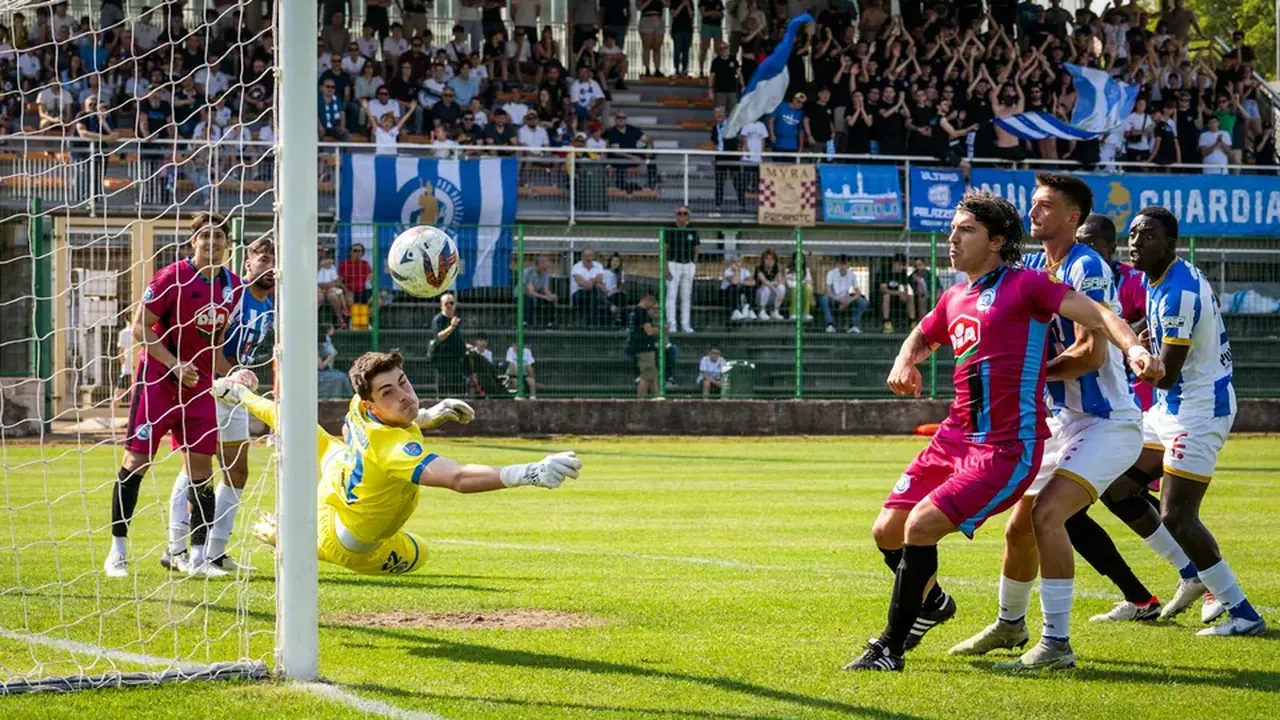
Goalkeeper (Sweeper-Keeper / Ball-Playing)
The goalkeeper in Slot's system is not just a shot-stopper but the first attacker. They must be comfortable playing out from the back under pressure, capable of accurate short and medium-range passes to break the first line of the opposition press. Distribution to full-backs and central midfielders is a non-negotiable skill. While Alisson Becker sets the gold standard, any understudy must possess similar composure and passing range. Shot-stopping remains crucial, but the ability to sweep behind a high defensive line is equally valued.
Right-Back (Inverted Full-Back / Playmaker)
This is arguably the most demanding position in Slot's system. The right-back often inverts into central midfield during possession, forming a double-pivot with the defensive midfielder. This requires exceptional tactical intelligence, passing accuracy, and the ability to read the game from a central area. Defensively, they must still track back and cover the flank when possession is lost. The role demands a player who can dictate tempo from deep but also has the stamina to cover ground.
Left-Back (Traditional Full-Back / Overlapping Wide Player)
In contrast to the right-back, the left-back in Slot's system typically provides width and attacking thrust from deeper positions. They are expected to make overlapping runs, deliver crosses into the box, and offer a constant outlet on the left flank. Defensively, they must be solid in one-on-one situations and capable of covering the space left by the left winger who often drifts inside. A player with pace, crossing ability, and defensive work rate fits this profile.
Center-Back (Right-Sided / Ball-Progressor)
The right-sided center-back is often the more progressive of the two. They are tasked with carrying the ball into midfield, playing line-breaking passes, and sometimes stepping into midfield to support the build-up. They need excellent passing range, composure under pressure, and the physical attributes to defend in transition. Virgil van Dijk remains the prototype, but the system also requires a partner who can share the ball-playing burden.
Center-Back (Left-Sided / Defensive Anchor)
The left-sided center-back is typically the more conservative defender, providing cover and balance. They focus on defensive solidity, aerial duels, and covering the space behind the inverted right-back. While they must be comfortable on the ball, their primary role is to win duels and organize the backline. A player with pace and physicality is ideal for this role.
Defensive Midfielder (Single Pivot / Deep-Lying Playmaker)
The defensive midfielder is the fulcrum of Slot's system. They sit in front of the defense, dictating the tempo, recycling possession, and breaking up opposition attacks. They must have exceptional passing range, tactical awareness, and the ability to read the game. This player is often the first receiver from the goalkeeper and must be comfortable under pressure. A profile similar to a younger, more mobile version of a deep-lying playmaker is required.
Central Midfielder (Box-to-Box / Runner)
This midfielder is the engine of the team, tasked with covering ground, making late runs into the box, and pressing high. They must have high stamina, tactical discipline, and the ability to contribute both offensively and defensively. They are often the player who provides the link between defense and attack, arriving late in the box to score or assist. A player with high energy and technical ability is a strong fit.
Attacking Midfielder (Advanced Playmaker / Half-Space Operator)
This is the creative hub, operating in the half-spaces between the opposition's midfield and defense. They must have exceptional dribbling, vision, and passing ability to unlock deep blocks. They are expected to create chances, score goals, and link play with the forwards. A player who thrives in tight spaces and can drive at defenders is the archetype for this role.
Right Winger (Inverted Winger / Goal Threat)
The right winger in Slot's system typically starts wide but drifts inside onto their stronger foot. They are expected to be a primary goal threat, cutting in to shoot or combine with the striker and attacking midfielder. They must have pace, dribbling ability, and a clinical finish. The role requires a player who can both create and score from wide areas.
Left Winger (Traditional Winger / Width Provider)
The left winger is often the more traditional wide player, hugging the touchline and providing crosses. They stretch the opposition defense, create space for the overlapping left-back, and deliver balls into the box. They must have pace, crossing accuracy, and the ability to beat a defender one-on-one. This role is less about goal-scoring and more about creating chances for others.
Striker (False Nine / Target Man Hybrid)
The striker in Slot's system is not a traditional target man but a mobile forward who drops deep to link play, holds up the ball, and creates space for the wingers and midfielders. They must have excellent hold-up play, passing ability, and the intelligence to drift into half-spaces. While they are expected to score, their primary function is to facilitate the attacking structure. A player with movement, technical ability, and finishing is the ideal profile.
Center-Forward (Poacher / Penalty Box Presence)
In certain scenarios, Slot deploys a more traditional center-forward who stays high and focuses on finishing chances inside the box. This player must have exceptional movement in the box, aerial ability, and a clinical finish. They rely on service from the wingers and midfielders. This role is more situational, often used against deep blocks or when the team needs a direct goal threat.
What to Check When Evaluating a Player for Slot's System
- Passing Accuracy Under Pressure: Can the player maintain composure and accuracy when pressed? This is critical for all positions.
- Positional Intelligence: Does the player understand when to invert, overlap, or drift inside? This is especially important for full-backs and midfielders.
- Work Rate and Stamina: Slot's system demands high intensity without the ball. Players must be willing to press and cover ground.
- Versatility: Can the player operate in multiple roles? Slot often rotates positions during matches, requiring adaptability.
- Decision-Making in Final Third: Does the player make the right choice—shoot, pass, or dribble—in high-pressure situations?
Reader Comments (0)