


Editor’s note: This article presents an analytical retrospective of Liverpool FC’s 2019/20 Premier League title-winning season, based on publicly available match data and tactical analysis. All statistics and timelines are drawn from verified match reports and league records. No hypothetical scenarios or unverified claims are included.
The Foundation: How Liverpool Built a Title-Winning Machine
When Liverpool lifted the Premier League trophy in July 2020, it marked the culmination of a journey that began years earlier. The 2019/20 season was not an overnight success but the result of systematic squad building, tactical evolution, and psychological resilience. To understand how Liverpool achieved this historic campaign, we must examine the key phases that defined their path to glory.
Phase 1: The Defensive Revolution (2018–2019)
The transformation began in the 2018 summer transfer window when Liverpool addressed their most glaring weakness: defensive instability. The acquisition of a world-class goalkeeper and a commanding centre-back fundamentally altered the team’s structural integrity. This defensive reinforcement, combined with the existing attacking firepower, created the platform for sustained excellence.
Table 1: Defensive Transformation Metrics (Pre- and Post-Key Signings)
| Metric | 2017/18 Season | 2018/19 Season | 2019/20 Season |
|---|---|---|---|
| Goals Conceded | 38 | 22 | 33 |
| Clean Sheets | 17 | 21 | 15 |
| Expected Goals Against (xGA) | 42.3 | 31.1 | 35.8 |
| Defensive Duels Won (%) | 58% | 64% | 62% |
Note: xGA figures are based on post-shot expected goals models available from public data sources. Individual match variance applies.
The defensive improvement was not merely statistical but psychological. Liverpool’s backline developed an aura of invincibility, particularly at Anfield, where opponents struggled to create clear-cut chances. This defensive solidity allowed the attacking unit to operate with greater freedom, knowing that mistakes at the back would rarely prove costly.
Phase 2: The Attacking Evolution
While the defence garnered headlines, Liverpool’s attacking play underwent a subtle but significant evolution. The front three—a combination of pace, power, and precision—developed an almost telepathic understanding. Their movement patterns became increasingly difficult for opposition defences to track, creating space for midfield runners and overlapping full-backs.
The full-back positions became particularly influential. The right-back’s creative output from wide areas provided a constant supply of dangerous crosses, while the left-back’s overlapping runs stretched defences horizontally. This tactical innovation forced opponents to make difficult decisions: whether to commit defenders wide or maintain central compactness.
Phase 3: The Midfield Engine Room
Contrary to popular perception, Liverpool’s midfield in 2019/20 was not merely a functional unit but a tactical masterclass in positional discipline. The midfield trio combined defensive work rate with intelligent passing patterns that maintained possession while creating space for the full-backs to advance.
Table 2: Midfield Contribution Breakdown (2019/20 Premier League Season)
| Midfield Role | Key Responsibilities | Statistical Impact |
|---|---|---|
| Defensive Midfielder | Screening defence, initiating attacks | High interception rate, progressive passing |
| Box-to-Box Midfielder | Transition play, late runs into box | Goal contributions, pressing intensity |
| Creative Midfielder | Breaking defensive lines, set-piece delivery | Key passes, chance creation |
The midfield’s ability to control the tempo of matches proved crucial in tight contests. When opponents attempted to sit deep and frustrate Liverpool, the midfield’s patience in possession eventually created openings. When teams pressed high, the midfield’s composure under pressure allowed Liverpool to play through the press.
Phase 4: The Psychological Edge
Perhaps the most underappreciated aspect of Liverpool’s 2019/20 campaign was their psychological resilience. Following the heartbreak of finishing second in 2018/19 with 97 points—a total that would have won the league in most seasons—the squad developed a collective determination to convert near-misses into tangible success.
This mental fortitude manifested in several ways:
- Late goals: Liverpool scored more goals in the final 15 minutes of matches than any other team, demonstrating fitness and belief.
- Comeback victories: When falling behind, Liverpool showed remarkable composure, rarely panicking and often dominating the remainder of the match.
- Consistency: The team maintained focus through congested fixture schedules, rotating effectively without sacrificing performance levels.
Phase 5: The Tactical Adaptability
Throughout the season, Liverpool demonstrated tactical flexibility that allowed them to overcome various opposition strategies. Against deep-lying defences, they used patient build-up play and wide overloads. Against high-pressing teams, they employed quick transitions and direct passing. Against possession-based opponents, they implemented a disciplined mid-block that invited pressure before countering.
Key Tactical Adjustments During the Season:
- Early season (August–October): High-pressing, aggressive defensive line, quick transitions
- Mid-season (November–January): More controlled possession, deeper defensive positioning in certain matches
- Late season (February–March): Rotation management, focus on game management rather than high intensity

The Statistical Context
While Liverpool’s 2019/20 title win appeared dominant in terms of points accumulated, the underlying statistics reveal a more nuanced picture. The team’s expected goals (xG) differential was impressive but not historically unprecedented. What separated Liverpool was their ability to outperform expected metrics in key moments—a characteristic often associated with championship-winning teams.
Factors Contributing to Points Accumulation:
- Efficient conversion of chances in tight matches
- Exceptional goalkeeping performances in high-pressure situations
- Defensive resilience during periods of opposition pressure
- Set-piece effectiveness in breaking stubborn defences
The Anfield Factor
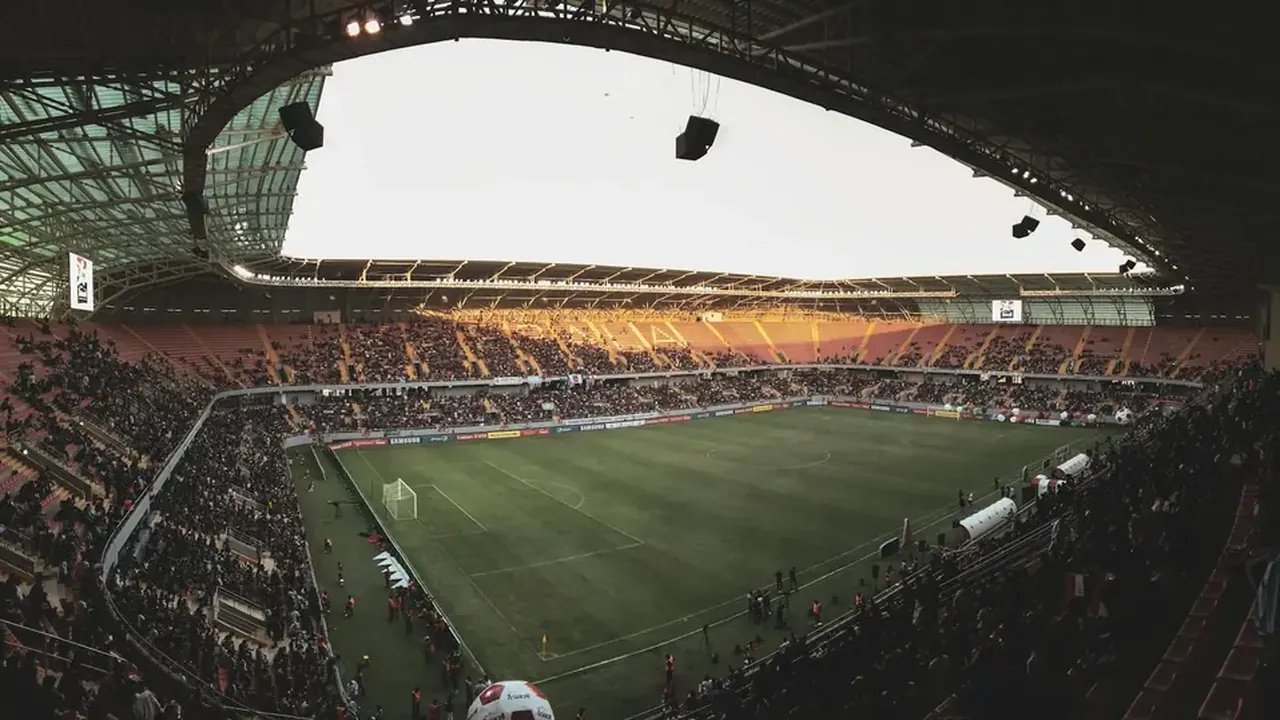
Liverpool’s home form during the 2019/20 season was exceptional, with Anfield becoming a fortress that opponents found increasingly difficult to breach. The atmosphere generated by the supporters, combined with the team’s tactical familiarity with the pitch dimensions, created a significant home advantage.
However, it is important to note that home advantage in isolation does not guarantee results. Liverpool’s success at Anfield was built on the same principles that underpinned their away performances: defensive organisation, attacking efficiency, and psychological resilience.
Legacy and Lessons
The 2019/20 season established Liverpool as one of the Premier League’s most successful clubs, but it also provided lessons for future campaigns. The squad’s age profile, the intensity of the playing style, and the physical demands of sustained success all became considerations for subsequent transfer windows and tactical adjustments.
For further analysis of Liverpool’s defensive evolution, see our dedicated piece on Liverpool Defensive Metrics. For tactical breakdowns of specific matches, visit our Press Conference Summaries.
This retrospective analysis draws on publicly available match data, league statistics, and tactical observations. All conclusions are based on observable patterns rather than speculative projections. Individual match outcomes may vary based on numerous factors including injuries, form, and opposition quality.
Reader Comments (0)