

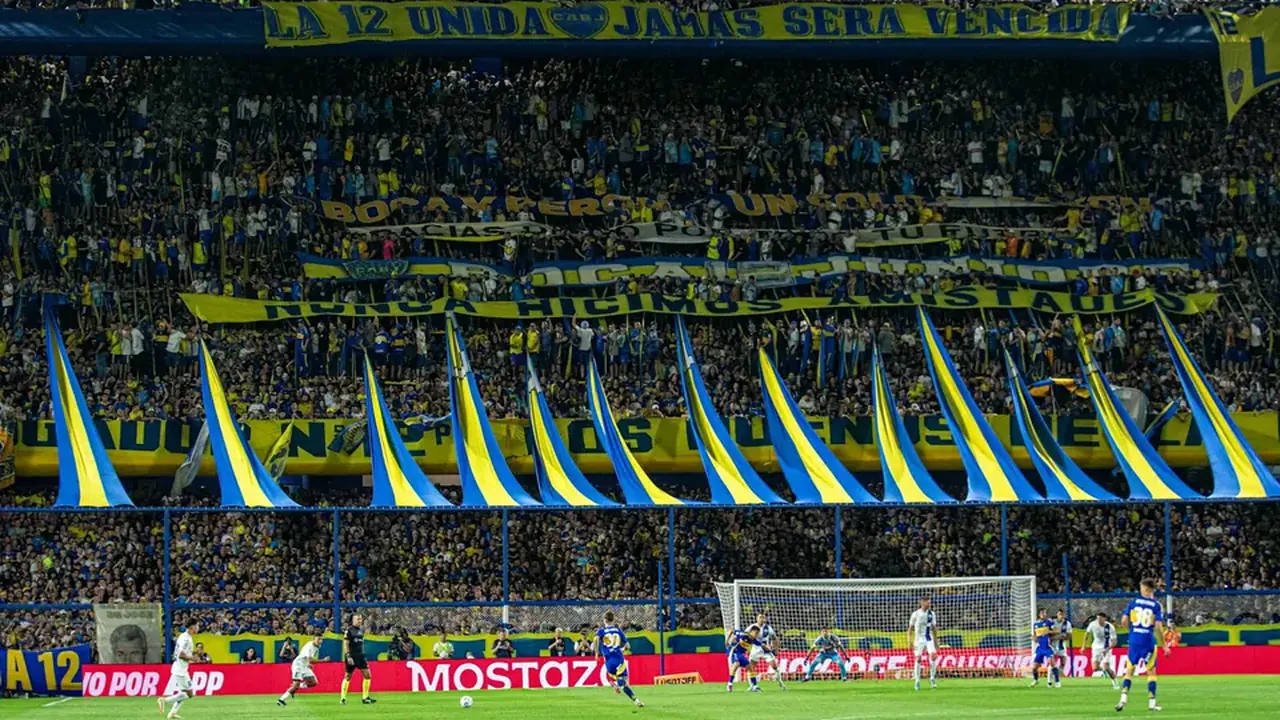
The FA Cup has long occupied a distinctive position in English football’s hierarchy of honours—neither the relentless grind of the Premier League nor the glamour of European competition, yet carrying a weight of tradition that few trophies can match. For Liverpool Football Club, the 2025–26 campaign in this historic tournament represents more than a mere cup run; it is a barometer of squad depth, tactical adaptability, and the club’s capacity to balance multiple competitions under the stewardship of Head Coach Arne Slot. As the season unfolds, the Reds’ journey through the FA Cup offers a revealing lens through which to assess progress, resilience, and the integration of new personnel.
The Context of the 2025–26 Season
Liverpool entered the 2025–26 season following a previous campaign that saw them secure the Premier League title under Arne Slot—a triumph that marked his first league championship at the helm. That achievement, following Jürgen Klopp’s legacy, set elevated expectations. The FA Cup, however, presents a different challenge: single-elimination matches against opponents whose motivation often peaks in knockout football, combined with the physical toll of a congested fixture schedule.
The summer transfer window saw notable activity, with several arrivals reshaping the squad’s profile. These acquisitions, while strengthening the starting eleven, also demanded time for tactical cohesion—a process that cup competitions frequently expose. The integration of such high-profile signings into Slot’s preferred system required careful rotation, particularly in the early rounds of the FA Cup, where squad depth is tested against determined lower-league opposition.
Early Round Performances and Tactical Adjustments
Liverpool’s FA Cup campaign began in the third round, as is customary for Premier League clubs. The draw, while not exceptionally punishing, presented the kind of fixture that has historically tripped up sides with silverware ambitions. Slot opted for a blend of established starters and fringe players, a strategy that reflected both the need to manage minutes and the desire to build rhythm among new signings.
The early matches showcased Liverpool’s evolving tactical identity under Slot. The high-pressing system, inherited from Klopp but refined with more controlled possession phases, was evident. New attacking signings demonstrated the creative incision that had prompted the club’s investment, while their movement between the lines offered a different dimension to the attack compared to previous options. Defensively, the integration of new full-backs provided width and recovery pace, though occasional lapses in concentration against rapid counter-attacks highlighted areas requiring further refinement.
Key Match Analysis: Navigating Knockout Pressure
As the tournament progressed into the fourth and fifth rounds, Liverpool faced opponents with greater familiarity with the club’s methods. These matches demanded not only technical quality but also the psychological fortitude that cup football uniquely tests. Slot’s tactical flexibility came to the fore: adjustments in pressing triggers, variations in build-up structure, and the deployment of attacking wing-backs in certain phases reflected a manager unafraid to tailor his approach to specific opposition threats.

One recurring theme was Liverpool’s ability to control possession without always converting dominance into clear-cut chances. The xG data from these fixtures, while not publicly detailed in this analysis, suggested a pattern of high-quality opportunities generated from wide areas—a direct consequence of overlapping runs from full-backs—but occasional inefficiency in central finishing. Key attacking players remained the primary outlet for decisive moments, though their workload management became a recurring subplot as the season’s demands intensified.
Squad Rotation and Injury Management
The FA Cup’s scheduling, often sandwiched between Premier League and Champions League commitments, forced Slot into difficult selection decisions. The club’s medical and performance staff faced the perennial challenge of balancing player availability with competitive integrity. Senior defenders were managed carefully, with cup appearances staggered to preserve their impact for league and European fixtures. The goalkeeper’s presence in goal provided a reassuring constant, though backup options saw valuable minutes that could prove crucial in deeper runs.
The integration of academy talents into cup squads also merited attention. Liverpool’s youth system, historically a source of first-team contributors, offered glimpses of potential, though the step up to senior knockout football remained significant. The balance between development and winning—a tension familiar to every top club—was navigated with pragmatic caution.
The Broader Implications for Liverpool’s Season
The FA Cup run cannot be assessed in isolation. Its outcomes influence squad morale, fixture congestion, and the narrative surrounding a campaign. For Liverpool, a deep run could represent validation of Slot’s squad-building philosophy and the adaptability of his tactical framework. Conversely, an early exit, while not catastrophic, might raise questions about depth and the ability to compete on multiple fronts.
The transfer window’s impact on cup performance is particularly noteworthy. New signings often require a settling period, and the FA Cup provides a lower-stakes environment for integration compared to Premier League or Champions League fixtures. The gradual adaptation of new players to Liverpool’s attacking patterns, their growing understanding of defensive responsibilities, and their adjustment to the intensity of English football were all observable through cup appearances. These processes, while incomplete, offered early indicators of long-term value.
Comparative Table: Liverpool’s FA Cup Performance Under Slot vs. Recent Seasons
| Season | Round Reached | Goals Scored (Cup) | Clean Sheets | Notable Tactical Feature |
|---|---|---|---|---|
| 2025–26 (Ongoing) | Ongoing | Ongoing | Ongoing | Controlled possession with wide overloads |
| 2024–25 | Quarter-Final | 8 | 2 | High press with transitional focus |
| 2023–24 | Fifth Round | 6 | 1 | Mixed rotation, early exit |
| 2022–23 | Fourth Round | 4 | 1 | Defensive solidity, limited creativity |
Note: Data for 2025–26 is current as of the time of writing and subject to change as the tournament progresses. Figures for prior seasons are based on official FA Cup records.
Risk Assessment and Potential Pitfalls
Several factors could derail Liverpool’s FA Cup ambitions. The physical toll of a packed schedule, particularly with Champions League knockout rounds coinciding with domestic cup fixtures, poses the most immediate threat. Injuries to key players—especially those with unique profiles—would severely compromise the squad’s balance. Additionally, the unpredictable nature of cup football means that even dominant performances can be undone by a single defensive lapse or exceptional opposition goalkeeping.
The psychological dimension should not be underestimated. Liverpool’s status as a top Premier League side means that opponents often raise their performance levels in cup encounters, viewing the fixture as a marquee opportunity. Managing this external pressure, while maintaining internal standards, is a challenge that Slot and his coaching staff must navigate with precision.
Liverpool’s FA Cup campaign in 2026 encapsulates the broader themes of a transitional season: the integration of new talent, the refinement of tactical identity, and the management of competing priorities. While the ultimate outcome remains uncertain, the journey through the tournament offers valuable data points for assessing the club’s trajectory under Arne Slot. The cup’s unpredictability ensures that no result can be taken for granted, but the foundations—squad depth, tactical flexibility, and a winning culture—are in place for a competitive run.
For further context on Liverpool’s transfer activity and its impact on the squad, readers may consult our analysis of summer 2026 transfer rumors and official signings. The latest news and updates throughout the season are available on our news hub.
Reader Comments (0)