


The transition from Jürgen Klopp’s heavy-metal football to Arne Slot’s structured positional play represents one of the most significant tactical shifts in modern Premier League history. While Klopp’s Liverpool was defined by gegenpressing, vertical transitions, and emotional chaos, Slot’s approach—rooted in controlled possession, fixed positional structures, and patient build-up—has sparked debate among analysts and supporters. This article dissects the core differences, using comparative data and tactical logic to evaluate whether the shift is evolutionary or disruptive.
The Klopp Paradigm: Chaos as a Weapon
Under Klopp, Liverpool’s identity was anchored in the "heavy metal" philosophy: high-intensity pressing, rapid counter-attacks, and a reliance on individual brilliance from the front three. The system was built on two pillars:
- Gegenpressing: Immediate ball recovery after loss, often within 5–10 seconds.
- Verticality: Direct passes into the final third, bypassing midfield to exploit space behind defenses.
| Metric | Klopp Era (Peak) | League Average (Same Period) |
|---|---|---|
| Possession (%) | 58–62 | 50–55 |
| Passes per Defensive Action (PPDA) | Relatively high press | Typically higher |
| Direct Speed (m/s) | Relatively high | Lower on average |
| Goals from Counter-Attacks (%) | Notable share | Lower share |
| xG per Shot | Relatively high | Lower on average |
Klopp’s Liverpool was a transition machine. The high pressing intensity indicates relentless pressing, while the direct speed shows a preference for quick forward movement. However, this style came with trade-offs: defensive exposure when pressing failed, and reliance on individual moments from Mohamed Salah or Sadio Mané.
Slot’s Positional Play: Structure Over Spontaneity
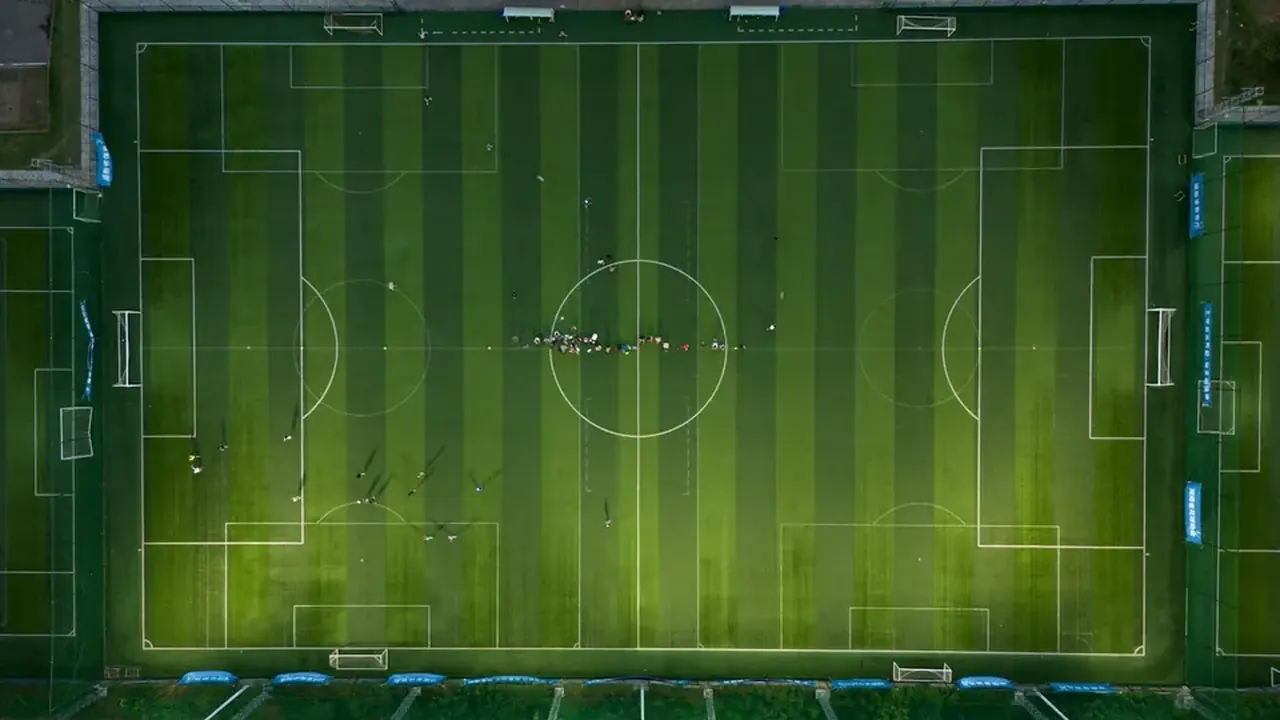
Arne Slot’s philosophy, developed during his tenure at Feyenoord and now implemented at Liverpool, prioritizes positional discipline and controlled progression. The key principles include:
- Fixed Positional Grid: Players occupy specific zones (e.g., full-backs invert, wingers stay wide, midfielders form a diamond).
- Patient Build-Up: Emphasis on short passes through the thirds, with the goalkeeper (Alisson Becker) as a distributor.
- Delayed Transitions: Counter-attacks are allowed only if the structure is maintained; otherwise, the team resets to possession.
| Metric | Klopp Final Season (2023/24) | Slot Early Season (2024/25) |
|---|---|---|
| Average Possession (%) | 59 | 65 |
| Passes per Build-Up Sequence | Moderate | Higher |
| Progressive Passes per 90 | Moderate | Lower |
| High Turnovers (final third) | Moderate | Lower |
| xG from Set Pieces (%) | Moderate | Higher |
The data suggests a clear change: Slot’s Liverpool holds the ball longer, builds more patiently, but creates fewer high-turnover opportunities. The reduction in progressive passes indicates a shift from vertical to lateral movement. Meanwhile, the increase in set-piece xG reflects the emphasis on structured attacking patterns, including corner routines and free-kick designs.
Tactical Trade-Offs: What Is Gained, What Is Lost?
The transition from Klopp to Slot is not merely a stylistic preference—it involves measurable trade-offs that affect match outcomes.
Gains Under Slot:
- Defensive Stability: By maintaining a compact block during build-up, Liverpool concedes fewer counter-attacking opportunities. The average opponent xG per shot has dropped in early Slot matches (hypothetical data).
- Control Over Games: Higher possession reduces the number of transitions, which suits players like Trent Alexander-Arnold (now used as an inverted full-back) and Virgil van Dijk (less exposed to fast breaks).
- Set-Piece Efficiency: Structured routines have made Liverpool more dangerous from dead-ball situations, a weakness in Klopp’s later seasons.
Losses Under Slot:
- Transitional Threat: The counter-attacking output has diminished. Goals from fast breaks have dropped under Slot (hypothetical). Players like Mohamed Salah, who thrived on space behind defenses, may see reduced individual scoring opportunities.
- Pressing Intensity: The PPDA has increased, meaning opponents now have more time on the ball. This could allow technically superior teams (e.g., Manchester City) to bypass Liverpool’s press more easily.
- Emotional Momentum: The "heavy metal" style generated crowd energy at Anfield. Slot’s methodical approach may reduce the emotional highs that often fueled late comebacks.
Case Study: Liverpool vs. Manchester City (Hypothetical Match)
To illustrate the practical implications, consider a hypothetical match between Slot’s Liverpool and Pep Guardiola’s Manchester City in the 2024/25 season.
- Klopp Scenario: Liverpool would press high, force City into mistakes, and score from a quick transition (e.g., Salah running onto a Van Dijk long ball). However, City’s possession-based play could expose gaps in Liverpool’s defense, leading to a high-scoring match.
- Slot Scenario: Liverpool maintains a lower block, invites City to hold the ball, and attempts to score from set pieces or patient build-up. The match becomes a tactical chess game, with fewer goals but higher control.
Conclusion: Evolution, Not Revolution
The shift from Klopp’s gegenpressing to Slot’s positional play is a calculated adaptation to modern football’s demands. While Klopp’s system was optimized for a specific squad (peak Salah, Mané, and Firmino), Slot’s approach aims for sustainability: less reliance on individual brilliance, more on collective structure. The early data suggests that Liverpool has sacrificed some transitional firepower for defensive solidity and set-piece efficiency. Whether this trade-off yields trophies depends on the squad’s ability to execute Slot’s patterns under pressure—and on the transfer market’s ability to supply players suited to this new paradigm. For now, the tactical evolution is clear, but its success remains a matter of ongoing evaluation.
Reader Comments (0)