


Few structures in world football carry the cultural weight of the Spion Kop at Anfield. Since its transformation into an all-seater terrace in 1994, the stand has retained its identity as the emotional epicentre of Liverpool Football Club. Yet the story of the Kop extends far beyond the modern era of Premier League broadcasts and UEFA Champions League anthems. It is a narrative woven into the fabric of the city of Liverpool itself, reflecting social history, architectural evolution, and the unique relationship between a club and its supporters.
The origins of the name "Kop" are rooted in military history. During the Second Boer War, the Battle of Spion Kop in January 1900 claimed the lives of hundreds of British soldiers, many from Lancashire regiments. When Liverpool FC expanded its stadium in 1906, the newly raised bank of earth behind the goal was christened in memory of that conflict. The name resonated deeply with a working-class community that understood sacrifice and solidarity. What began as a simple grass bank soon became a symbol of collective identity.
The Rise of the Terrace Era
The early decades of the twentieth century saw the Kop evolve from a standing area into a legendary institution. By the 1920s, the stand could accommodate approximately 28,000 spectators, all standing shoulder to shoulder. The atmosphere generated by this density of supporters became the stuff of folklore. Visiting players and managers frequently remarked on the intimidating wall of noise that greeted them.
The Kop’s reputation was not merely about volume. It was about wit, humour, and an almost telepathic understanding of the game. The famous "Kop Choir" would sing for the entire ninety minutes, often breaking into spontaneous renditions of popular songs adapted to celebrate their heroes. The terrace became a stage for working-class expression, where the pressures of industrial life were momentarily suspended in favour of collective joy and hope.
During the 1960s and 1970s, under the management of Bill Shankly and later Bob Paisley, the Kop reached its zenith. The stand became synonymous with Liverpool’s domestic and European dominance. The famous "You’ll Never Walk Alone," adopted from the musical Carousel, became the club’s anthem, echoing from the Kop before every match. The stand’s influence extended beyond the stadium; it shaped the club’s identity as a community institution.
The Architecture of Emotion
The physical structure of the Kop underwent several transformations. The original bank of earth was replaced by a concrete terrace in 1928, increasing capacity to over 30,000. A roof was added in 1963, improving acoustics and shelter. However, the most significant change occurred in the aftermath of the Hillsborough disaster in 1989. The Taylor Report mandated that all top-flight stadiums convert to all-seater configurations by 1994.
The new Kop, completed in 1994, reduced capacity to approximately 12,000 seats. Many feared the unique atmosphere would be lost. Yet the design preserved the steep gradient of the original terrace, ensuring that fans remained close to the pitch and to each other. The acoustics, while different, retained the ability to generate formidable noise. The Kop remained the spiritual home of Liverpool supporters.
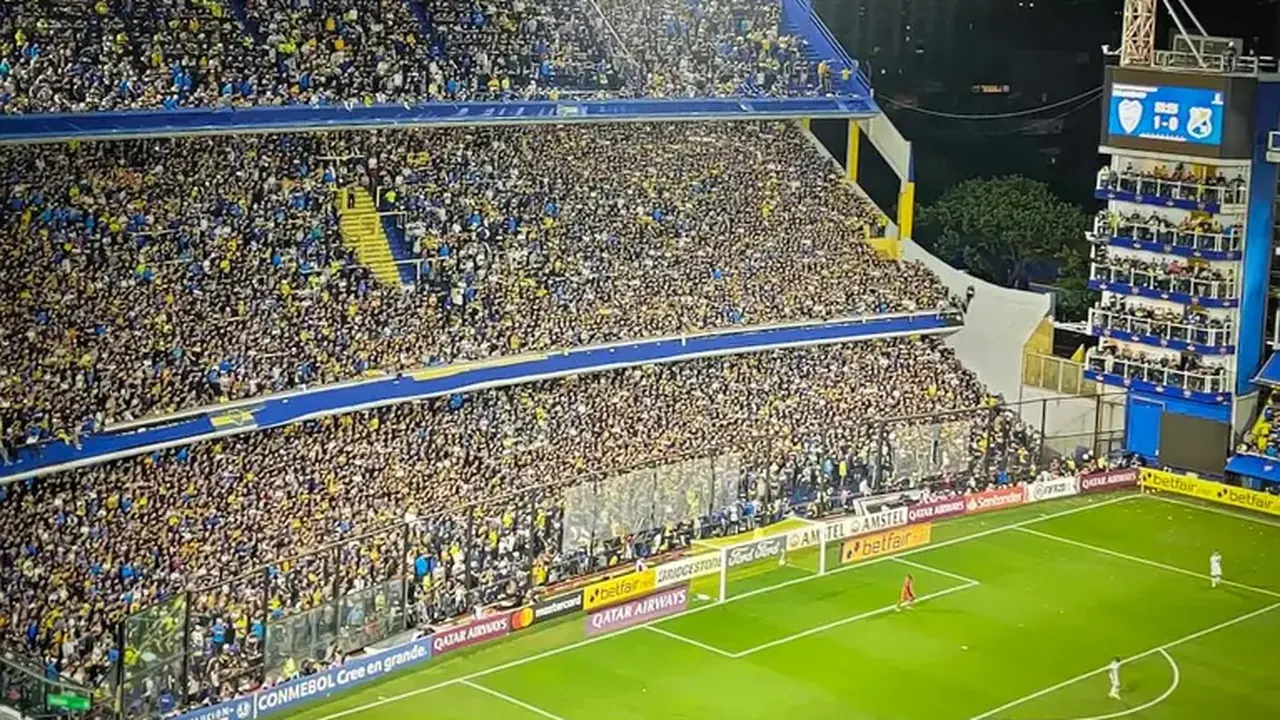
In 2016, the club undertook a major expansion of the Main Stand, increasing Anfield’s overall capacity to over 54,000. The Kop itself remained largely untouched, a deliberate decision to preserve its historical character. The stand’s red seats, the famous "Kop" lettering, and the flags and banners that adorn its upper tiers continue to create a visual spectacle that rivals any in world football.
The Kop in the Modern Era
The transition from terrace to all-seater did not diminish the Kop’s significance. If anything, it reinforced its role as a bastion of tradition in an increasingly commercialised sport. The Kop remains the section where the most vocal and dedicated supporters gather. It is where the flags of the Liverpool Supporters’ Union, Spirit of Shankly, are displayed. It is where the minutes of silence are observed with profound respect.
The atmosphere generated by the Kop has been credited with influencing match outcomes. Opponents often cite the intensity of the Anfield crowd as a factor in their performances. The Kop’s ability to raise the team’s energy levels, particularly during European nights, is legendary. The famous "Anfield roar" that precedes kick-off is a phenomenon that has been studied by sports psychologists and journalists alike.
The stand also serves as a repository of collective memory. The Hillsborough memorial, located outside the stadium, is a constant reminder of the 96 fans who lost their lives. The Kop’s banners often commemorate anniversaries of significant events, from title wins to European triumphs. The stand is not merely a place to watch football; it is a living museum of the club’s history.
The Kop and Club Identity
The relationship between the Kop and Liverpool Football Club is symbiotic. The stand has influenced the club’s playing philosophy. Managers have often spoken about the need to play football that suits the Kop’s expectations—attacking, passionate, and relentless. The famous "pass and move" style that defined Liverpool’s golden era was as much a product of the Kop’s demands as of Shankly’s coaching.
The Kop has also been a platform for social commentary. During the 1980s, the stand was a site of political expression, with banners supporting the miners’ strike and other working-class causes. In recent years, the Kop has been at the forefront of campaigns against ticket price increases and for improved fan representation. The stand embodies the club’s ethos that football belongs to the community.

The stand’s influence extends to the club’s commercial operations. The Kop is a central feature of the Anfield stadium tour, attracting visitors from around the world. The iconic image of the Kop in full voice is used in marketing materials, documentaries, and broadcasts. It is a brand asset that cannot be replicated.
The Future of the Kop
As Anfield continues to evolve, the future of the Kop remains a topic of considerable debate. The club’s ownership, Fenway Sports Group, has explored further stadium expansion, including the possibility of increasing the capacity of the Anfield Road End. However, the Kop itself is unlikely to undergo significant change. Its status as a listed structure and its cultural importance make preservation the most likely outcome.
The challenge for the club is to balance tradition with modernity. The Kop must remain accessible to the supporters who create its atmosphere. The introduction of safe standing sections in some Premier League stadiums has reignited discussion about whether the Kop could accommodate a hybrid model. However, any changes would need to respect the stand’s unique character and the memories it holds.
The Kop’s legacy is secure. It has witnessed the greatest triumphs in Liverpool’s history, from the first league title in 1901 to the Champions League victories in Istanbul in 2005 and Madrid in 2019. It has also shared the club’s darkest moments, including the tragedies of Heysel and Hillsborough. Through it all, the Kop has remained a constant, a symbol of resilience and passion.
The Kop is more than a stand. It is a living archive of Liverpool Football Club’s journey. Its history reflects the social and cultural evolution of the city, the transformation of football as a sport, and the enduring bond between a club and its supporters. While the structure has changed over the decades, its essence remains unchanged. The Kop continues to roar, to sing, and to inspire. For anyone who has stood within its confines, the experience is unforgettable. For those who have not, the legend endures as a testament to what football can be when community and club become one.
For further exploration of Liverpool’s rich heritage, readers may find value in examining the club’s broader history and culture, the stories of legendary figures who defined eras, and the iconic seasons that shaped the club’s identity.
Reader Comments (0)