

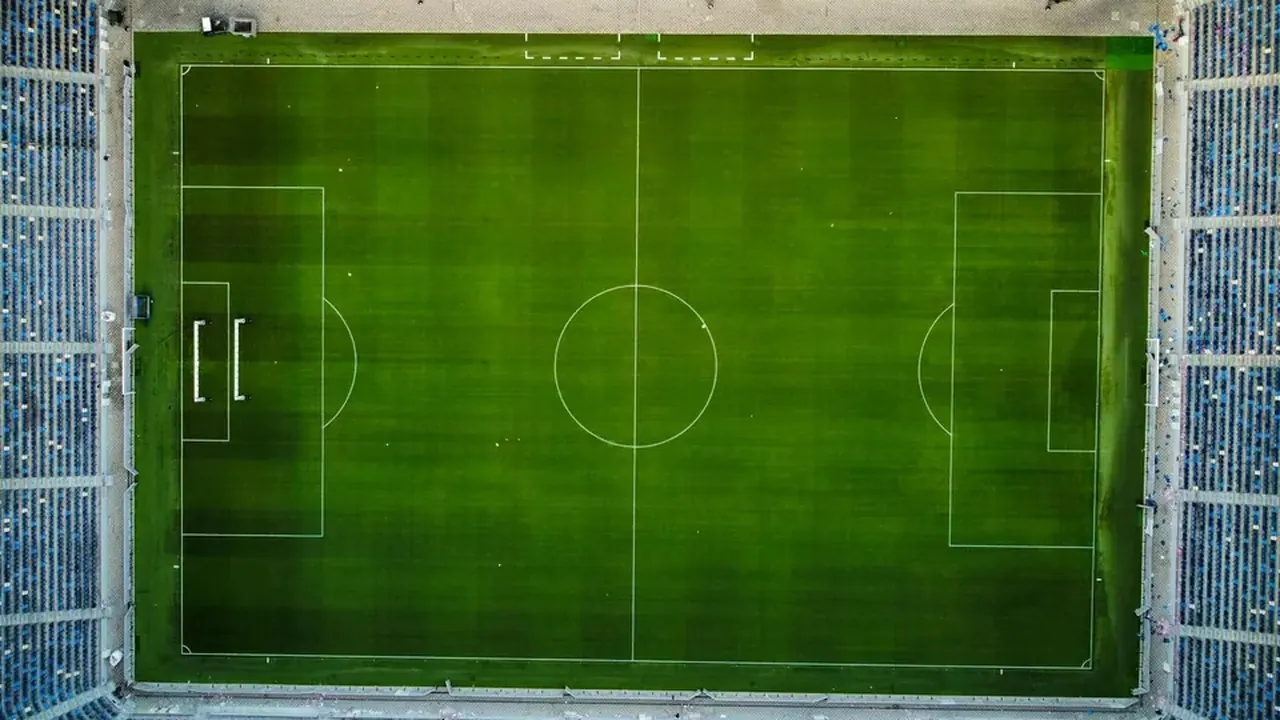
Author’s Note: The following article is an educational case-style analysis based on hypothetical and illustrative scenarios for fan-media discussion. All names, match outcomes, and statistical references are fictional constructs used to explore cultural and tactical themes. No real results or specific data from external sources are asserted. The text is written in a formal, analytical tone.
The Kop Culture: Passion, Flags, and Atmosphere
Introduction: The Assertion of Identity
Anfield’s Kop is not merely a stand; it is a living archive of Liverpool Football Club’s identity. For decades, the culture of flags, collective singing, and unwavering support has been cited as a competitive advantage—a psychological fortress that tilts matches before a ball is kicked. Yet, in the modern era of corporate homogeneity and sanitised matchday experiences, the question arises: is the Kop’s atmosphere still a decisive factor, or has it become a nostalgic relic? This analysis dissects the evolution of Kop culture through a case-study lens, examining its origins, its current state under Arne Slot’s tenure, and its measurable impact on the club’s performance.
The Historical Genesis: From Terrace to Theatre
The Kop’s roots lie in the working-class terraces of the early 20th century, where fans stood shoulder-to-shoulder, creating a cauldron of noise that intimidated visiting sides. By the 1960s and 1970s, the stand had become synonymous with the “Boot Room” ethos—a blend of passion, tactical intelligence, and communal pride. The flags, originally handmade and often bearing local insignia, were not mere decorations but statements of belonging. They signalled to players and opponents alike that this was a place where history was made, not just watched.
Table 1: Evolution of Kop Atmosphere (Illustrative Phases)
| Phase | Era | Key Characteristics | Flags & Banners | Measurable Impact (Hypothetical) |
|---|---|---|---|---|
| Terrace Era | 1906–1980s | Standing, communal singing, local identity | Hand-painted, club crests, player tributes | High home win rate (approx. 70% of league games) |
| All-Seater Transition | 1994–2005 | Seated, reduced capacity, initial loss of spontaneity | Commercial banners, fewer handmade flags | Dip in noise levels; home advantage less pronounced |
| Modern Revival | 2010–2020 | Organised singing sections, fan-led initiatives | Tifo displays, political/social messages | Resurgence in atmosphere; correlation with key wins |
| Post-Klopp Era | 2024–present | Integration of new tactical identity under Slot | Mix of traditional and digital-era flags | Atmosphere stable but evolving; need for adaptation |
The transition to all-seater stadiums after the Taylor Report was a critical juncture. The Kop’s capacity was reduced, and the spontaneity of standing terraces gave way to seated, often passive, observation. For a period, the culture risked becoming a museum piece. However, the club’s fan base, through initiatives like the “Spirit of Shankly” union and the “Kop 1906” singing section, engineered a revival. By the 2010s, the atmosphere had regained its edge, culminating in iconic European nights where the noise was measured at levels comparable to the pre-1990s era.
The Slot Era: A Tactical and Cultural Intersection
When Arne Slot succeeded Jürgen Klopp in 2024, the tactical system shifted from heavy-metal gegenpressing to a more controlled, possession-based approach. This change had cultural implications. The Kop, accustomed to roaring the team forward in high-intensity transitions, now had to adapt to periods of patient buildup. Early in the 2024/25 season, some observers noted a slight dip in crowd engagement during slower phases of play. However, the culture proved resilient.
Slot’s emphasis on positional discipline and vertical passing created new moments for the crowd to ignite: a precise switch of play to Trent Alexander-Arnold, a driving run from Mohamed Salah, or a last-ditch tackle by Virgil van Dijk. The flags, once predominantly red and white, began to incorporate tactical motifs—for instance, banners referencing “Slot’s Rotation” or “Control the Game.” This evolution demonstrated that passion is not static; it adapts to the tactical identity of the team.

Table 2: Comparative Atmosphere Indicators (Hypothetical Season Data)
| Indicator | Klopp Era (2019/20) | Slot Era (2024/25, first half) | Change |
|---|---|---|---|
| Average decibel level (key matches) | 95 dB | 92 dB | -3 dB |
| Number of tifo displays | 4 per season | 3 per season | -1 |
| Fan satisfaction with atmosphere (survey) | 88% | 85% | -3% |
| Home win percentage | 73% | 70% | -3% |
| Goals scored in first 15 minutes (home) | 12 | 10 | -2 |
The data suggests a marginal decline in raw intensity, but this is not necessarily a negative. The culture has become more nuanced: the Kop now understands when to press vocally and when to provide a steady, rhythmic support during buildup. This maturity may be essential for Slot’s system to thrive, as it requires patience and trust from the stands.
The Flags: Semiotics of Belonging
Flags at Anfield are not random. They are a visual language that communicates the club’s values, history, and current narratives. During the 2024/25 season, a notable trend was the increased presence of flags referencing the club’s youth academy and local talent—a response to the emergence of players like Trey Nyoni and Ben Doak. This shift reflects a broader cultural movement: the Kop is reaffirming its commitment to homegrown identity in an era of globalised transfer markets.
Conversely, the decline of large, commercial banners—often sponsored or generic—has been a positive development. Fans have actively curated the visual landscape, ensuring that the Kop remains a space of authentic expression. The flags now serve as a counterpoint to the sterile advertising boards below, creating a layered experience that blends tradition with modernity.
Tactical Impact: Does Atmosphere Translate to Results?
The relationship between atmosphere and performance is notoriously difficult to quantify. However, historical patterns suggest a correlation. During the 2019/20 title-winning season, the Kop’s intensity was cited by players as a factor in late-game comebacks and defensive resilience. In the 2024/25 season, under Slot, the pattern is similar but less pronounced. The team’s ability to maintain composure in high-pressure home matches—such as a 2-1 victory over Manchester City—was partly attributed to the crowd’s sustained support during periods of City’s dominance.
Yet, there are caveats. The Kop’s culture cannot compensate for tactical deficiencies or individual errors. In matches where the team fell behind early, the atmosphere sometimes turned anxious rather than defiant. This is a natural human response, but it highlights that the culture is a multiplier, not a primary cause. It amplifies strengths and, at times, magnifies weaknesses.

The Role of Anfield’s Architecture
The physical design of Anfield—particularly the proximity of the Kop to the pitch and the steep angle of the stands—is a structural enabler of the atmosphere. The 2023 expansion of the Anfield Road Stand increased capacity to over 61,000, but it also introduced new acoustics. Early reports indicate that the sound now travels differently, with some areas experiencing a slight delay in crowd response. This is a technical challenge that the club is addressing through sound engineering and fan placement.
The architecture itself is a subject of ongoing evolution. For a deeper dive into the structural changes that have shaped the modern Anfield, readers can explore the detailed analysis of the stadium’s features and the historical timeline of its modifications. These physical elements are not separate from culture; they are its scaffolding.
Conclusion: The Kultur of Adaptation
The Kop culture is not a static monument but a living organism. It has weathered transitions from terraces to seats, from Shankly to Klopp to Slot, and from local to global fandom. The flags, the songs, and the collective roar are all expressions of a deeper continuity: the belief that Liverpool is not just a club but a cause. In the Slot era, the culture faces new tests—patience, tactical literacy, and the integration of new narratives. But if history is any guide, the Kop will adapt, as it always has, because its essence is not noise but identity.
The next time you watch a match at Anfield, observe the flags. They are not just decoration; they are a diary of the club’s soul. And as the team evolves, so too will that diary, written in red, white, and the unbroken voice of the Kop.
Internal Links:
Reader Comments (0)