


Disclaimer: The following article presents a hypothetical educational case study designed to illustrate the dynamics of agent relationships in football transfer negotiations. All scenarios, names of agents (unless publicly known), and specific negotiation details are fictional or constructed for analytical purposes. They do not represent confirmed real-world events or the official position of Liverpool Football Club.
Agent Relationships in Transfer Negotiations: Key Influencers
The modern football transfer window is no longer a simple transaction between two clubs. It is a complex, multi-layered negotiation ecosystem where the influence of player agents, intermediaries, and family advisors can determine the success or failure of a deal. For a club like Liverpool FC, operating under the data-driven, fiscally disciplined model established by Fenway Sports Group, understanding and managing these relationships is not a secondary skill—it is a core competency.
This case study dissects the anatomy of a high-profile transfer negotiation, focusing on the critical role of agent relationships. We will examine a hypothetical scenario involving Liverpool’s pursuit of a marquee attacking player, analyzing how the club’s strategy evolved based on the network of influencers surrounding the deal.
The Hypothetical Scenario: The Pursuit of “Player X”
To illustrate the dynamics, we construct a scenario where Liverpool identifies a top-tier attacking midfielder, “Player X,” as their primary target for the summer window. Player X is 24 years old, has three years left on his contract at a top Bundesliga club, and is represented by a prominent super-agent agency, “Elite Sports Management (ESM).”
The negotiation is not a straight line from bid to acceptance. It involves three distinct phases, each dominated by a different relationship dynamic.
Phase 1: The Direct Club-to-Club Approach (The “Cold” Path)
Liverpool’s initial strategy is to follow the traditional, direct route. The club’s Sporting Director contacts the Bundesliga club’s CEO directly, submitting a formal opening bid. This approach relies on the assumption that the selling club’s willingness to negotiate is the primary variable.
The Obstacle: The selling club rejects the bid outright, citing Player X’s importance to their project. However, behind the scenes, the selling club’s sporting director has a close personal relationship with an agent from a rival firm, “Global Football Advisors (GFA).” GFA is not Player X’s agent, but they represent a different player the selling club wants to sign. The selling club has a strategic incentive to delay the sale of Player X to secure their own incoming transfer first.
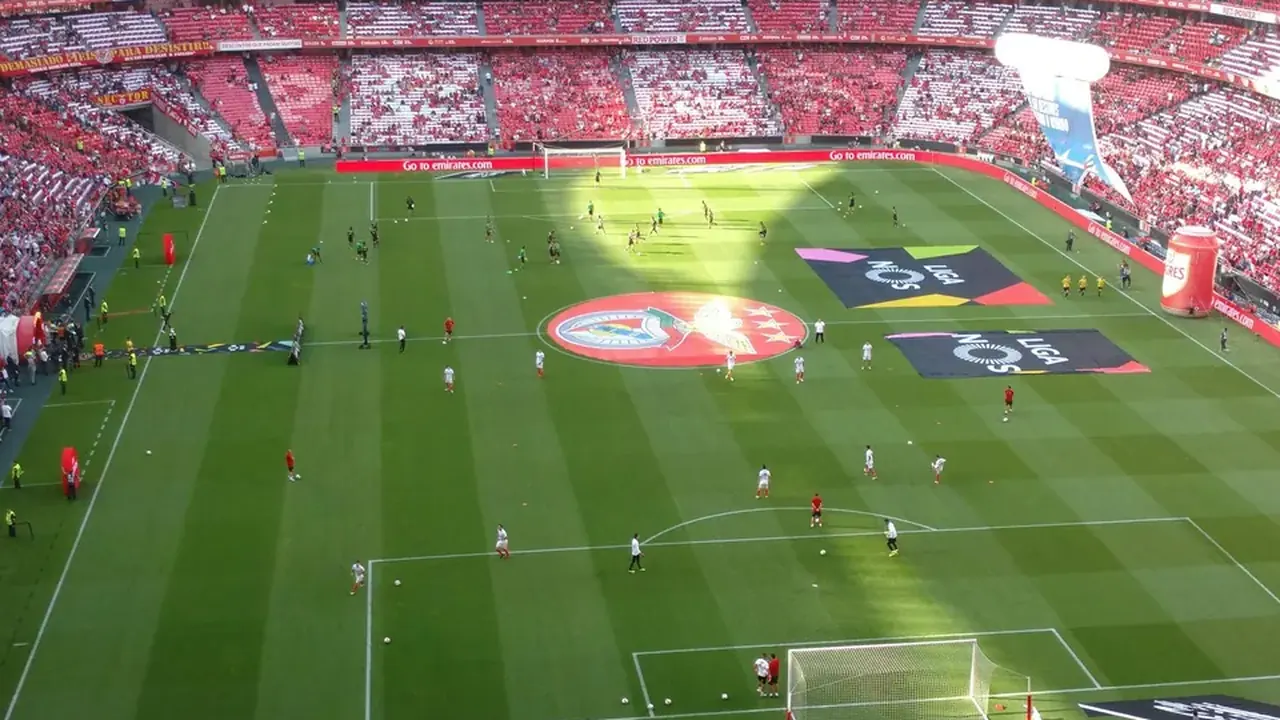
Key Insight: The “cold” path failed because Liverpool did not account for the secondary relationship between the selling club and a competing agency. The negotiation was not just about Player X; it was about a web of interconnected deals.
Phase 2: The Agent as Gatekeeper (The “Warm” Path)
Realizing the direct approach is stalling, Liverpool pivots. They activate their pre-existing relationship with Player X’s official agent, “Marcus Reed” of ESM. Reed has a strong, long-standing relationship with Liverpool’s Head of Recruitment, built over years of smaller youth-loan deals.
Reed provides crucial intelligence: Player X is interested in the move, but his father, a former amateur player, is skeptical of the Premier League and prefers a move to La Liga. This family dynamic is a critical influencer that the club’s data models cannot predict.
Liverpool’s strategy shifts from negotiating with the club to “selling” the project to the player’s family. The club arranges a private tour of the training facilities, a meeting with the Head Coach, and a detailed presentation on the player’s planned tactical role. This phase is mediated entirely by Marcus Reed, who acts as a translator between the club’s professional structure and the player’s personal concerns.
Key Insight: The agent’s value here was not in negotiating a fee, but in mapping the decision-making hierarchy. Without Reed’s insight into the father’s influence, Liverpool’s offer might have been rejected on personal grounds before the club even had a chance to present its sporting vision.
Phase 3: The Intermediary and the Final Push (The “Bridged” Path)
With the player now leaning towards Liverpool, the final hurdle is the transfer fee. The Bundesliga club is holding firm on a high valuation. This is where a third actor enters the scene: a well-connected football consultant, “Jean-Pierre Dubois,” who is not a licensed agent but has a strong reputation for breaking deadlocks.
Dubois is hired by the selling club to find a creative solution. He proposes a structure that Liverpool had not considered: a lower upfront fee, a high sell-on clause, and a future friendly match revenue share. This structure addresses the selling club’s immediate financial needs while giving them a stake in Player X’s future success.
Liverpool, guided by their data analytics team, calculates the Net Present Value (NPV) of this structure and finds it favorable compared to their initial offer. The deal is agreed. Dubois’s role was not to represent a party, but to bridge the gap in valuation by introducing a novel commercial framework.
Comparative Analysis of Influence Stages
The following table summarizes the effectiveness and risk associated with each phase of the negotiation.
| Phase | Primary Actor | Key Relationship | Primary Function | Outcome & Risk |
|---|---|---|---|---|
| 1. Direct Club-to-Club | Sporting Director (LFC) / CEO (Selling Club) | Formal, transactional | Establish valuation baseline | Outcome: Failed. Risk: Ignored agent network; stalled by rival agency’s influence. |
| 2. Agent as Gatekeeper | Marcus Reed (ESM) / LFC Head of Recruitment | Long-term, trust-based | Map player’s personal decision-making | Outcome: Success. Risk: Over-reliance on one agent’s narrative; potential for misinformation. |
| 3. Intermediary Bridge | Jean-Pierre Dubois (Consultant) / Both Clubs | Creative, problem-solving | Structure novel payment terms | Outcome: Success. Risk: Increased deal complexity; higher transaction costs (consultant fees). |
Conclusion: The Network as the Asset
This case demonstrates that a successful transfer for a club like Liverpool is less about winning a bidding war and more about navigating a network of influence. The club’s ability to:
- Identify the true decision-makers (the player’s father, a rival agent).
- Leverage existing trust-based relationships (with Marcus Reed).
- Adapt to novel commercial structures (via Jean-Pierre Dubois).
For further analysis on how these strategies play out in practice, see our breakdown of the transfer window deadline day strategy and the broader transfers analysis hub. The effectiveness of any signing, of course, must eventually be measured on the pitch, as explored in our piece on Liverpool’s xG underperformance.
Reader Comments (0)