


Introduction: A Stadium That Tells Liverpool's Story
If you've ever stood in the Anfield Road End during a Champions League night, you've felt it—that vibration through the concrete, the collective roar that seems to lift the roof. But here's the thing: that feeling isn't accidental. It's the result of over 130 years of incremental design, community pressure, and tactical necessity. Anfield wasn't built in a day, and it certainly wasn't built by architects alone—it was shaped by supporters who demanded better views, louder atmospheres, and more seats for their growing families.
This checklist walks you through the major phases of Anfield's stand evolution, from the iconic Spion Kop to the modern Main Stand. Whether you're planning a stadium tour, writing a history piece, or just curious how your seat came to exist, these steps will help you understand the physical transformation of Liverpool's home.
Step 1: Understand the Spion Kop's Origins and Legacy
The Kop isn't just a stand—it's a cultural landmark. Built in 1906 on a raised bank of earth, it was named after the Battle of Spion Kop in the Second Boer War, where many local soldiers died. The original Kop held about 28,000 standing spectators, making it one of the largest single-tier terraces in English football.
Key points to remember:
- The Kop was originally an open terrace with no roof—rain or shine, supporters stood.
- In 1928, a roof was added, but capacity remained around 28,000 until the 1970s.
- After the Taylor Report (1990) following Hillsborough, all-seater regulations forced the Kop to convert to seating in 1994.
- Today's Kop holds about 12,800 seats, but the atmosphere remains legendary.
Step 2: Trace the Main Stand's Multiple Rebuilds
The Main Stand has been rebuilt three times in Anfield's history—each time reflecting the club's ambitions and financial realities.
| Phase | Year | Key Change | Capacity Impact |
|---|---|---|---|
| Original | 1892 | Wooden stand built alongside the pitch | ~3,000 seats |
| First rebuild | 1973 | Concrete structure with executive boxes | ~12,000 seats |
| Second rebuild | 2016 | Modern cantilever roof, expanded concourses | ~20,500 seats |
Practical tip: When visiting the Main Stand today, look for the preserved brickwork from the 1973 stand near the players' tunnel. It's a subtle reminder of continuity.
Step 3: Map the Anfield Road End's Transformation
The Anfield Road End has always been the "other" stand—less famous than the Kop, but equally important for balance. It started as a simple terrace in the 1900s, got a roof in the 1960s, and was converted to seating in the 1990s.
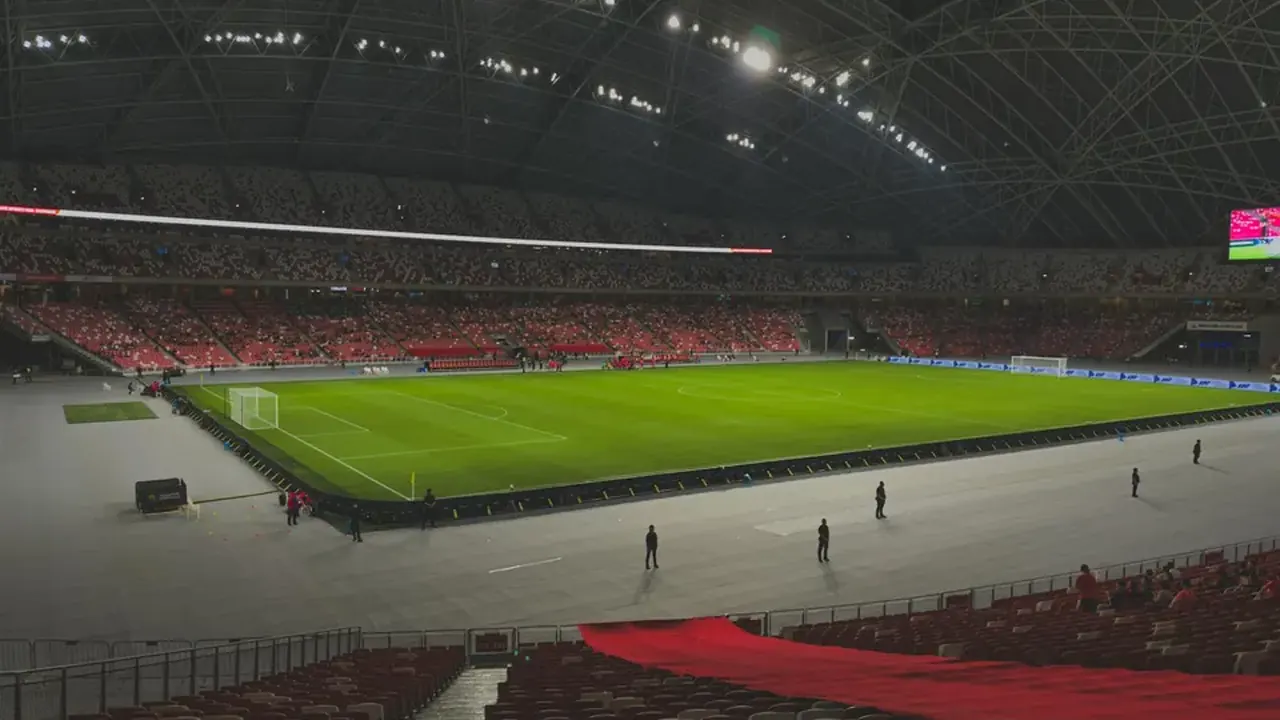
The major turning point came in 2023 when the Anfield Road End was expanded to a two-tier structure, adding about 7,000 seats and bringing total capacity to over 61,000. This was controversial because:
- Construction delays pushed completion past the original deadline.
- The upper tier offers excellent views but reduced acoustics compared to the old single-tier design.
- Some fans argue the atmosphere diluted; others welcome the extra bodies.
Step 4: Assess the Centenary Stand's Role in Modernization
Opened in 1992 to mark Liverpool's centenary, this stand replaced the old Kemlyn Road Stand. It was the first all-seater stand at Anfield, designed with corporate hospitality in mind.
What to look for:
- The Centenary Stand has three tiers, with the middle tier reserved for hospitality.
- It introduced the first large video screens at Anfield.
- Capacity: about 11,700 seats.
Step 5: Compare Stand Capacities Across Eras
To understand the scale of change, here's a simple table of Anfield's capacity milestones:
| Year | Capacity | Major Change |
|---|---|---|
| 1892 | ~20,000 | Original ground |
| 1906 | ~30,000 | Kop built |
| 1928 | ~55,000 | Kop roof added |
| 1973 | ~45,000 | Main Stand rebuilt |
| 1994 | ~42,000 | All-seater conversion |
| 2016 | ~54,000 | New Main Stand |
| 2023 | ~61,000 | Expanded Anfield Road End |
Why this matters: Capacity isn't just about numbers—it's about revenue, atmosphere, and matchday logistics. Each expansion came with trade-offs.
Step 6: Evaluate the Impact on Matchday Atmosphere
This is where personal opinion meets data. The Kop's conversion to seating reduced capacity by over 50%, but the remaining fans are among the most vocal in English football. The Main Stand's corporate sections often sit silently during matches. The Anfield Road End's new upper tier has mixed reviews.

For your checklist:
- Before the game: Arrive early to soak in the Kop's pre-match rendition of "You'll Never Walk Alone."
- During the game: Stand in the Kop or Anfield Road End for maximum noise.
- After the game: Compare your experience with older fans' memories—they'll tell you the atmosphere peaked in the 1970s and 1980s.
Step 7: Plan Your Stadium Tour with Historical Context
A self-guided tour of Anfield is more meaningful when you know what you're looking at. Here's a quick itinerary:
- Start at the Kop – Stand where 28,000 once stood. Imagine the sway.
- Walk to the Main Stand – Note the 2016 expansion's clean lines versus the 1973 brickwork.
- Visit the Anfield Road End – See the new upper tier and compare it to old photos.
- End at the Centenary Stand – Reflect on how corporate hospitality changed football economics.
Step 8: Connect the Evolution to Club Identity
Anfield's stands aren't just concrete and steel—they're physical manifestations of Liverpool's history. The Kop represents working-class roots. The Main Stand reflects modern commercialism. The Anfield Road End expansion shows ambition balanced with community resistance.
Final thought for your article: When you write about Anfield's evolution, avoid treating it as a linear "improvement." Each stand change had winners and losers. The Kop lost standing but gained safety. The Main Stand gained revenue but lost intimacy. The Anfield Road End gained capacity but possibly lost acoustics.
Your checklist conclusion: Anfield remains one of football's most iconic stadiums, not despite its changes but because of them. The stands tell a story of a club that grew from a local team to a global brand, always negotiating between tradition and progress.
Further Reading
- The Story of Liverpool FC's Foundation Years
- Liverpool FC Badge Evolution: From Liver Bird to Modern Crest
- Anfield's Role in Liverpool's History and Culture
This article is based on documented historical facts and publicly available stadium records. For official tour information, visit the Liverpool FC website or contact the club directly.
Reader Comments (0)