

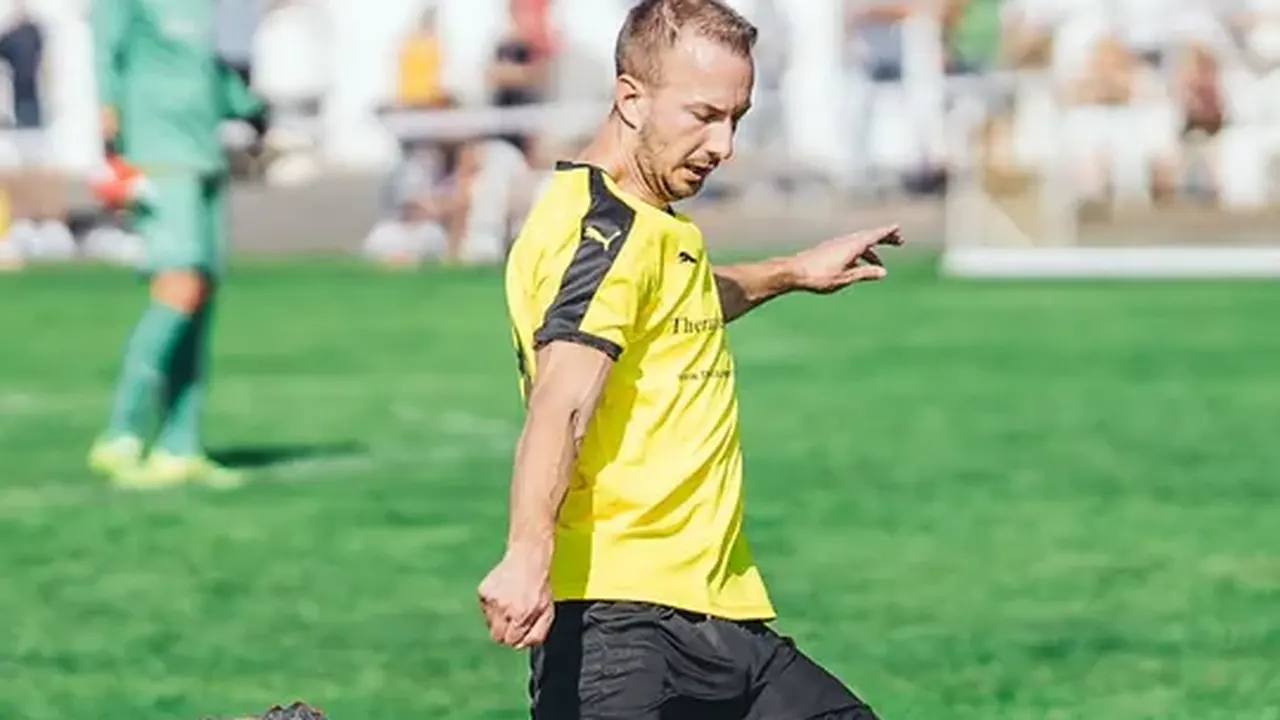
Bob Paisley
Bob Paisley, the legendary manager of Liverpool Football Club, remains one of the most decorated figures in English football history. His tenure from 1974 to 1983 transformed the club into a dominant force both domestically and in Europe. Paisley's approach was understated yet highly effective, rooted in a deep understanding of the game and the players he managed.
European Cup
The European Cup, now known as the UEFA Champions League, was the pinnacle of club football during Paisley's era. He led Liverpool to three European Cup triumphs in 1977, 1978, and 1981. This achievement remains unmatched by any other British manager. Each victory was hard-fought, with the 1977 final against Borussia Mönchengladbach and the 1981 final against Real Madrid showcasing Liverpool's tactical discipline and resilience.
League Championship
Under Paisley, Liverpool won six League Championships in 1976, 1977, 1979, 1980, 1982, and 1983. This dominance in the English First Division established Liverpool as the premier club in England. Paisley's teams were known for their consistency, often maintaining title challenges deep into the season and securing crucial points with a blend of defensive solidity and attacking flair.
UEFA Cup
Paisley's Liverpool also claimed the UEFA Cup in 1976, adding to the club's European pedigree. The victory over Club Brugge in the final demonstrated Liverpool's ability to compete across different European competitions. This trophy was a precursor to the European Cup successes that followed, signaling the club's growing stature on the continent.
FA Cup
While Paisley's primary focus was on league and European success, he also guided Liverpool to the FA Cup final in 1977. However, the team fell short, losing to Manchester United. This near-miss highlights the challenge of winning domestic cup competitions alongside league and European commitments. Despite this, Paisley's overall trophy haul remains extraordinary.
League Cup
Paisley won the League Cup three times, in 1981, 1982, and 1983. These victories showcased Liverpool's depth and ability to compete on multiple fronts. The League Cup, often seen as a secondary competition, became a regular feature of Liverpool's trophy cabinet under Paisley's management.
Charity Shield
The FA Charity Shield, now the Community Shield, was won by Paisley's Liverpool in 1976, 1977, 1979, 1980, and 1982. These matches, played at the start of each season, often served as a preview of the club's form. Paisley's teams consistently started seasons strongly, setting the tone for their league campaigns.

Trophy Haul Summary
Paisley's trophy haul includes six League Championships, three European Cups, one UEFA Cup, three League Cups, and five Charity Shields. This collection of 20 major trophies in just nine seasons is a testament to his managerial genius. No other Liverpool manager has matched this record, and it remains a benchmark for success in English football.
Transition from Shankly
Paisley succeeded Bill Shankly in 1974, a daunting task given Shankly's legendary status. Rather than overhauling the system, Paisley built on Shankly's foundations, refining tactics and squad management. His ability to maintain continuity while introducing subtle changes was key to Liverpool's sustained success.
Tactical Approach
Paisley favored a 4-4-2 formation, emphasizing teamwork and discipline. His teams were known for their pressing, quick transitions, and set-piece efficiency. Paisley's tactical flexibility allowed Liverpool to adapt to different opponents, whether in domestic league matches or European ties.
Player Development
Paisley was instrumental in developing players who became club legends, such as Kenny Dalglish, Graeme Souness, and Alan Hansen. He had a keen eye for talent, often integrating youth academy graduates into the first team. This focus on youth development laid the groundwork for Liverpool's long-term success.
European Dominance
Liverpool's European success under Paisley was unprecedented for an English club. The three European Cup victories in five seasons established Liverpool as a force in continental football. Paisley's teams were known for their composure in high-pressure matches, often turning tight games in their favor.
Domestic Rivalries
During Paisley's era, Liverpool faced strong competition from clubs like Nottingham Forest, Manchester United, and Arsenal. Despite these challenges, Liverpool consistently finished at the top of the league. Paisley's ability to navigate rivalries and maintain focus was crucial to the club's dominance.

Legacy and Influence
Paisley's legacy extends beyond his trophy haul. He influenced a generation of managers and players, including Joe Fagan, who succeeded him and led Liverpool to more European success. Paisley's emphasis on teamwork, humility, and hard work remains part of Liverpool's club culture.
Comparison with Other Managers
When compared to other great managers like Bill Shankly, Alex Ferguson, and Pep Guardiola, Paisley's trophy haul per season is exceptional. While Ferguson had a longer tenure, Paisley's nine-year period yielded a higher trophy density. This comparison underscores Paisley's efficiency and impact.
Challenges Faced
Paisley faced challenges such as injuries, player departures, and evolving tactics. He managed these issues by rotating his squad and adapting his strategies. For example, when key players like Kevin Keegan left, Paisley successfully integrated new talent like Kenny Dalglish.
Retirement and Aftermath
Paisley retired in 1983, leaving a squad that continued to succeed under Joe Fagan. His retirement marked the end of an era, but his influence persisted. Liverpool's subsequent success in the 1980s was built on the foundations Paisley established.
Recognition and Honors
Paisley received numerous accolades, including the OBE in 1977. He was also inducted into the English Football Hall of Fame. These honors reflect his immense contribution to the sport and his status as one of the greatest managers in history.
Modern Relevance
Today, Paisley's methods are studied by managers and analysts. His focus on squad rotation, tactical flexibility, and player welfare remains relevant in modern football. Liverpool's current manager, Arne Slot, may draw inspiration from Paisley's approach as he shapes the team's future.
What to Check
- Verify Paisley's trophy count through official club records and historical databases.
- Consult biographies and documentaries for detailed accounts of his career.
- Compare his achievements with other managers using reliable statistical sources.
- Review match reports from key finals to understand the context of his victories.
- Consider the era's competitive landscape, as football has evolved significantly since the 1970s.
Reader Comments (0)