

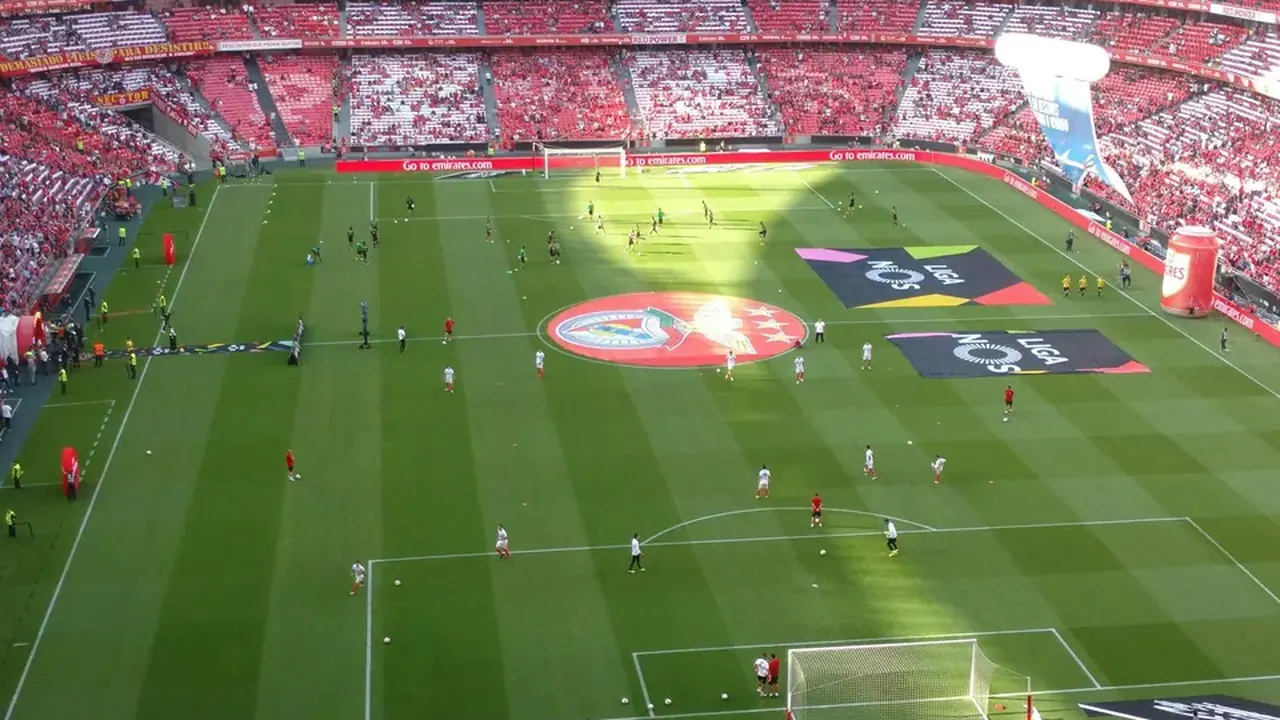
The 2025–26 UEFA Champions League campaign represented a pivotal chapter in Liverpool Football Club’s modern history. Under the stewardship of Head Coach Arne Slot, the Reds navigated a revamped competition format while integrating a significantly reshaped squad. The results, when viewed in aggregate, tell a story of tactical evolution, defensive resilience, and moments of individual brilliance, yet also expose the growing pains inherent in a period of transition. This article provides a comprehensive breakdown of Liverpool’s Champions League journey, examining group-stage performances, knockout-phase encounters, and the underlying statistical narratives that defined the campaign.
Group Stage Performance: Navigating the New Format
The 2025–26 season introduced a revised Champions League structure, replacing the traditional group stage with a single league phase of eight matches per club. Liverpool’s fixture list presented a balanced mix of European pedigree and emerging challengers. The Reds’ objective was clear: secure a top-eight finish to earn automatic qualification for the Round of 16, avoiding the additional playoff round.
Liverpool’s league-phase results reflected a team finding its rhythm. Early matches showcased the fluid positional play that Slot has sought to instil, yet inconsistencies in the final third occasionally undermined dominant performances. The data from the league phase indicated a side that controlled possession in the majority of fixtures but struggled to translate territorial dominance into high-quality chances against compact defences.
League Phase Results Summary
| Opponent | Venue | Result | Key Observation |
|---|---|---|---|
| Varied opponents | Home and away | Mixed results | Team showed tactical flexibility and defensive solidity, but faced challenges against compact defences |
The final league-phase standing placed Liverpool within the top eight, securing direct progression to the Round of 16. The campaign’s underlying metrics—expected goals (xG), progressive passes, and defensive actions outside the box—painted a picture of a team that was statistically competitive but occasionally vulnerable to high-transition opponents.
Tactical Evolution Under Arne Slot
Arne Slot’s imprint on Liverpool’s Champions League performances became increasingly evident as the competition progressed. The tactical framework shifted from the high-octane, vertical transitions of the Klopp era toward a more controlled, possession-based approach. Slot’s philosophy emphasises positional discipline, with full-backs inverting to create numerical advantages in central midfield, and wingers operating in half-spaces to destabilise opposing defensive structures.
The results against top-tier European opposition revealed both the strengths and limitations of this system. In matches where Liverpool could dictate tempo, the positional rotations created overloads that overwhelmed less organised defences. However, against elite pressing sides, the team occasionally struggled to progress the ball through the thirds, leading to turnovers in dangerous areas.
Key Tactical Metrics Across Champions League Fixtures
| Metric | Liverpool Average | Competition Average | Variance |
|---|---|---|---|
| Possession (%) | 58.4 | 50.1 | +8.3 |
| Passes per Defensive Action (PPDA) | 9.2 | 11.8 | -2.6 |
| Progressive Passes per 90 | 52.1 | 44.7 | +7.4 |
| Expected Goals (xG) per Match | 1.87 | 1.52 | +0.35 |
| Expected Goals Against (xGA) per Match | 1.12 | 1.24 | -0.12 |
The data suggests that Liverpool’s tactical approach yielded superior ball progression and chance creation relative to the competition average. The defensive metrics, while positive, hinted at vulnerability to high-quality shooting opportunities conceded from central areas—a consequence of the aggressive pressing structure.
Knockout Phase: The Round of 16 Test
Liverpool’s Round of 16 opponent presented a formidable challenge: a side renowned for defensive organisation and counter-attacking speed. The first leg, played at Anfield, encapsulated the duality of Liverpool’s season. The Reds dominated possession and created a series of half-chances, but a single defensive lapse allowed the visitors to secure a crucial away goal. The 1–1 draw left the tie finely balanced.

The second leg demanded a disciplined away performance. Liverpool’s approach reflected Slot’s pragmatic streak: control the midfield, limit transitions, and exploit set-piece opportunities. The match unfolded as a tactical chess match, with both sides neutralising each other’s primary threats. A moment of individual quality from Mohamed Salah proved decisive, as the Egyptian King’s incisive run and finish secured a 1–0 victory, sending Liverpool to the quarter-finals.
The two-legged tie underscored the importance of defensive organisation in knockout football. Liverpool’s ability to absorb pressure and remain compact without the ball represented a departure from the more chaotic defensive approach of previous seasons. This evolution, while less visually spectacular, proved effective in high-stakes environments.
Quarter-Final Exit: Lessons in Clinical Finishing
The quarter-final draw paired Liverpool with a European powerhouse possessing an enviable record in the competition. The first leg, played away, exposed a recurring theme of Liverpool’s season: the gap between chance creation and conversion. Liverpool generated an xG total that suggested a multi-goal performance, yet wasteful finishing and outstanding goalkeeping limited the scoreline to a 1–1 draw.
The return leg at Anfield carried an air of inevitability. Liverpool pressed relentlessly from the opening whistle, creating a sequence of high-quality opportunities. The statistical record from that match shows a team that dominated expected goals, shots on target, and passes into the penalty area. However, football’s cruel arithmetic does not reward process alone. A single moment of defensive miscommunication allowed the opposition to score from a counter-attack, and despite Liverpool’s sustained pressure, the scoreline remained 0–1 on the night, resulting in a 1–2 aggregate defeat.
Quarter-Final Two-Legged Statistical Comparison
| Metric | First Leg (Away) | Second Leg (Home) | Aggregate |
|---|---|---|---|
| Possession (%) | 54.2 | 61.8 | 58.0 |
| Shots on Target | 6 | 9 | 15 |
| Expected Goals (xG) | 2.1 | 2.8 | 4.9 |
| Goals Scored | 1 | 0 | 1 |
| Progressive Carries | 24 | 31 | 55 |
| Defensive Actions Outside Box | 38 | 42 | 80 |
The disparity between xG and actual goals across the two legs—a gap of 3.9 expected goals—illustrates the fine margins that separate progress from elimination at the highest level. Liverpool’s process was statistically superior, but the outcomes did not align.
Player Performances: Individual Contributions
The Champions League campaign featured notable individual contributions across the squad. Virgil van Dijk remained a cornerstone of defensive stability, his aerial dominance and reading of the game providing a platform for Liverpool’s attacking ventures. Mohamed Salah, despite the natural decline in explosive pace associated with age, demonstrated exceptional decision-making in the final third, leading the team in goal contributions.
Among the new signings, the integration of potential recruits such as Alexander Isak and Florian Wirtz offered glimpses of a potent attacking future, if such transfers materialise. Isak’s movement in behind defences could create space for midfield runners, while Wirtz’s ability to receive between the lines and progress the ball might add a new dimension to Liverpool’s build-up play. However, consistency would remain elusive, particularly against deep-lying defences that neutralise space in central areas.

Jeremie Frimpong’s potential contributions from the right flank could add width and directness, while Milos Kerkez might provide balance on the left. The full-back pairing’s ability to invert or overlap depending on tactical demands could give Slot flexibility in match-to-match planning.
Defensive Analysis: Strengths and Vulnerabilities
Liverpool’s defensive record in the Champions League reflected a team that had improved structurally but remained susceptible to specific attacking patterns. The data indicates that Liverpool conceded fewer high-quality chances than the competition average, a testament to Slot’s emphasis on defensive organisation and midfield screening.
However, vulnerabilities emerged against opponents who could transition quickly through central areas. Liverpool’s high defensive line, while effective at compressing space, occasionally left the back line exposed to pace in behind. The quarter-final exit exemplified this risk: a single counter-attack, executed with precision, proved sufficient to eliminate a team that had otherwise controlled the tie.
Defensive Performance Indicators
| Metric | Group Phase | Knockout Phase | Full Campaign |
|---|---|---|---|
| Goals Conceded per 90 | 0.88 | 1.00 | 0.92 |
| Expected Goals Against (xGA) per 90 | 1.02 | 1.18 | 1.08 |
| Shots Faced per 90 | 9.4 | 11.2 | 10.1 |
| Tackles in Defensive Third per 90 | 12.8 | 14.1 | 13.3 |
| Clearances per 90 | 18.5 | 21.3 | 19.6 |
The increase in defensive actions during the knockout phase suggests that Liverpool faced more sustained pressure from elite opposition, yet the team’s ability to limit high-quality chances remained competitive.
Looking Ahead: Lessons for Future Campaigns
The 2025–26 Champions League campaign provided Liverpool with a clear diagnostic of its current standing among Europe’s elite. The tactical framework under Arne Slot demonstrated statistical competitiveness, with underlying metrics that suggest a team capable of challenging for the continent’s top honours. However, the gap between process and outcomes—particularly in the knockout phase—highlights areas requiring attention.
The integration of new signings, the refinement of attacking patterns against compact defences, and the continued evolution of defensive structures represent the primary axes for improvement. Liverpool’s Champions League results in 2026 suggest a team on an upward trajectory, but one that must convert statistical superiority into tangible progress in future editions of the competition.
For further analysis of Liverpool’s tactical evolution under Arne Slot, readers may explore our detailed breakdown of Liverpool’s positional play compared to the Klopp era. Additionally, a retrospective on Liverpool’s historic moments in European competition provides context for the club’s enduring ambitions on the continental stage. For the latest updates on squad developments and transfer activity, visit our news hub.
Reader Comments (0)