

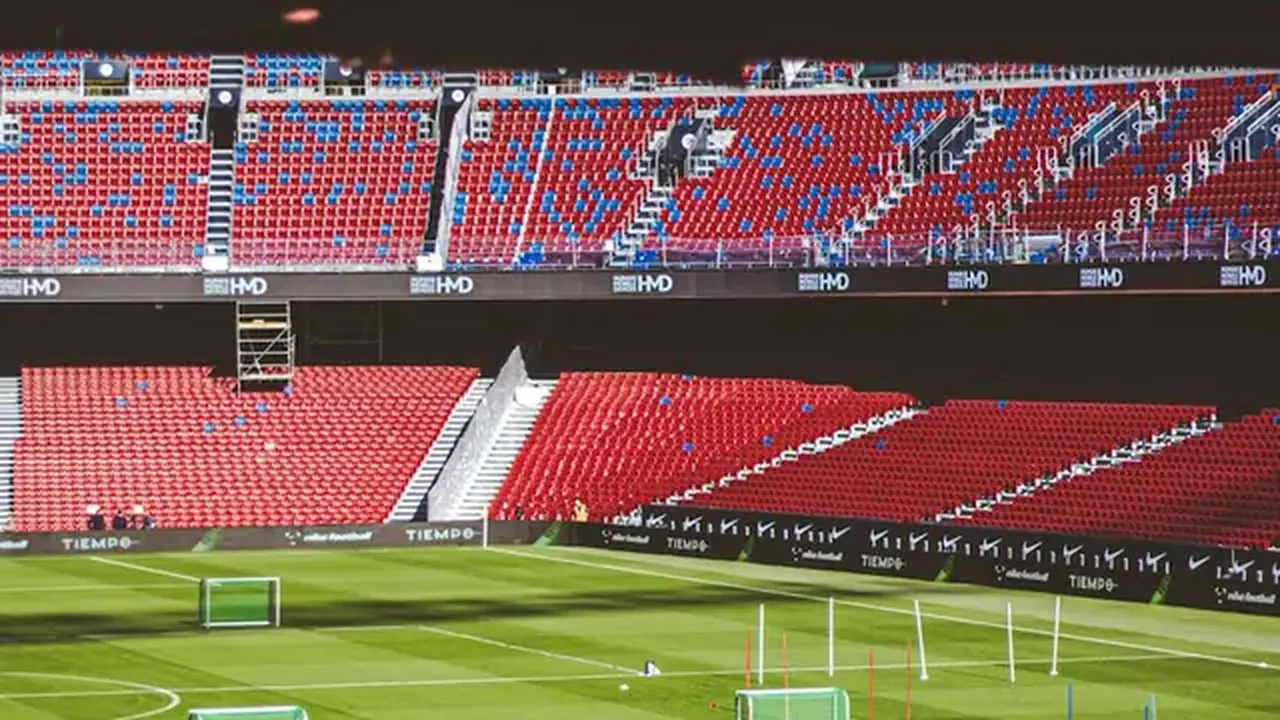
Anfield isn’t just a stadium—it’s a living museum of football history, a fortress of sound, and a constantly evolving architectural project. For any Liverpool FC fan, understanding its layout, expansions, and design quirks transforms a matchday visit from a simple game into a deeper appreciation of the club’s identity. Whether you’re planning your first trip or you’ve been in the Kop for decades, this checklist will guide you through the key architectural features that make Anfield unique.
Step 1: Start with the Main Stand—The Modern Marvel
The Main Stand, completed in 2016, is the most visible symbol of Anfield’s 21st-century transformation. At 54 meters high, it’s one of the tallest single-tier stands in Europe. When you approach the stadium, look for the glass-fronted exterior that houses the club’s museum, ticket office, and hospitality suites. Inside, the stand’s steep rake means every seat offers an unobstructed view of the pitch—a deliberate design choice to maximize atmosphere. As you walk through the concourse, note the exposed steelwork and modern lighting, which contrast sharply with the older stands.
- What to look for: The external cladding’s red and white panels, the “This Is Anfield” sign at the players’ entrance (located at the base of this stand), and the sheer height that dwarfs the surrounding streets.
- Why it matters: This stand increased capacity to over 54,000 and set the standard for future expansions. It’s a case study in balancing heritage with modern engineering.
Step 2: Walk the Kop—The Heartbeat of Anfield
The Kop is not just a stand—it’s an institution. Originally a bank of terracing named after the Battle of Spion Kop, it was rebuilt as an all-seater in 1994 following the Taylor Report. Today, it remains a single-tier stand holding over 12,700 fans. When you’re inside, pay attention to the acoustics: the steep angle and enclosed design trap sound, creating that famous wall of noise. The Kop’s roof is also a key feature—it’s a cantilever design, meaning no pillars block the view, a rarity for stands built in the early 1990s.
- What to look for: The “Kop” lettering on the roof, the flags and banners that fans hang pre-match, and the small “1892” plaque near the entrance (the year Liverpool FC was founded).
- Why it matters: The Kop’s architecture directly influences the atmosphere. Without pillars, the crowd feels unified, and the steep rake brings fans closer to the pitch than in many modern stadiums.
Step 3: Examine the Centenary Stand—The Historic Link
The Centenary Stand, opened in 1992 to mark the club’s 100th anniversary, bridges the gap between old and new. It’s a two-tier stand with a smaller upper tier and a larger lower tier. Unlike the Main Stand and Kop, it has a more traditional feel, with a shallower rake and fewer modern amenities. Look for the “Centenary” inscription above the upper tier and the executive boxes that line the middle level. This stand also houses the away fans for most matches, so it’s where you’ll see the most contrasting colors.
- What to look for: The separation between home and away supporters, the older-style seating (narrower than in newer stands), and the floodlights mounted on its roof.
- Why it matters: This stand represents a transitional phase in Anfield’s history—before the major expansions but after the move to all-seater. It’s a reminder that Anfield’s architecture isn’t uniform; it’s a patchwork of eras.
Step 4: Check the Anfield Road Stand—The Latest Addition

The Anfield Road Stand, reopened in 2023 after a major redevelopment, is the newest piece of the puzzle. It’s a three-tier stand that increased capacity by over 7,000 seats, bringing the total to over 61,000. The design focuses on improving sightlines and fan experience, with wider concourses, better food and drink outlets, and enhanced accessibility. From the outside, you’ll notice its curved roof and glass façade, which mirror the Main Stand’s modern aesthetic. Inside, the upper tier is particularly steep, offering a bird’s-eye view of the pitch.
- What to look for: The external walkway that connects the stand to the stadium, the new hospitality areas, and the improved entry points that reduce queue times.
- Why it matters: This stand completed Anfield’s modernisation, making it one of the largest club-specific stadiums in the Premier League. It also shows the club’s commitment to incremental expansion rather than moving to a new site.
Step 5: Tour the Surrounding Streets—The Context of Anfield
Anfield isn’t isolated—it’s embedded in a residential area. Walk around the stadium to see how the architecture interacts with the neighborhood. The streets of Anfield, such as Anfield Road, Walton Breck Road, and Skerries Road, are lined with terraced houses, many of which have been converted into fan zones, pubs, and souvenir shops. The famous “Twelve Pins” pub at the corner of Anfield Road and Walton Breck Road is a landmark in itself. Notice how the stadium’s height dominates the skyline, but also how the local community has adapted to the matchday crowds.
- What to look for: The “LFC” crest on street signs, the murals of club legends on building walls (e.g., the Bill Shankly mural on Anfield Road), and the small gardens that fans have turned into informal memorials.
- Why it matters: Anfield’s architecture isn’t just about the stadium—it’s about the relationship between the club and its community. The residential setting adds a layer of intimacy and history that purpose-built stadiums often lack.
Step 6: Compare with Other Historic Stadiums—A Table of Key Differences
To appreciate Anfield’s architecture, it helps to see how it stacks up against other iconic grounds. Here’s a quick comparison of key features:

| Feature | Anfield (Liverpool) | Old Trafford (Manchester United) | Camp Nou (Barcelona) |
|---|---|---|---|
| Current capacity | ~61,000 | ~74,000 | ~99,000 |
| Oldest stand | Kop (rebuilt 1994, original 1906) | Sir Bobby Charlton Stand (rebuilt 2006) | Main Stand (rebuilt 1957, renovated 1999) |
| Single-tier stand | Kop (yes) | Stretford End (yes) | None (all multi-tier) |
| Cantilever roof | Kop (yes) | Stretford End (yes) | No (pillars in some areas) |
| Residential setting | Yes (terraced houses) | Yes (partially) | No (urban park setting) |
| Recent expansion | Anfield Road Stand (2023) | No major expansion since 2006 | Renovation ongoing (2025) |
- Key takeaway: Anfield’s combination of a single-tier Kop, a residential setting, and a series of incremental expansions makes it unique among top-tier stadiums. It’s not the biggest or the newest, but it’s arguably the most characterful.
Step 7: Understand the Future—What’s Next for Anfield?
While the current configuration is complete, the club has hinted at further expansion possibilities, particularly for the Anfield Road Stand’s upper tier. There’s also talk of improving the surrounding infrastructure, such as better transport links and fan zones. Keep an eye on official announcements from Liverpool FC and the city council for any planning applications. As a fan, you can follow these developments through the club’s official website or trusted fan media like The Kop Review.
- What to look for: Any news about additional seating, improved concourses, or changes to the stadium’s exterior (e.g., new lighting or signage).
- Why it matters: Anfield’s architecture is never finished—it evolves with the club’s ambitions. Understanding the current state helps you appreciate future changes.
Final Checklist: Your Anfield Architecture Tour
Before you go, here’s a quick summary of what to observe:
- Main Stand: Look for the height, glass façade, and players’ entrance.
- Kop: Note the steep rake, cantilever roof, and acoustic effect.
- Centenary Stand: Spot the two-tier design and away fans section.
- Anfield Road Stand: Check the curved roof and modern concourses.
- Surrounding streets: Walk around for murals, pubs, and residential context.
- Compare with other stadiums: Use the table above as a reference.
- Future plans: Follow club news for potential expansions.
Anfield’s architecture tells the story of a club that respects its past while embracing the future. Next time you’re there—whether in person or through a virtual tour—use this checklist to see beyond the pitch. You’ll leave with a richer understanding of what makes this stadium truly special.
Reader Comments (0)