

Alisson Becker (Goalkeeper)
Alisson Becker’s injury history at Liverpool has been marked by a pattern of muscular setbacks rather than structural damage. Since joining the club in 2018, the Brazilian goalkeeper has missed stretches due to calf strains, hamstring issues, and a shoulder problem that required careful management. The recurring nature of soft-tissue injuries suggests that workload management and recovery protocols play a significant role in his fitness. When fit, Alisson remains among the most reliable shot-stoppers in the Premier League, but his absence often exposes defensive frailties that his leadership masks.
Virgil van Dijk (Centre-Back)
The anterior cruciate ligament injury Virgil van Dijk suffered in October 2020 represents the most significant single injury event in Liverpool’s recent history. The recovery process took nearly a full season, and his return in 2021/22 demonstrated that while his reading of the game remained elite, some explosive athleticism had diminished. Subsequent minor issues—including a hamstring problem in 2023—have been managed with caution, reflecting the club’s awareness of his age and injury history. Van Dijk’s availability has improved since the ACL recovery, but the cumulative load of high-intensity defending and international duty means his minutes are monitored. Liverpool’s defensive record is generally affected when he is absent, particularly in aerial duels and organisational structure.
Mohamed Salah (Forward)
Mohamed Salah’s injury record is remarkably clean for a forward who plays high minutes across multiple competitions. The Egyptian winger has missed very few matches due to injury since joining Liverpool in 2017, with most absences coming from minor knocks or illness rather than significant structural damage. A shoulder issue in the 2018 Champions League final and a hamstring complaint in 2023 are the most notable events, but both resolved without long-term consequences. Salah’s durability is a product of his playing style—he avoids reckless challenges and manages his sprint load effectively. His availability is important given his goal contributions. Any extended absence would force tactical adjustments that Liverpool have rarely had to contemplate.
Trent Alexander-Arnold (Right-Back)
Trent Alexander-Arnold has dealt with a series of minor injuries that have interrupted his rhythm rather than derailed his career. Hamstring strains, a knee issue, and occasional groin problems have caused him to miss matches in clusters, particularly during congested fixture periods. The right-back’s injury history suggests that his high volume of crosses and long passes places repetitive strain on his lower body. Liverpool’s medical staff have implemented load management strategies to reduce recurrence risk, including selective rotation. When available, Alexander-Arnold provides unique creative output from deep positions, but his defensive workload in transitional moments has sometimes been affected by returning from injury without full sharpness.
Darwin Núñez (Forward)
Darwin Núñez’s injury history at Liverpool has been characterised by contact-related issues rather than chronic muscular problems. The Uruguayan striker has missed matches due to knocks sustained in training and matches, including a shoulder problem and minor foot complaints. His aggressive playing style—marked by high-speed runs and physical duels—increases exposure to contact injuries. Núñez’s availability is generally good, but his recovery from minor setbacks sometimes takes longer than expected, possibly due to the intensity of his movement patterns. Liverpool’s attacking depth means his absence is manageable, but his unique profile as a runner in behind is difficult to replicate.
Alexis Mac Allister (Midfielder)
Alexis Mac Allister arrived at Liverpool with a relatively clean injury record from his Brighton days, and his first season at Anfield maintained that trend. The Argentine midfielder has missed matches primarily due to minor muscular issues and a concussion protocol following a head injury. His playing style—based on positioning and passing rather than explosive acceleration—reduces injury risk. Mac Allister’s availability has been reliable, and his ability to play through discomfort without significant performance drop-off has been noted. The midfield’s balance depends on his presence, as he provides both defensive coverage and creative progression.
Dominik Szoboszlai (Midfielder)
Dominik Szoboszlai’s injury history at Liverpool has been shaped by a hamstring issue that caused a notable absence during his debut season. The Hungarian midfielder’s high-intensity pressing and explosive runs place significant demands on his hamstrings, and the club has managed his return carefully to avoid recurrence. Minor groin and ankle issues have also caused short-term absences. Szoboszlai’s availability is a key concern because his role as a box-to-box midfielder requires both endurance and power. When fully fit, he offers goal threat and transition speed, but his injury profile suggests that load management will remain important throughout his Liverpool career.

Ibrahima Konaté (Centre-Back)
Ibrahima Konaté’s injury history is the most concerning among Liverpool’s defensive options. The French centre-back has missed significant stretches due to muscular injuries, including hamstring and thigh problems, as well as a dislocated finger that required surgery. His physical profile—tall, powerful, and explosive—combined with his aggressive defending style creates high injury risk. Konaté’s availability rate has been inconsistent, with some seasons seeing him miss multiple matches. When fit, his combination of pace and strength makes him a valuable partner for Van Dijk, but reliability remains a question. Liverpool’s medical team has focused on strengthening and conditioning to improve his durability.
Cody Gakpo (Forward)
Cody Gakpo’s injury record at Liverpool has been relatively minor, with most absences stemming from knocks and minor muscular issues rather than serious problems. The Dutch forward has dealt with a foot complaint and minor hamstring tightness, but neither has caused extended layoffs. His versatility across forward positions allows Liverpool to manage his minutes without disrupting tactical plans. Gakpo’s availability has been reliable, and his ability to play through minor discomfort has been noted. His playing style—based on positioning and link-up play rather than explosive runs—reduces injury risk compared to more dynamic forwards.
Luis Díaz (Forward)
Luis Díaz’s injury history at Liverpool has been significantly impacted by a serious knee injury suffered in a collision during a match in October 2022. That injury required surgery and kept him out for several months, representing the most substantial absence of his career. Since returning, Díaz has dealt with minor muscular issues, including a hamstring complaint, but has generally maintained good availability. The Colombian winger’s explosive dribbling style and high-speed changes of direction place stress on his knees and hamstrings. Liverpool have managed his minutes carefully post-injury, and his form has fluctuated as he regains full confidence. His availability remains a key factor in Liverpool’s attacking width.
Ryan Gravenberch (Midfielder)
Ryan Gravenberch arrived at Liverpool with a history of minor injuries from his time at Bayern Munich and Ajax, including ankle and muscular issues. At Liverpool, he has missed matches due to a hamstring problem and general fitness concerns as he adapted to the Premier League’s physical demands. The Dutch midfielder’s tall frame and technical style require careful conditioning to prevent overload injuries. His availability has improved as he has settled into the squad, but the club monitors his workload closely. Gravenberch’s potential as a progressive midfielder is clear, but his injury history suggests that consistent minutes will need to be built gradually.
Jarell Quansah (Centre-Back)
Jarell Quansah’s injury history is limited due to his youth and relatively recent emergence into the first team. The young centre-back has dealt with minor knocks and growth-related issues during his academy years, but no significant injuries have affected his senior career. His availability has been excellent since breaking into the squad, and his physical development has been managed carefully by Liverpool’s medical staff. Quansah’s clean injury record is a positive sign, but the demands of regular first-team football will test his durability. The club’s approach to his development includes load management to reduce injury risk as he gains experience.
Conor Bradley (Right-Back)
Conor Bradley’s injury history includes a notable back issue that required careful management during his breakthrough season at Liverpool. The young right-back also missed time due to a stress-related injury that limited his minutes. His high-intensity playing style—marked by overlapping runs and defensive aggression—places demands on his lower back and hamstrings. Bradley’s availability has been inconsistent, with minor setbacks interrupting his development. Liverpool’s medical team has worked on strengthening and conditioning to address these issues. When fit, Bradley offers energy and attacking threat, but his injury profile suggests that rotation will be necessary to maintain his fitness.
Harvey Elliott (Midfielder)
Harvey Elliott’s injury history is dominated by a serious ankle fracture dislocation suffered in September 2021, which required surgery and a lengthy recovery. That injury was a contact event rather than a muscular issue, but it had psychological as well as physical impacts on his development. Since returning, Elliott has dealt with minor muscular complaints but has generally maintained good availability. The young midfielder’s playing style—based on quick feet and vision rather than explosive power—reduces injury risk. His recovery from the ankle injury has been successful, and he has shown resilience in returning to full fitness. Elliott’s availability is important for Liverpool’s midfield depth.
Joe Gomez (Defender)
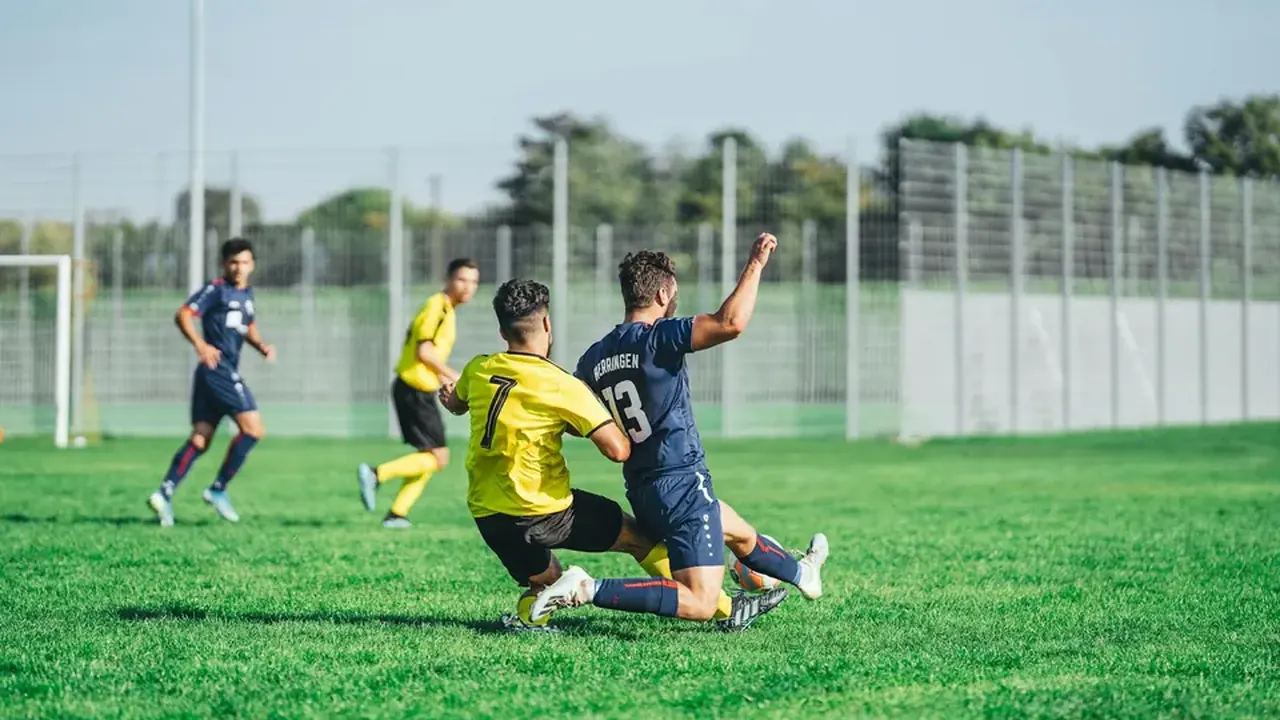
Joe Gomez’s injury history at Liverpool is extensive and includes multiple serious setbacks. The defender has suffered a patellar tendon rupture, an Achilles injury, and a broken leg, each requiring significant recovery time. These injuries have limited his availability across multiple seasons, and he has never been able to establish an extended run of consistent fitness. Gomez’s versatility across centre-back and full-back positions is valuable, but his injury profile means he cannot be relied upon as a primary option. Liverpool have managed his minutes carefully, and his return to form in recent seasons has been encouraging. Gomez’s availability has improved, but the cumulative impact of his injury history remains a concern.
Kostas Tsimikas (Left-Back)
Kostas Tsimikas’s injury history at Liverpool has been relatively minor, with most absences coming from muscular issues and a notable collarbone injury sustained in training. The Greek left-back has missed matches due to hamstring and calf problems, but none have caused extended layoffs. His role as a rotation option means his minutes are managed, which reduces injury risk. Tsimikas’s availability has been generally reliable, and he has shown an ability to step in when required. His injury profile is manageable, and his durability is a positive for Liverpool’s squad depth.
Wataru Endō (Midfielder)
Wataru Endō’s injury history at Liverpool has been minimal, with the Japanese midfielder missing very few matches due to injury. His playing style—based on positioning, reading of the game, and tactical discipline—reduces physical demands and injury risk. Endō has dealt with minor knocks and fatigue-related issues, but no significant injuries have affected his availability. His durability is a valuable asset for Liverpool, particularly given the physical demands of the defensive midfield role. Endō’s availability rate is among the highest in the squad, and his consistent presence provides stability in midfield.
What to Check When Evaluating Injury Data
When reviewing injury history for Liverpool players, consider these factors rather than relying on single-season snapshots:
- Type of injury: Muscular issues often recur; contact injuries are less predictable
- Recovery time: Extended absences may indicate structural damage or chronic issues
- Age and workload: Older players and those with high minutes face greater cumulative risk
- Playing style: Explosive players face higher muscular injury risk than positional players
- Medical management: Liverpool’s approach to load management affects recurrence rates
Reader Comments (0)