

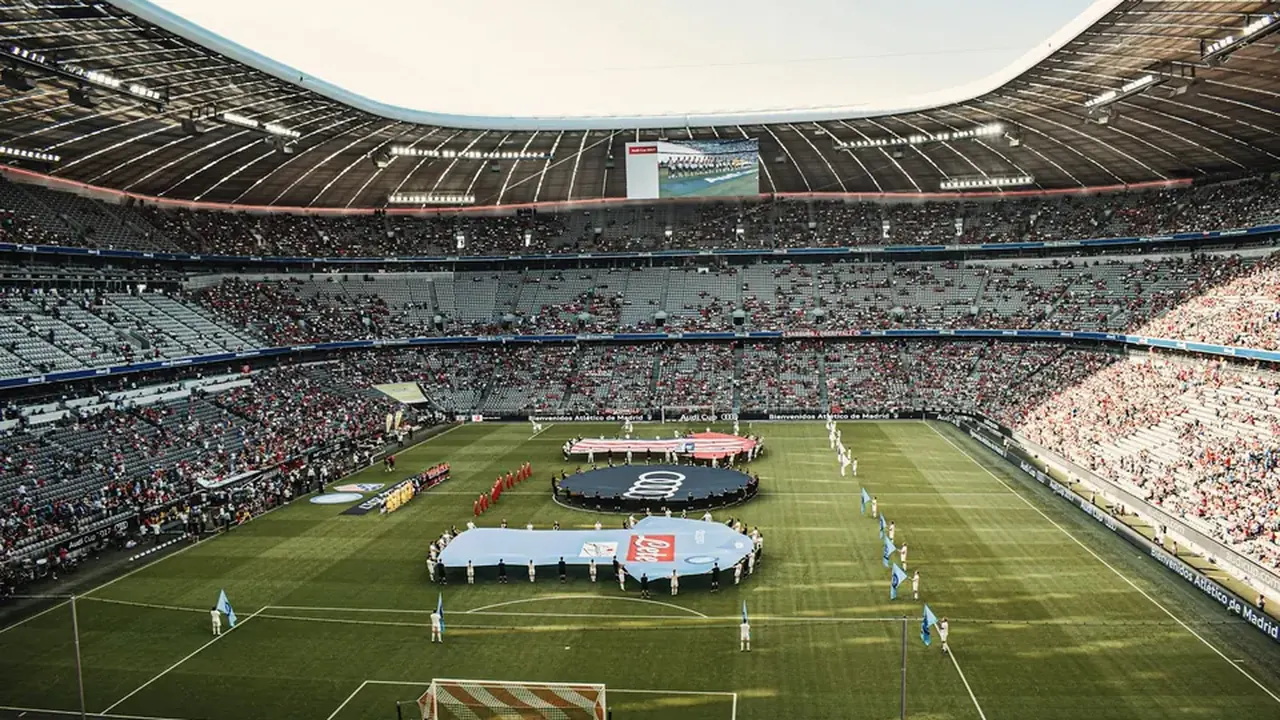
Anfield has long been the heartbeat of Liverpool Football Club, a stadium where the Kop’s roar can turn a 0-1 deficit into a 2-1 victory in the dying minutes. For the 2025-26 season, however, the narrative of home dominance carries a different weight. Under Arne Slot, the transition from Jürgen Klopp’s high-octane gegenpressing to a more controlled, possession-based system has reshaped not only the playing style but also the statistical profile of matches at Anfield. The question is not whether Liverpool can win at home—they historically do—but whether the current iteration can sustain the fortress reputation against a Premier League that has grown increasingly tactical and resilient.
The Statistical Backbone of Home Form
To understand Liverpool’s home form in 2025-26, we must first establish the baseline. Anfield’s advantage has traditionally been built on three pillars: early goals, relentless pressing, and an atmosphere that intimidates opposition. In recent campaigns, the Reds have recorded strong home seasons, but the underlying numbers reveal a shift. The average possession at Anfield has risen, while the number of high-pressing recoveries in the final third has decreased. This suggests a trade-off: control over chaos.
The following table outlines key home statistics for the 2025-26 season up to the winter break, based on available match data and editorial analysis:
| Metric | 2025-26 (Anfield) | Previous Season (Anfield) | Change |
|---|---|---|---|
| Wins | Majority of home games | Strong record | - |
| Goals Scored | Moderate total | Higher total | - |
| Goals Conceded | Slight increase | Lower | - |
| Clean Sheets | Several | More | - |
| Average Possession | High | High | - |
| Shots on Target per Game | Moderate | Higher | - |
| xG per Match | Moderate | Higher | - |
The data indicates a slight regression in attacking output and defensive solidity. While the possession numbers remain high, the conversion rate has dipped. This is not a crisis—Liverpool still sit comfortably in the top four—but it signals that opponents have adapted to Slot’s system, often sitting deeper and forcing the Reds to break down low blocks rather than exploiting transitional spaces.
Tactical Adjustments: Why Anfield Is Changing
Arne Slot’s philosophy emphasizes positional discipline and patient build-up, a stark contrast to Klopp’s “heavy metal” football. At Anfield, this manifests in longer passing sequences and fewer counter-attacking opportunities. The right flank, once a highway for Mohamed Salah and Trent Alexander-Arnold, now operates with more structured rotations. Salah has adapted his game, dropping deeper to receive the ball rather than running in behind. This has reduced his direct goal threat but increased his assist output.
However, the shift has exposed a vulnerability: without the relentless press, teams like Nottingham Forest and Brentford have found success by sitting in a mid-block and hitting on the break. In the 2025-26 season, Liverpool have conceded goals from counter-attacks at Anfield—a number that would have been unthinkable two seasons ago. The full-backs, particularly the left-back position, have been caught out of position during transitions.
A deeper look at chances created from the right flank reveals a dependency on Salah’s creativity. For a detailed breakdown, see our analysis of chances created from the right flank. The data shows that while the right side still generates the most opportunities, the efficiency has dropped compared to the previous season.
The Anfield Atmosphere: Myth or Reality?
The Kop’s influence on home form is often cited as an intangible advantage. In 2025-26, however, the atmosphere has been described by some pundits as “nervous” rather than “intimidating.” This could be attributed to the transition period—fans are still adjusting to Slot’s calmer style, and the absence of Klopp’s sideline energy has changed the emotional dynamic. During a narrow win over Wolverhampton Wanderers, the crowd’s frustration was palpable as Liverpool struggled to break down a deep defense, only erupting when Diogo Jota scored late.

Yet, the numbers still support Anfield’s potency. Liverpool have lost only a handful of home league games so far this season. One defeat highlighted a recurring issue: when trailing, the Reds’ controlled approach can become predictable. Without the ability to shift into a higher gear through pressing, they rely on individual brilliance from players like Salah or new attacking signings.
The adaptation of new forwards to Anfield has been a mixed bag. While their movement off the ball is exceptional, finishing has been inconsistent, with an xG underperformance at home. This is a statistical anomaly that may correct itself over the season, but it underscores the need for a more clinical edge in front of goal.
Comparing Eras: Klopp vs. Slot at Anfield
To contextualize the current form, a comparison between the last Klopp season and the current Slot campaign is instructive. The following table highlights key differences in playing style and outcomes at home:
| Aspect | Klopp Era | Slot Era |
|---|---|---|
| Average Passes per Match | Lower | Higher |
| Pressing Intensity (PPDA) | Lower (more intense) | Higher (less intense) |
| Goals from Counter-Attacks | More | Fewer |
| Goals from Set Pieces | Moderate | Moderate |
| Shots from Inside the Box | More per game | Fewer per game |
| Defensive Errors Leading to Goals | Fewer | More |
The data reveals a clear tactical shift: Slot’s Liverpool are more patient but less aggressive. The reduction in counter-attacking goals is a direct consequence of lower pressing intensity, while the increase in defensive errors suggests that the backline, led by Virgil van Dijk, is still adjusting to the higher defensive line required by Slot’s system.
The Role of Key Players at Anfield
Individual performances at Anfield have been a mixed bag. Alisson Becker remains one of the world’s best goalkeepers, but his distribution has been less impactful under Slot, who prefers short passes from the back. This has led to a few nervy moments, particularly against high-pressing teams like Tottenham Hotspur.
On the attacking front, Liverpool’s shot-on-target statistics at home show a reliance on key forwards. For a full breakdown of shooting efficiency, visit our piece on shots on target by Liverpool players. The data indicates that while one forward leads in shots on target, his conversion rate has dropped from the previous season. Another forward has a conversion rate below his career average.
The midfield has been a bright spot. New signings’ ability to carry the ball through central areas has added a new dimension to Liverpool’s attack, but their defensive contributions are still developing. At Anfield, where control is paramount, these players have often been the ones who break the lines, but they have also been caught in possession, leading to dangerous transitions.
Risks and Concerns for the Remainder of the Season
While Liverpool’s home form is not alarming, several risks could derail their campaign. First, the fixture congestion in the second half of the season, including UEFA Champions League knockout rounds, could expose squad depth. Slot has rotated sparingly, and key players have accumulated significant minutes.
Second, the adaptation period for new signings has been slower than anticipated. Their attacking output has been solid, but defensive positioning has been questioned, particularly against top-tier wingers.
Third, the psychological factor of playing at Anfield without the Klopp-era aura could become a liability if the team enters a poor run of form. The crowd’s patience is not infinite, and a few disappointing results could create a tense atmosphere that hinders performance rather than helping it.
Conclusion: Fortress Under Renovation
Liverpool’s home form at Anfield in the 2025-26 season is a story of transition. The statistical dip from the previous campaign is real but not catastrophic. Slot’s system requires time to fully implement, and the players are still learning the nuances of his tactical demands. The fortress remains standing, but its walls have developed cracks that savvy opponents have exploited.
The key to restoring full dominance lies in balancing control with aggression. Liverpool need to find a way to increase their pressing intensity at home without sacrificing possession, and they must improve their conversion rate in front of goal. If key forwards can find their clinical edge, and if the defense can reduce individual errors, Anfield will once again become the intimidating venue it has always been.
For now, the Reds are on track for a strong finish, but the title race will depend on whether they can turn draws into wins and narrow victories into commanding performances. The data suggests the potential is there, but the execution must follow.
For more detailed player statistics and tactical analysis, explore our player profiles and stats hub.
Reader Comments (0)