

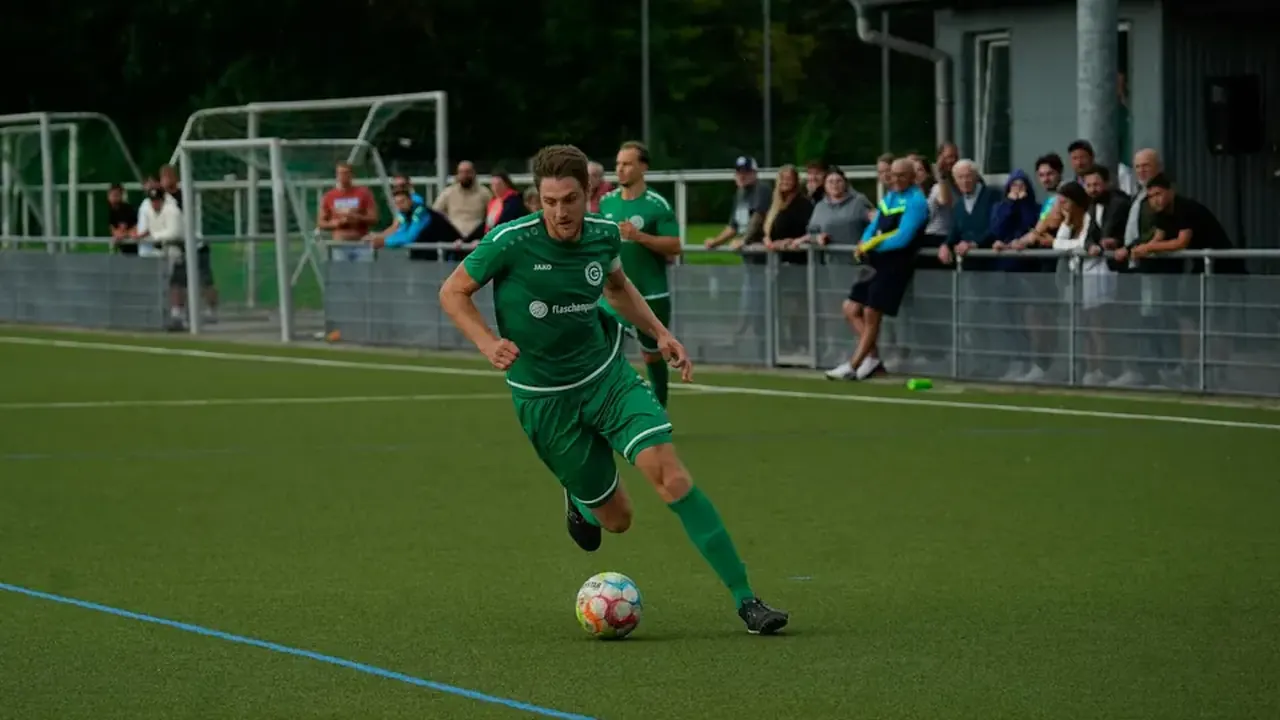
Who Is Ngumoha? The Emerging Talent in Liverpool’s Youth System
Every so often, a name filters through the academy grapevine that makes scouts and fans sit up a little straighter. Ngumoha is one of those names. While still in the early stages of his development within Liverpool’s youth setup, the young player has drawn attention for his technical ability, positional awareness, and the kind of raw potential that the club’s coaching staff are known for nurturing. But who exactly is he, and what does his profile look like at this stage?
### Background and Position
Ngumoha operates primarily as an attacking midfielder or forward, though versatility is a hallmark of many modern academy prospects. He has progressed through the age-group ranks at Liverpool’s Kirkby academy, a facility that has produced first-team regulars in recent years. His style of play is characterized by close ball control, quick decision-making in tight spaces, and a willingness to drive at defenders. These attributes align well with the high-intensity, possession-based philosophy that the club has emphasized under different coaching regimes.
### Technical Attributes
At this developmental stage, Ngumoha’s technical foundation is considered promising. His first touch allows him to receive the ball under pressure and turn quickly—a critical skill in Liverpool’s system, where transitions happen in seconds. Dribbling in congested areas is another noted strength; he can draw fouls or create space for teammates. His passing range, while still developing, shows an understanding of when to play simple balls and when to attempt line-breaking passes.
### Physical Development
Academy players at Liverpool undergo a structured physical development program. Ngumoha, like many his age, is still building the strength and endurance required for senior football. The club’s sports science team monitors growth patterns and workload carefully to minimize injury risk while maximizing athletic progress. His agility and acceleration are already at a level that allows him to compete effectively in youth matches, but the step up to under-21 or first-team training will demand further physical maturation.
### Tactical Understanding
One of the more encouraging aspects of Ngumoha’s profile is his tactical awareness. Coaches at the academy have noted his ability to read defensive shapes and find pockets of space between the lines. This is not always common in young attackers, who often rely purely on instinct. He also shows willingness to press from the front, a non-negotiable requirement for any player hoping to break into Liverpool’s senior squad under the current tactical framework.
### Comparisons and Expectations
It is tempting to compare every promising academy attacker to past successes, but such parallels are often premature. Ngumoha’s path is his own, and development is rarely linear. Some observers have noted stylistic similarities to certain wide forwards who came through the system, but the club’s coaching staff will be careful not to burden him with unrealistic expectations. The focus remains on incremental improvement in training and consistent performances in youth competitions.
### Pathway to the First Team
The route from academy to first team at Liverpool is well-documented but fiercely competitive. Players must first establish themselves in the under-18s, then make an impact at under-21 level, before earning opportunities to train with the senior squad. Loan moves to lower-league or European clubs are also a common step for players needing competitive minutes. For Ngumoha, the immediate goal is to become a regular starter for the under-18s and catch the eye of the academy director and first-team coaching staff.
### Current Season Progress
In the current campaign, Ngumoha has featured regularly for his age group, contributing goals and assists in league and cup competitions. His performances have been monitored by scouts from other clubs, which is a sign that his reputation is growing beyond the Liverpool system. However, consistency remains the key metric. A few standout matches are encouraging, but the ability to perform week in, week out is what separates prospects from future professionals.
### Areas for Improvement
Like any young player, Ngumoha has aspects of his game that require refinement. His decision-making in the final third can sometimes be rushed, leading to wasted opportunities. Off-the-ball movement, particularly when his team is building from the back, is an area where coaches are focusing their attention. Developing a stronger left foot would also make him less predictable to defenders. These are common challenges for attacking players his age, and the academy’s individualized training plans are designed to address them.
### Role Models at the Club
Liverpool’s current squad includes several players who came through the academy or joined at a young age and developed into key contributors. Ngumoha has the opportunity to observe their professionalism, work ethic, and dedication to improvement. The club’s culture emphasizes that talent alone is not enough; discipline, recovery, and mental resilience are equally important. Young players are encouraged to study the habits of senior professionals and apply them to their own routines.
### The Importance of Patience
The football world is quick to label young players as the “next big thing,” but the reality is that most academy graduates do not make it to the first team. Patience is essential—both from the player and from those following his progress. Liverpool’s academy has a strong track record of producing players who go on to have professional careers, whether at Anfield or elsewhere. For Ngumoha, the focus should remain on his development rather than external noise.
### Support System
The club provides a comprehensive support structure for academy players, including education, mentoring, and psychological support. Ngumoha benefits from access to experienced coaches, nutritionists, and performance analysts. This ecosystem is designed to help young players navigate the pressures of elite youth football while maintaining a balanced lifestyle. Family support and a grounded personality also play a significant role in a player’s ability to handle the demands of the academy environment.
### Media and Fan Attention
As Ngumoha’s profile grows, so will the attention from fan media and independent sites like The Kop Review. It is important for supporters to remember that social media highlights do not tell the full story. A five-second clip of a dribble or a goal can create unrealistic expectations. The coaching staff at Liverpool will be the ones making the real assessments, based on hours of training footage, data analysis, and in-person observation.
### Long-Term Outlook
Predicting the trajectory of a young academy player is inherently uncertain. Injuries, changes in coaching staff, and the emergence of other talents can all alter a player’s path. What can be said is that Ngumoha has the raw ingredients that Liverpool’s academy looks for: technical skill, tactical intelligence, and a willingness to work. Whether he can combine these with the consistency and physical development required for senior football will determine his future.
### What to Watch For
For those following his progress, the key indicators to monitor are his minutes at higher age levels, his involvement in first-team training sessions, and any loan moves that materialize. If he continues to develop at his current rate, he could become a name that appears more frequently in discussions about Liverpool’s next generation of talent. But as with all academy prospects, the journey is long, and the finish line is never guaranteed.
What to Check When Evaluating Academy Profiles
- Official club channels: Liverpool’s website and academy social media accounts provide updates on youth matches and player progression.
- Match reports: Independent youth football analysts and fan media often publish detailed reports on academy performances.
- Loan history: If a player is sent on loan, monitor their minutes and impact at the host club.
- Injury records: Frequent injuries can derail development; check for any long-term absences.
- International youth call-ups: Selection for England or other national youth teams is a positive sign of recognition at a higher level.
Reader Comments (0)