


Expected Goals (xG) Per Shot
Expected Goals per shot measures the quality of each attempt a player takes. Unlike raw shot counts, xG per shot filters out low-probability efforts and reveals who consistently creates high-quality chances. A forward averaging 0.15 xG per shot or higher typically operates in dangerous central areas, while wide players or midfielders often sit below 0.10. This metric helps distinguish volume shooters from efficiency finishers.
Conversion Rate (Shots to Goals)
Conversion rate calculates the percentage of total shots that result in goals. It rewards clinical finishing while penalizing wasteful attempts. Elite forwards in the Premier League typically convert between 15 and 25 percent of their shots. Players taking mostly long-range efforts or headers from tight angles naturally show lower conversion rates, while penalty takers and poachers often inflate their numbers.
Shots on Target Percentage (SoT%)
Shots on target percentage tracks how often a player’s attempts force the goalkeeper into action. A SoT% above 40 percent generally indicates good shot selection and technical precision. Wingers cutting inside often post higher percentages than strikers who take speculative efforts. This metric pairs naturally with conversion rate to separate accurate shooters from pure finishers.
Shot Volume (Shots per 90 Minutes)
Shot volume measures how frequently a player attempts to score relative to minutes played. High-volume shooters often dominate attacking responsibilities and take set pieces. A forward averaging over three shots per 90 minutes carries significant creative load, while defenders or defensive midfielders rarely exceed one. Volume must be interpreted alongside accuracy to avoid rewarding inefficient shooters.
Big Chances Missed
Big chances missed counts clear goalscoring opportunities that a player fails to convert. It functions as a negative indicator: higher numbers suggest poor finishing in high-leverage moments. Premier League data sources define big chances as situations where a player would reasonably be expected to score. Tracking this metric over a full season reveals consistency under pressure.
Post-Shot Expected Goals (PSxG)
Post-shot expected goals evaluates shot quality after the attempt has been taken, factoring in placement and power. PSxG rewards shots aimed at corners or placed beyond the goalkeeper’s reach. Comparing a player’s goals against their PSxG total reveals whether they outperform or underperform expected finishing standards. A positive differential suggests exceptional placement skill.
Shooting Accuracy Zones
Shooting accuracy zones divide the pitch into areas where players attempt shots: inside the box, outside the box, and from set pieces. Each zone carries different expected conversion rates. Inside-the-box attempts typically convert at 10 to 20 percent, while outside-the-box shots fall below 5 percent. Analyzing zone distribution helps identify whether a player chooses high-percentage opportunities or relies on speculative efforts.
Headed Shot Accuracy
Headed shot accuracy isolates attempts made with the head, which generally convert at lower rates than footed shots due to reduced control. Central defenders and target forwards often lead this category. A player with a headed shot accuracy above 30 percent demonstrates strong aerial technique and timing. This metric becomes especially relevant for set-piece analysis.

Penalty Conversion Rate
Penalty conversion rate tracks success from the spot. Elite penalty takers convert above 80 percent, with many exceeding 90 percent over their careers. Goalkeeper tendencies, pressure situations, and placement consistency all influence this metric. Liverpool’s designated penalty taker typically carries a higher conversion rate than occasional takers who lack routine.
Shot Placement Distribution
Shot placement distribution charts where a player aims their attempts: bottom corners, top corners, center of goal, or wide. Top-corner placements carry higher PSxG values but lower accuracy rates. Bottom-corner shots trade power for precision. Analyzing placement patterns reveals whether a player favors safe finishes or high-risk attempts that reward exceptional execution.
First-Time Shot Accuracy
First-time shot accuracy measures attempts taken without controlling the ball first. These shots occur from crosses, cutbacks, or deflections and require exceptional timing. First-time shots typically convert at lower rates than controlled attempts, so a player exceeding 35 percent accuracy in this category demonstrates elite reflexes and technical preparation.
Weak Foot Shot Accuracy
Weak foot shot accuracy tracks attempts taken with a player’s non-dominant foot. Most professional footballers show significantly lower accuracy and conversion rates on their weak foot. A weak foot accuracy above 40 percent indicates ambidextrous finishing ability. This metric helps scouts evaluate versatility and adaptability in different match situations.
Shot Block Frequency
Shot block frequency measures how often a player’s attempts get blocked by defenders before reaching goal. High block rates suggest poor shot selection or predictable shooting angles. A forward averaging over 30 percent blocked shots may need to adjust timing or find better separation. Low block rates indicate intelligent positioning and quick release.
Distance Per Shot
Distance per shot calculates the average yardage from which a player attempts to score. Shots from inside the six-yard box convert at the highest rates, while attempts from 20 yards or more rarely exceed 5 percent conversion. Players with low average distances typically operate as penalty-box poachers, while those with high distances often take set pieces or long-range efforts.
Shot Timing (First Half vs Second Half)
Shot timing analysis compares shooting accuracy and volume between first and second halves. Some players tire and lose precision as matches progress, while others improve after halftime adjustments. Fatigue effects, opposition defensive shifts, and tactical changes all influence this split. Consistent accuracy across both halves suggests strong physical conditioning.
Open Play vs Set Piece Shot Accuracy
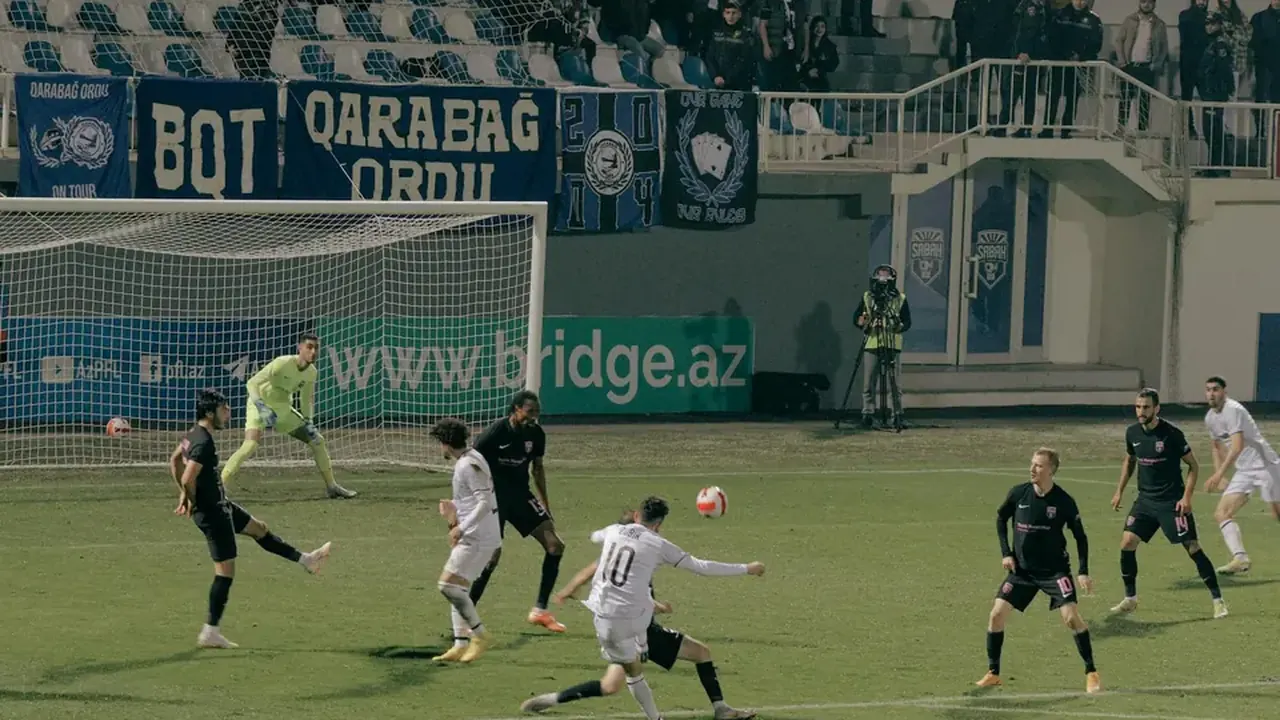
Open play shot accuracy separates attempts during active play from those following dead-ball situations. Set piece shots, including corners and free kicks, often involve headers or deflections that reduce accuracy. A player with significantly higher open play accuracy typically takes most of their shots in fluid attacking sequences rather than structured set pieces.
Counterattack Shot Conversion
Counterattack shot conversion tracks finishing efficiency in transition moments. Counterattacks create numerical advantages and defensive disorganization, theoretically increasing conversion rates. Players who excel in this metric thrive in fast-break systems. Low conversion rates in transition may indicate poor decision-making or technical limitations under pressure.
Deflection Impact on Shots on Target
Deflection impact measures how often a player’s shots are deflected, either onto or off target. Deflections can turn low-quality attempts into goals or ruin well-placed shots. Tracking deflection rates helps contextualize accuracy metrics. A player with high deflection rates may not fully control their shot outcomes, while low deflection rates indicate clean striking technique.
Shot Accuracy vs Top-Six Opponents
Shot accuracy against top-six Premier League opponents isolates performance in high-pressure matches. Defenses from elite clubs compress space and force lower-percentage attempts. A player maintaining accuracy above 35 percent against top-six sides demonstrates composure and technical reliability in difficult circumstances. This metric often correlates with big-game reputation.
What to Check
When evaluating Liverpool player shooting accuracy, compare metrics across multiple seasons to identify trends rather than single-season outliers. Cross-reference shots on target percentage with conversion rate to separate accurate shooters from clinical finishers. Review match-by-match data to spot consistency issues masked by aggregate numbers. Consider contextual factors such as position, tactical role, and opposition quality before drawing conclusions.
For deeper analysis of Liverpool’s attacking output, explore the player profiles and stats hub covering individual performance metrics across all positions. Compare finishing accuracy with creative contribution in the assist providers breakdown. Evaluate how dribbling success influences shot creation in the forwards dribbling analysis.
Reader Comments (0)