

Blocking the Passing Lane
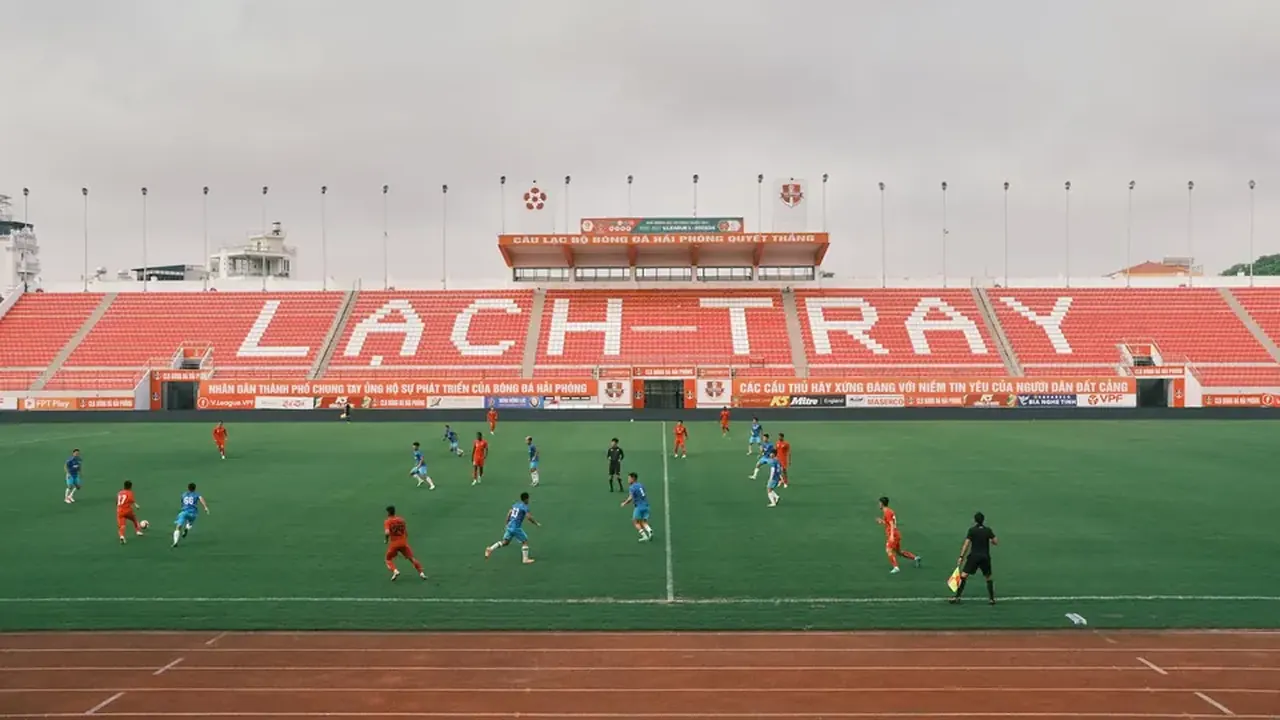
A midfield pressing lane is the passing corridor between two or more opposing players that a pressing team intentionally closes off to force the ball into a predetermined area. Under Arne Slot, Liverpool’s midfield does not chase the ball aimlessly; instead, they position themselves to cut passing options before the receiver even makes a run.
Cover Shadow
The cover shadow is the area behind a pressing player that the ball-carrier cannot safely pass into because the presser’s body position blocks that lane. Slot’s midfielders are drilled to angle their bodies so that one pressing movement simultaneously covers two potential recipients. This reduces the need for sprinting and conserves energy across 90 minutes.
Trigger Moment
A trigger moment is the specific event that initiates a coordinated press—usually a heavy touch, a backward pass, or a ball played into a certain zone. Under Slot, Liverpool’s midfield triggers are often tied to the opponent’s full-back receiving with their back to goal. Once the trigger is pulled, the nearest midfielder accelerates into the lane while teammates shift to close secondary options.
First Pass Denial
First pass denial refers to the immediate attempt to prevent the ball-carrier from playing a forward pass after a turnover. Slot’s midfield is particularly effective at this because they compress the space between the opposition’s midfield and defensive lines, making the first forward option either blocked or too risky.
Compactness
Compactness measures the vertical and horizontal distance between a team’s defensive and midfield units. Under Slot, Liverpool maintain a compact block of roughly 30–35 meters, which forces opponents into sideways or backward passes. When the block is stretched, pressing lanes open; when it is tight, the lanes shrink.
Gegenpressing vs. Controlled Press
While gegenpressing under Jürgen Klopp was a high-intensity, immediate counter-press after losing the ball, Slot’s controlled press is more selective. The midfield waits for the right trigger before engaging, conserving energy but risking giving the opponent time on the ball. The trade-off is fewer sprints but higher success rates per press.
Ball-Oriented Shift
A ball-oriented shift means the entire midfield unit slides toward the ball’s location, maintaining relative distances between players. Slot uses this to keep passing lanes narrow on one side while leaving the far side deliberately open—a trap to funnel play into a congested area where Liverpool can win the ball.

Man-Oriented Press
In a man-oriented press, each midfielder is assigned a specific opponent to track rather than a zone. Slot occasionally uses this in high-leverage situations, such as when the opposition is building from the back. It risks leaving gaps if a midfielder is beaten, but it can disrupt structured build-up play.
Half-Space Pressing
The half-space is the area between the centre-back and full-back on each side. Slot’s midfield often presses in these corridors because they offer the highest danger-to-reward ratio: winning the ball there gives immediate access to the opponent’s defensive line. Liverpool’s midfielders are trained to bend their runs into half-spaces rather than chasing wide.
Pressing Trap
A pressing trap is a deliberately set defensive shape that invites a specific pass, then closes the lane as the ball is in flight. Slot’s midfield often sets a trap by leaving the opposition centre-back unpressured for a moment, then springing the press as he plays to the full-back. The trap relies on timing and coordination across the midfield trio.
Recovery Run
A recovery run is a sprint back toward goal after a pressing attempt fails. Slot demands that midfielders who commit to a press must have the stamina to recover if bypassed. Liverpool’s midfield fitness data (as reported in club training metrics) shows high recovery distances per match, which underpins the system’s resilience.
Passing Lane Identification
Passing lane identification is the pre-scanning process a midfielder does before receiving the ball. Slot’s midfielders are coached to check over their shoulders constantly, identifying which lanes are open and which are closed. This allows them to press more intelligently because they know where the opponent wants to play.
Counter-Press Recovery
Counter-press recovery is the transition from pressing to defending the space behind. When Liverpool loses the ball in midfield, the nearest player presses while others drop into covering positions. Slot’s system emphasises that the counter-press is not just about winning the ball back—it is about buying time for the defensive line to reset.
Vertical Compactness
Vertical compactness refers to the distance between the forward line and the defensive line. Under Slot, Liverpool’s midfield keeps this distance tight—often under 20 meters—so that no opponent can receive the ball between the lines without immediate pressure. When vertical compactness breaks, midfield pressing lanes widen.
Horizontal Compression
Horizontal compression is the narrowing of the pitch from sideline to sideline. Slot’s midfield often compresses to one side, leaving the far flank open but forcing the opponent to play a risky long switch. The midfield then shifts horizontally as the ball travels, closing the intended target.
Pressing Angle
The pressing angle is the direction from which the presser approaches the ball-carrier. Slot teaches his midfielders to approach at an angle that closes one passing lane while keeping the ball-carrier’s body turned away from the other. A poor pressing angle—straight on—allows the opponent to play either side.
Second Ball Press
A second ball press is the immediate pressure applied after a long ball is cleared or a duel is won. Liverpool’s midfield is drilled to anticipate where the second ball will land and to arrive at the same time as the opponent. This prevents the opposition from settling after a clearance.
Defensive Transition Shape
Defensive transition shape is the formation the team takes immediately after losing possession. Slot’s midfield typically forms a 4-4-2 or 4-5-1 within seconds, with the most advanced midfielder pressing and the others filling horizontal lanes. The shape determines which passing lanes are prioritised.
Midfield Rotation in Press
Midfield rotation in press occurs when two midfielders swap pressing responsibilities mid-action. For example, if the left-sided midfielder presses wide, the central midfielder slides left, and the right-sided midfielder tucks inside. Slot uses rotations to maintain compactness even when one midfielder is drawn out of position.
Pressing Distance
Pressing distance is the space between the pressing midfielder and the ball-carrier at the moment of engagement. Slot’s midfielders are instructed to close to within 2–3 meters before committing, reducing the chance of being dribbled past. Pressing from too far out leaves the midfielder unbalanced.
What to Check When Analysing Midfield Pressing Lanes
- Watch the first 10 seconds after a Liverpool turnover: how quickly do the midfielders identify the nearest passing lane?
- Look for the cover shadow: can the pressing midfielder block two options with one body position?
- Note the recovery runs: do midfielders sprint back or jog after a failed press?
- Identify the trigger: what event starts the coordinated press—a backward pass, a heavy touch, or a specific player receiving?
- Measure compactness: is the midfield unit within 30 meters of the defensive line?
Reader Comments (0)