


The midfield engine room at Anfield has undergone more transformations over the past five seasons than any other department. From the high-octane, transitional trio under Jürgen Klopp to the more controlled, possession-based unit under Arne Slot, the evolution has been deliberate but not without its friction points. As the 2025/26 campaign progresses, the question of a structural refresh in central areas has moved from speculative chatter to a near-certain operational priority. With the core of the current midfield—players like Alexis Mac Allister, Dominik Szoboszlai, and Ryan Gravenberch—settled but not without limitations in depth and stylistic variety, the club's recruitment team faces a pivotal summer window. The challenge is not simply to sign talented individuals but to identify profiles that fit Slot's tactical framework: players who can receive under pressure, progress the ball through the thirds, and contribute to a high-pressing structure that has evolved to prioritise verticality over relentless counter-pressing.
The Current State of the Engine Room
Slot inherited a midfield group that was already reshaped by the departures of Jordan Henderson, Fabinho, and James Milner in 2023. The subsequent recruitment of Mac Allister, Szoboszlai, Gravenberch, and Wataru Endō provided technical quality but introduced a different set of tactical questions. Mac Allister operates best as a deep-lying playmaker who can break lines with progressive passes, yet his defensive positioning in transition phases has occasionally left the back four exposed. Szoboszlai offers vertical carry and goal threat from the right half-space but has struggled with consistency in duels and off-ball recoveries. Gravenberch, perhaps the most intriguing profile, combines press resistance with a languid dribbling style that suits Slot's desire to play through pressure—but his defensive engagement remains variable.
The squad currently carries four senior midfielders who can be considered first-choice in a 4-2-3-1 or 4-3-3 base, with Curtis Jones providing a technical but physically limited alternative. Harvey Elliott offers creativity from the right channel but lacks the physical profile for a deeper role. This leaves the squad thin in two critical areas: a defensively disciplined, ball-winning midfielder who can screen the back four, and a progressive carrier who can operate from deeper positions to bypass the first line of opposition pressure. The club's recent transfer windows have focused on long-term planning, and the upcoming summer window carries the weight of addressing these gaps.
Profile 1: The Defensive Screen
The most pressing need, judging by Slot's system adjustments over the last 18 months, is a midfielder who can combine positional discipline with proactive ball recovery. The current midfield lacks a natural destroyer who reads danger before it develops. Mac Allister has been deployed as a number six in several matches, but his strengths lie in distribution rather than defensive organisation. Gravenberch has been trialled in that role but tends to drift laterally, leaving gaps between the lines.
A player who fits the profile of a modern defensive midfielder—capable of covering ground horizontally, engaging in duels in the middle third, and distributing quickly to the full-backs or attacking midfielders—would allow Slot to push Mac Allister higher up the pitch, where his creativity is most dangerous. The ideal candidate would also offer aerial presence, an area where Liverpool have sought to improve set-piece performance.
Several names have circulated in scouting reports, though none with confirmed negotiations. The profile leans towards players in the 22–26 age range with experience in top-five European leagues and a high duel success rate. The club has historically valued versatility in midfield additions, but this specific role demands specialisation. A pure defensive midfielder who can also drop into the back line during build-up would provide tactical flexibility, particularly against teams that press with a front three.
Profile 2: The Vertical Carrier
Slot's attacking structure relies heavily on full-backs and interior midfielders to break lines with carries. Trent Alexander-Arnold's inverted role from right-back has been a key mechanism, but when he is unavailable or when opponents sit in a low block, the midfield's ability to progress the ball through carries becomes crucial. Szoboszlai is the primary carrier from the right half-space, but his output has dipped in the second half of seasons, partly due to the physical demands of the role.
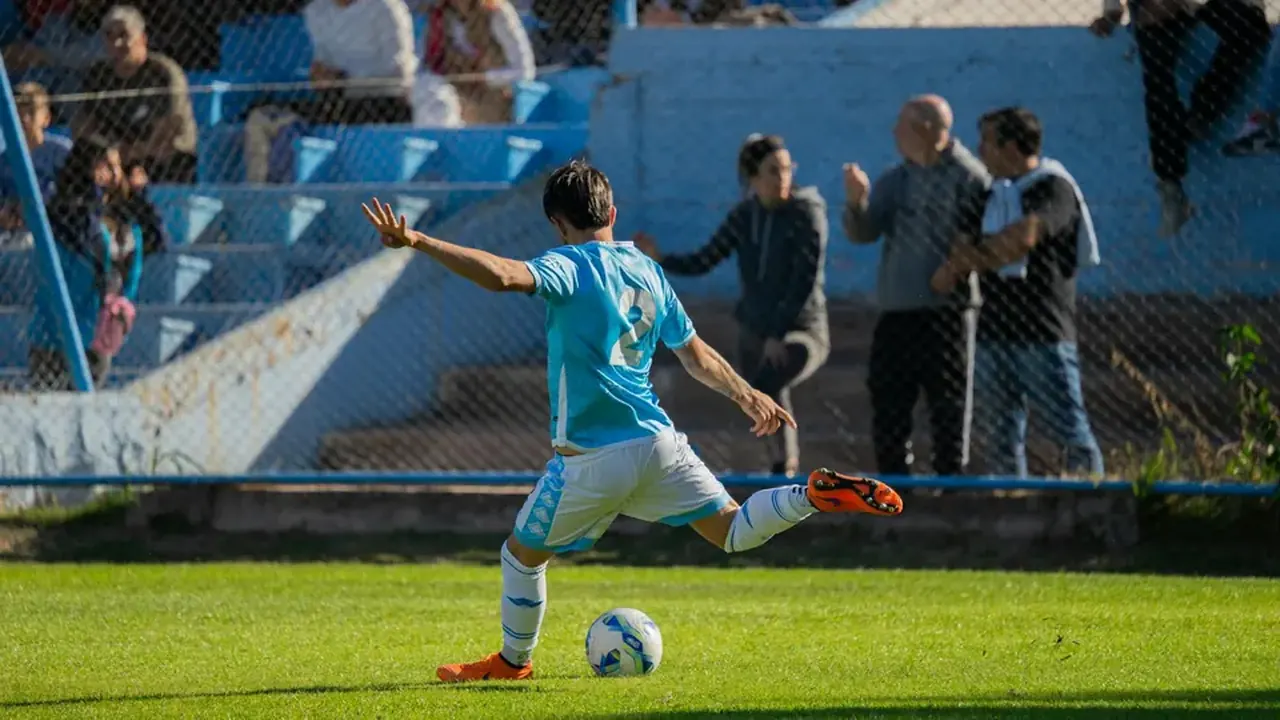
A left-sided interior midfielder who can carry the ball into the final third and combine with the left winger—whether that is Luis Díaz, Cody Gakpo, or a future signing—would add balance. This player would need to be comfortable receiving on the half-turn, accelerating past the first defender, and making late runs into the box. The statistical profile would show high progressive carries per 90 minutes, a strong dribble success rate, and a willingness to shoot from distance.
The challenge here is that players with this profile are among the most expensive in the market. Clubs rarely sell midfielders who combine physicality, technical security, and goal threat unless release clauses or contract situations force their hand. Liverpool's recruitment team has shown a willingness to target players from leagues where the statistical output may not fully capture their potential—such as the Eredivisie, Ligue 1, or the Portuguese league—but the premium for a proven carrier in the Premier League or Bundesliga remains high.
Comparative Table: Current vs. Required Profiles
| Attribute | Current First XI (Midfield) | Required Addition |
|---|---|---|
| Defensive duels per 90 | Moderate (Mac Allister, Gravenberch) | High (screener profile) |
| Progressive carries | High (Szoboszlai, Gravenberch) | Additional left-sided carrier |
| Press resistance | High (Gravenberch, Mac Allister) | Maintain or improve |
| Aerial duels | Variable | Medium (minimum 180cm) |
| Positional discipline | Variable (rotation-heavy) | Consistent (anchor role) |
| Goal contribution from midfield | Moderate | Target increased output from interior roles |
Risk Assessment and Market Realities
The summer 2026 transfer window operates under several constraints that could shape Liverpool's midfield approach. First, the potential departure of Mohamed Salah—whose contract situation has been the subject of ongoing discussion—would free significant wage budget but also remove the club's most consistent goal threat. Any midfield rebuild must account for the possibility that attacking output from the right wing decreases, placing more responsibility on the midfield to contribute goals and assists.
Second, the Champions League qualification status for the 2026/27 season will influence both budget and appeal. A top-four finish provides financial stability and attracts higher-calibre targets. Should Liverpool finish outside the top four, the recruitment team may need to focus on younger, high-potential players who view the club as a development step rather than a final destination. This would align with the club's historical approach under Michael Edwards and the current sporting director structure.
Third, the internal development of academy products like Trey Nyoni and the potential first-team pathway for younger talents discussed in our Ngumoha first-team path analysis could reduce the need for a high-volume midfield overhaul. If one or two academy graduates can fill the squad rotation roles, the club can concentrate its budget on one elite-level addition rather than two or three.
The table below summarises the likely strategy based on different scenarios:
| Scenario | Primary Target Profile | Budget Allocation | Risk Level |
|---|---|---|---|
| Top-four finish, Salah stays | Defensive screen + carrier | High (two additions) | Moderate |
| Top-four finish, Salah leaves | Creative midfielder + carrier | Very high (three additions) | High |
| Outside top four, Salah stays | Young defensive midfielder | Medium (one addition) | Low |
| Outside top four, Salah leaves | Young carrier + experienced loan | Low-Medium (two additions) | Moderate |
System Fit Under Slot
Slot's tactical evolution from his Feyenoord days to Liverpool shows a clear preference for a 4-2-3-1 shape that transitions into a 3-2-5 in possession. The double pivot consists of one player who drops between the centre-backs to initiate build-up and one who pushes higher to receive between the lines. In defensive phases, the midfield compresses into a 4-4-2 block, with the two central midfielders responsible for covering the half-spaces.
The ideal midfield addition would be comfortable in both phases. In possession, they must be able to receive under pressure in the middle third and play forward passes to the attacking line. Out of possession, they must read passing lanes and engage in duels without committing too early. This dual requirement eliminates pure ball-winners who lack technical security and pure technicians who avoid defensive responsibility.
The 2026 midfield rebuild is not about discarding the current group but about adding complementary profiles that allow Slot to vary his approach based on the opponent. Against low-block teams, the need for a carrier who can draw defenders and create space is paramount. Against high-pressing teams, the need for a press-resistant screener who can recycle possession is equally critical. One signing cannot solve both problems, but a well-chosen addition can tilt the balance significantly.
Conclusion: A Deliberate Evolution
The midfield rebuild of 2026 is unlikely to be a dramatic overhaul. The core of Mac Allister, Szoboszlai, and Gravenberch remains strong, and the depth provided by Jones, Elliott, and Endō offers tactical variety. The missing piece is a specialist—either a defensive anchor or a progressive carrier—who can elevate the unit from competitive to dominant. The club's recruitment history suggests a preference for players who are undervalued by the market but fit the system's specific demands. Whether that player comes from a top-five league or a secondary market depends on the summer's financial realities and competitive positioning.
For a deeper look at the broader transfer strategy and how the midfield fits into the club's priorities, see our transfers analysis hub and the winter window priorities breakdown. The next six months will determine whether Liverpool's midfield evolves into a unit that can challenge for the highest honours or remains a work in progress that requires another window of adjustment.
Reader Comments (0)