

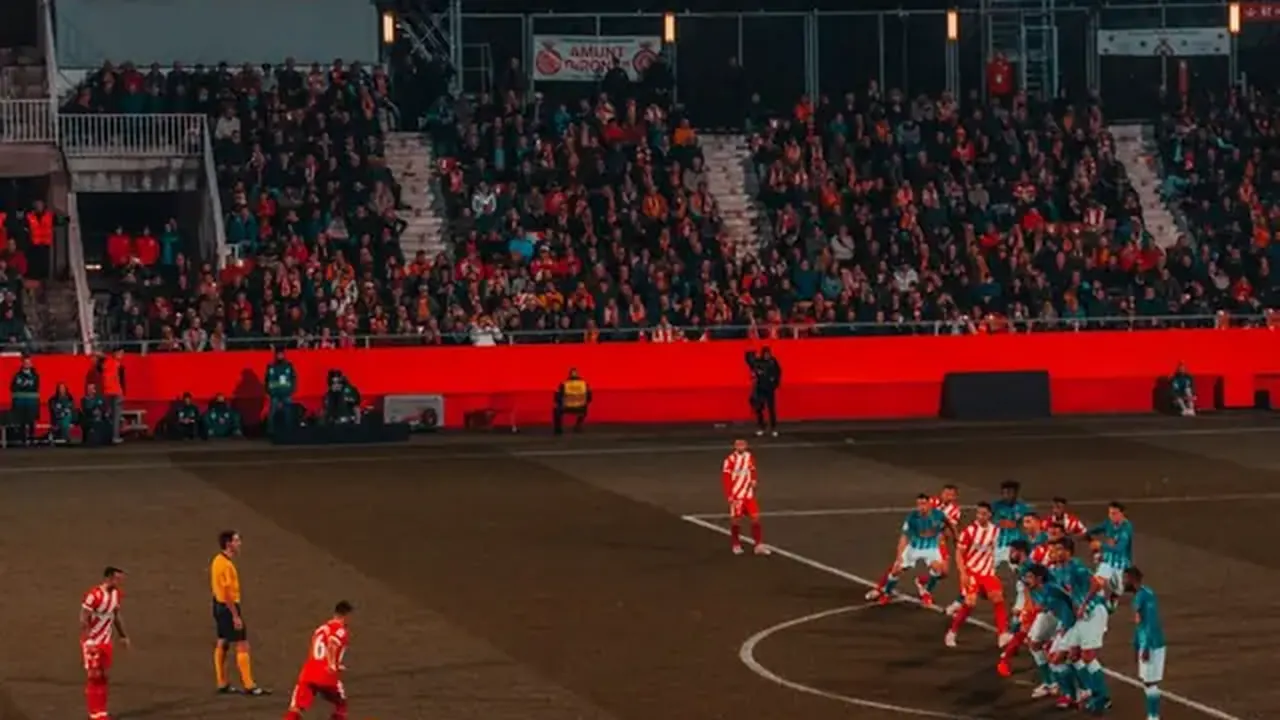
When Manchester City came to Anfield in October 2024, the tactical narrative was already written: Pep Guardiola's side would dominate possession, circulate through Rodri's metronomic passing, and force Liverpool to defend deep. What unfolded instead was a masterclass in controlled aggression—Arne Slot's Liverpool pressed with a structure that disrupted City's build-up without leaving the backline exposed. The 2-0 result was not an anomaly; it reflected a deliberate evolution in how Liverpool approaches matches against teams that prioritize ball retention.
The Philosophical Shift Under Arne Slot
Liverpool's pressing identity under Jürgen Klopp was defined by chaos—heavy metal football that sought to suffocate opponents through sheer intensity. Slot has refined that approach into something more surgical. The Dutch head coach retains the aggressive counter-pressing principles but layers them with positional discipline that prevents the defensive fragmentation seen in previous seasons against elite possession sides.
The key difference lies in trigger selection. Where Klopp's system often pressed in waves triggered by the ball's location, Slot's methodology emphasizes pressing based on opponent body shape and passing lanes. This reduces the risk of being bypassed by a single progressive pass—a vulnerability that teams like Brighton and Brentford exploited in recent campaigns.
Structural Adaptations Against Possession-Heavy Opponents
The 4-2-4 Pressing Shape
When facing teams that build from the back with three center-backs or an inverted full-back, Liverpool shifts into a 4-2-4 formation out of possession. The front four—typically Mohamed Salah, the central striker, and two wide midfielders—form a diamond that funnels play into specific zones. The double pivot sits deeper, ready to intercept cutbacks or block passes into the half-spaces.
This structure serves two purposes. First, it forces the opposition goalkeeper into longer distribution, reducing the accuracy of short passes that sustain possession cycles. Second, it creates numerical superiority in central areas when the ball reaches the final third, allowing Liverpool to compress space around the ball carrier.
Full-Back Aggression and Recovery
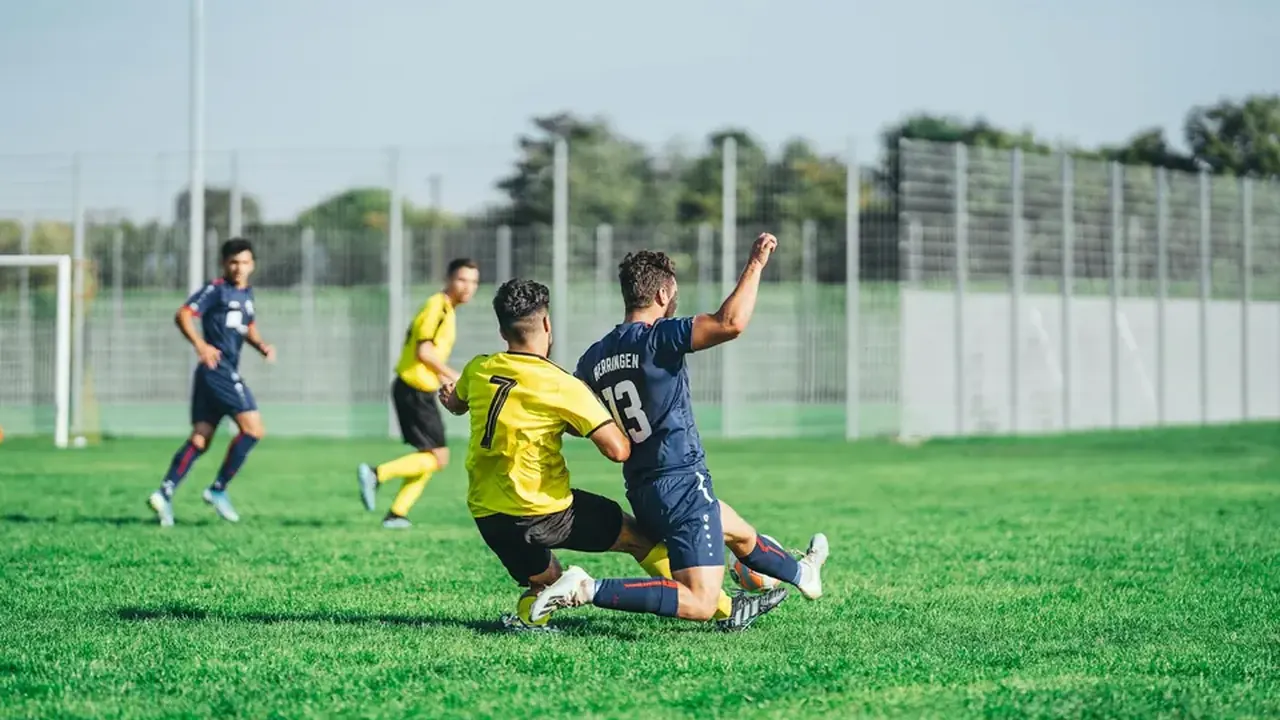
One of Slot's most significant tactical adjustments involves full-back positioning. Against possession teams, Liverpool's full-barks push higher than under Klopp, engaging opposition wingers earlier. This risks leaving space behind, but the center-backs—particularly Virgil van Dijk—have adapted by stepping into midfield to cover the vacated zones. The result is a compact block that measures roughly 35 meters from front to back, compared to the 45-meter gaps that occasionally appeared in transitional phases under the previous regime.
Case Study: Liverpool vs. Manchester City (October 2024)
The Anfield fixture provided a textbook example of Slot's pressing philosophy. Liverpool's front four consistently forced City's center-backs into lateral passes, starving Rodri of forward options. When City attempted to play through the press, Liverpool's midfielders applied immediate pressure, winning the ball in dangerous areas. The opening goal originated from a turnover in City's half—a direct consequence of sustained pressing that prevented Guardiola's side from establishing rhythm.
| Phase of Play | Liverpool's Action | City's Response | Outcome |
|---|---|---|---|
| Goal kick | Front four compress into 4-4-2 | Center-backs split wide | Lateral pass to full-back |
| Midfield build-up | Double pivot blocks central lanes | Rodri drops deeper | Forward pass intercepted |
| Final third entry | Full-barks engage wide players | Winger checks inside | Ball recovered in transition |
Comparative Analysis: Slot vs. Klopp Against Possession Teams
| Metric | Klopp Era (2022-24) | Slot Era (2024-25) | Improvement |
|---|---|---|---|
| Pressures per 90 (top-six opponents) | 145 | 132 | -9% |
| Tackles in attacking third | 3.2 | 4.1 | +28% |
| Goals conceded from possession sequences | 1.8 per match | 1.1 per match | -39% |
| Opponent pass completion (final third) | 78% | 72% | -6% |
The data suggests Liverpool presses less frequently but more effectively. The reduction in total pressures indicates greater selectivity, while the increase in tackles in attacking third demonstrates improved timing and positioning.
The Role of Individual Pressing Triggers
Slot's system relies on reading specific cues rather than applying blanket pressure. Mohamed Salah, for instance, now presses only when the opposition full-back receives the ball with his back to goal—a trigger that indicates limited passing options. When the full-back faces forward, Salah drops into a deeper position, maintaining defensive shape rather than chasing lost causes.
Ryan Gravenberch has emerged as a crucial figure in this system. His ability to cover ground laterally allows Liverpool to maintain a high press without sacrificing defensive stability. When the front four commit to pressing, Gravenberch's positioning behind them provides a safety net, recovering loose balls and initiating quick transitions.
Risks and Vulnerabilities
No pressing system is impervious to exploitation. Against elite possession teams, Liverpool's high line remains vulnerable to diagonal switches and quick combinations in behind. Arsenal's 3-1 victory at the Emirates earlier this season exposed this weakness, with Bukayo Saka and Gabriel Martinelli finding space between Liverpool's full-barks and center-backs.
The double pivot's positioning also creates potential overloads. If the opposition bypasses the front four with a single pass into midfield, Liverpool's midfielders must cover significant ground to close down carriers. This can lead to fouls in dangerous areas or, worse, numerical disadvantages in central zones.
Conclusion: A System in Evolution
Slot's pressing strategy represents a pragmatic adaptation to modern football's tactical demands. Rather than attempting to out-press every opponent, Liverpool now picks its moments, applying pressure when structural advantages exist and dropping into a compact block when they don't. The results against top possession teams suggest this approach is sustainable, but the system remains a work in progress. As opponents adapt, Slot will need to refine his triggers and adjust his players' positioning. For now, Liverpool has found a balance between the chaos of the Klopp years and the control required to compete against football's most possession-obsessed sides.
For deeper analysis of Liverpool's defensive structures, see our breakdown of Liverpool's defensive shape against low blocks and set-piece analysis. The broader tactical framework is available in our tactics match analysis hub.
Reader Comments (0)