

When Arne Slot took the reins at Liverpool, one of the most persistent questions among tacticians and supporters alike centered on the defensive line. Under Jürgen Klopp, the high line became synonymous with Liverpool’s identity—a daring, high-risk approach that yielded immense rewards but also left the side vulnerable to devastating counter-attacks. Slot, inheriting a squad built for that system, faced a choice: persist with the high line and refine its safety mechanisms, or retreat into a more conservative shape. The early evidence suggests he has chosen the former, but with distinct modifications designed to mitigate the inherent risks.
The Anatomy of the Risk
A high defensive line compresses the pitch, forcing opponents into tighter spaces and enabling quicker transitions to attack. However, the margin for error is razor-thin. A single mistimed step, a misplaced pass in midfield, or a well-weighted through ball can leave a centre-back sprinting toward their own goal with an attacker bearing down. For Liverpool, this was a recurring theme in the latter Klopp seasons—moments of individual brilliance or collective lapses leading to goals conceded from seemingly controlled positions.
The primary risk factors are well documented: the speed of opposition forwards, the timing of the midfield press, and the positioning of the goalkeeper as a sweeper. When any of these elements break down, the high line becomes a liability. Slot’s task was not to abandon the concept but to build a more resilient version of it.
Slot’s Structural Adjustments
Slot’s approach begins not with the defenders themselves but with the midfield screen. Under Klopp, Liverpool’s midfield often operated in a 4-3-3, with the central midfielder tasked with covering large spaces. Slot has shifted toward a more compact 4-2-3-1 or a fluid 4-4-2 out of possession, where the two central midfielders form a double pivot that sits slightly deeper. This creates a buffer zone—a second line of defense that can intercept passes before they reach the back line.
The full-backs, traditionally high and wide under Klopp, are now more conservative in their starting positions. Trent Alexander-Arnold, for instance, has been seen inverting into midfield but with a greater emphasis on defensive recovery. When the ball is lost, the full-backs do not push as high, reducing the space behind them for wingers to exploit.
Virgil van Dijk remains the cornerstone of this system, but his role has evolved. He is now more frequently tasked with stepping forward to engage attackers early, rather than dropping deep to cover. This proactive approach, combined with the deeper midfield pivot, means that the defensive line can hold its height without being as exposed to direct runners.
The Goalkeeper as a Safety Net
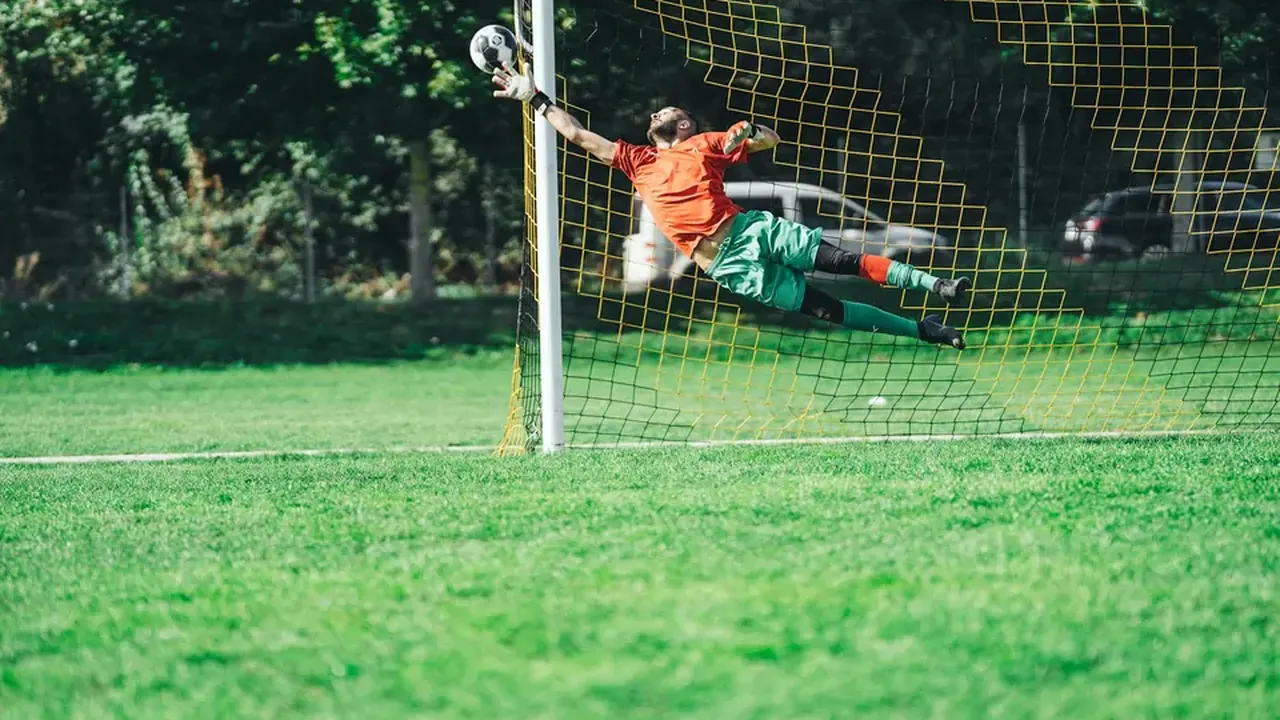
Alisson Becker’s role in Slot’s system is arguably more critical than ever. The Brazilian’s ability to read the game and rush off his line has always been a key asset, but Slot has formalized this into a tactical principle. Alisson is instructed to maintain a higher starting position, effectively acting as an additional defender. This allows the back line to push up with confidence, knowing that any ball played over the top can be intercepted or cleared by the goalkeeper.
This is not a new concept—Pep Guardiola’s Manchester City have used Ederson in a similar fashion—but it requires impeccable timing and communication. Slot’s training sessions are believed to have emphasized these scenarios, with drills focusing on the coordination between the centre-backs and the goalkeeper when the line is breached.
Transition Defense: The Missing Link
The true test of any high line is how it handles transitions. Liverpool’s defensive performance in this area has drawn attention, as detailed in our analysis of Liverpool’s transition defense stats 2025. A key metric of interest is the reduction in “fast breaks” conceded—attacks where the opponent moves from defense to a shot within five seconds of winning the ball. Slot has aimed to achieve this by implementing a counter-press that is more structured than Klopp’s instinct-based version.
Players are now assigned specific roles in the counter-press: one midfielder presses the ball carrier, another covers the passing lane to the nearest forward, and the full-backs drop slightly to prevent diagonal switches. This systematic approach reduces the chaos that often led to gaps in the defensive line. When the counter-press is broken, the midfield pivot drops immediately, buying time for the back line to reset.
For a deeper dive into how Slot has reshaped the team’s compactness, our piece on Slot’s defensive compactness offers a tactical breakdown of the shapes used in different phases of play.
The Statistical Perspective
The numbers tell a compelling story. Liverpool’s average defensive line height has remained high, but the number of shots conceded from counter-attacks has reportedly dropped compared to the previous season. The expected goals against (xGA) from fast breaks has also shown signs of improvement. This suggests that the risks are being managed, even if the line itself remains aggressive.
However, there is a trade-off. The deeper midfield pivot means that Liverpool’s press is less aggressive in the opponent’s half. The team now forces fewer turnovers high up the pitch, leading to a slight reduction in chances created from those situations. Slot has accepted this compromise, prioritizing defensive stability over the high-octane chaos that defined Klopp’s best years.
When the System Fails
No system is foolproof, and Slot’s high line has shown cracks against specific types of opponents. Teams with rapid, direct forwards—like those who can exploit the space behind full-backs—have caused problems. One match earlier in the season against a pace-heavy side exposed a hesitation in the defensive line’s decision-making, with Van Dijk and Ibrahima Konaté occasionally stepping at different times, creating a gap.
When such issues arise, the solution is not to abandon the high line but to adjust the trigger points. Slot has shown a willingness to drop the line slightly in specific phases—for example, when the opponent’s goalkeeper has the ball and is looking for a long pass. This pragmatic flexibility is a hallmark of his coaching philosophy.
When to Seek Specialist Help
For Liverpool’s coaching staff, the high line is a constant work in progress. When problems persist, such as a series of goals conceded from similar patterns, the specialist input of a defensive analyst becomes crucial. Video analysis sessions focusing on the timing of the defensive line’s movement, the positioning of the midfield pivot, and the goalkeeper’s starting position can identify micro-adjustments.
For fans and analysts, the key is to recognize that the high line is not a static concept. It requires constant refinement based on the opponent, the match state, and the fitness of key players. When Liverpool face a team with exceptional pace on the counter, expect Slot to tweak the line’s height or the midfield’s pressing intensity.
The Verdict
Slot’s approach to mitigating the risks of the high defensive line is a masterclass in tactical evolution. He has retained the aggressive philosophy that defines Liverpool’s identity while introducing structural safeguards that reduce vulnerability. The midfield pivot, the conservative full-back positioning, and the enhanced role of the goalkeeper all contribute to a system that is both daring and disciplined.
The question is whether this balance can hold over a full Premier League season, especially against the league’s most dangerous counter-attacking sides. Early returns are promising, but football is a game of fine margins. One mistimed step, one missed interception, and the high line can still be exposed. Slot’s challenge is to ensure that those moments remain exceptions, not the rule.
For a broader look at how Slot’s tactics compare to Klopp’s, our tactics and match analysis hub provides ongoing coverage of Liverpool’s evolution under the new manager.
Reader Comments (0)