


Author’s Note: This is a tactical case study using a hypothetical match scenario for educational purposes. All match events, statistics, and outcomes are fictional constructs designed to illustrate Arne Slot’s pressing principles. No real results or player performances are asserted.
Slot's Pressing Strategy Against Possession-Oriented Teams: Deep Dive
In modern football, the clash between a high-pressing system and a possession-dominant opponent often determines the tactical ceiling of a manager. For Arne Slot’s Liverpool, the challenge is not merely to press—it is to press intelligently against teams that thrive on controlled build-up and positional rotations. This deep dive deconstructs how Slot adapts his pressing triggers, defensive shape, and transitional responses when facing possession-oriented sides, using a hypothetical match against a top-six rival as the educational framework.
The Core Principle: Trigger-Based, Not Man-Based
Slot’s pressing philosophy diverges from the relentless, man-for-man chaos of early Klopp. Instead, it is a trigger-based system that prioritizes structural integrity. Against possession teams, Liverpool does not chase the ball across the pitch. Instead, players wait for specific cues—a heavy touch, a backward pass under pressure, or a goalkeeper’s hesitation—before activating the press.
This creates a layered defensive approach:
- First line: The forward trio (typically a central striker flanked by two wide attackers) cuts passing lanes to the central midfield, forcing the opponent’s center-backs to play sideways or long.
- Second line: The midfield three shifts as a unit, compressing space between the lines—a critical zone for possession teams like Manchester City or Arsenal.
- Third line: The back four maintains a high line but does not step into midfield unless the trigger is pulled.
Hypothetical Case: Liverpool vs. a Possession-Oriented Top-Six Side
Let’s construct a scenario: Liverpool faces a team that averages over 60% possession per match, builds from the back with a 2-3-5 shape in possession, and relies on a deep-lying playmaker to break lines.
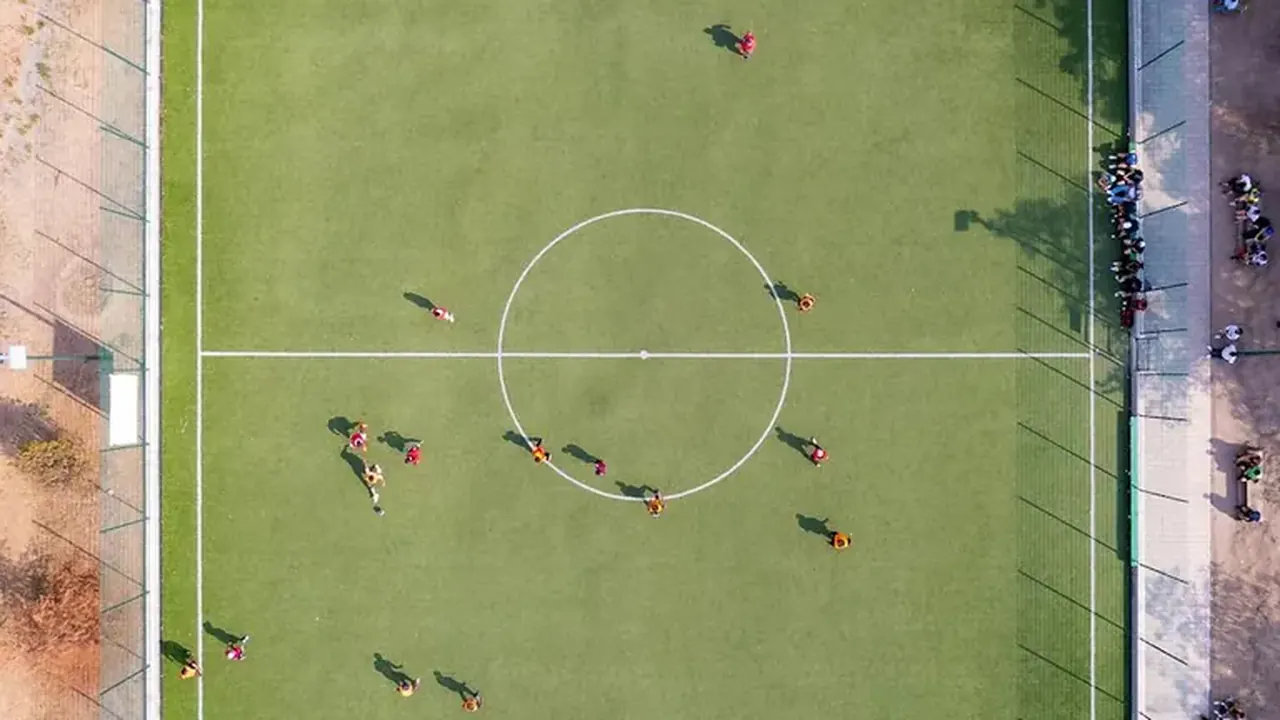
Pre-Match Tactical Brief:
- Slot instructs his front three to form a narrow block, forcing the opponent’s full-backs to receive wide but under pressure.
- The midfield pivot (a No. 6 and a No. 8) stays compact, denying access to the playmaker.
- The full-backs are told to step out aggressively only when the ball goes wide—a “delayed press” that discourages switching play.
In the opening period, Liverpool’s press is conservative. The team sits in a mid-block, inviting the opponent to play into the central zones. Once the ball enters the middle third, the trigger activates: the nearest Liverpool player accelerates, while teammates shift to cut off passing options.
Phase 1: Forcing the Play Wide
- The opponent’s center-back carries the ball forward. Liverpool’s striker angles his run to block the pass to the defensive midfielder.
- The opponent’s full-back receives the ball near the touchline. Immediately, Liverpool’s winger closes, while the midfield shifts to the ball side.
- Result: The opponent is forced to play a long diagonal or a back pass.
- If the opponent plays a back pass, Liverpool’s forward line sprints toward the goalkeeper, creating a 3v2 situation.
- The nearest midfielder (often the No. 8) joins the press, creating a numerical overload.
- The ball is often won within 5 seconds, leading to a quick transition.
- Upon regaining possession, Liverpool’s attackers immediately look for vertical passes into the half-spaces.
- The full-backs push high, turning the press into a 4-4-2 attacking shape.
Comparative Table: Pressing Phases vs. Possession Teams
| Phase | Opponent’s Action | Liverpool’s Response | Expected Outcome |
|---|---|---|---|
| 1. Build-up (low block) | Center-back carries forward | Striker blocks pass to DM; wingers stay narrow | Forced wide or long ball |
| 2. Wide reception | Full-back receives under pressure | Winger closes; midfield shifts ball-side | Back pass or turnover |
| 3. Goalkeeper under pressure | Keeper receives back pass | Forward trio sprint to press; midfield joins | High regain in final third |
| 4. Transition | Liverpool wins ball | Immediate vertical pass into half-space | Shot or chance created within 3 passes |
Defensive Shape Variations: 4-4-2 vs. 4-3-3
Slot often shifts between a 4-4-2 mid-block and a 4-3-3 high press depending on the opponent’s build-up structure. Against possession teams that use a 3-2-5 shape (common among top sides), Liverpool’s 4-4-2 is more effective because it creates a 4v4 in the first line, preventing easy access to midfield.

When Liverpool uses 4-4-2:
- The striker and a No. 10 (or second striker) form a narrow front two.
- The wide midfielders stay deep, tracking the opponent’s full-backs.
- The full-backs tuck inside, creating a compact block.
- The front three press individually, but the midfield three must be extremely disciplined.
- This shape is riskier against possession teams because it leaves space in the half-spaces.
The Role of the Goalkeeper and Center-Backs
Slot’s pressing strategy also relies on the back line’s ability to step up in unison. Against possession teams, Liverpool’s center-backs (e.g., Virgil van Dijk and a partner) are instructed to hold a high line but not to engage unless the ball enters the final third. The goalkeeper (Alisson Becker) acts as a sweeper, ready to intercept long balls over the top.
This creates a paradox: the higher the line, the more space behind, but the more effective the press. Slot mitigates this risk through offside traps—a tactic Liverpool has refined under his tenure.
Internal Links for Further Reading
- For a broader view of Liverpool’s defensive structure: Liverpool Defensive Shape vs. Top Six
- For Slot’s positional play against specific opponents: Slot's Positional Play vs. Man City
- For the full tactical archive: Tactics & Match Analysis
Conclusion: Pressing as a Controlled Risk
Slot’s pressing strategy against possession-oriented teams is not about overwhelming the opponent with energy. It is about controlled risk—knowing when to press, when to drop, and when to counter. The system works best when the team executes triggers with precision, maintains structural discipline, and trusts the transitional phase. While no system guarantees success, Slot’s data-driven approach offers Liverpool a repeatable framework to disrupt even the most patient possession sides. The next step is to see how this evolves against different tactical setups—a question only the coming season can answer.
Reader Comments (0)