

Robbie Fowler: 'God' of Anfield and Natural Finisher
The Boy from Toxteth
Robbie Fowler wasn't just a striker. He was the embodiment of raw, Scouse talent that erupted from Liverpool's youth system in the early 1990s. Born in the Toxteth area of Liverpool, Fowler joined the club's academy as a schoolboy and quickly became the most talked-about finisher in English football. His debut season in 1993/94 announced a generational talent, with a notable performance including a hat-trick in his first full start. The Kop didn't just cheer him; they adopted him, chanting his name with a reverence reserved for the very few. The nickname "God" stuck, not as a marketing gimmick, but as a genuine expression of adoration from supporters who recognised something special.
Natural Finisher Defined
What made Fowler so devastating was his instinct in the penalty area. He didn't need multiple touches. A single glance at the goalkeeper's positioning, a slight shift of the body, and the ball was in the net. His finishing was clinical, often first-time, and remarkably consistent. In the 1994/95 season, he scored prolifically across all competitions, including a record-breaking fast hat-trick against Arsenal—at the time the fastest in Premier League history. Fowler's movement was intelligent, always anticipating where the ball would drop, and his composure in one-on-one situations was almost unnatural for a player so young.
Goals, Records, and Rivalry
Fowler's goal-scoring record at Liverpool is extraordinary. He ranks among the club's all-time top scorers, with a high number of goals in many appearances. He won the Premier League Golden Boot in multiple seasons, and his partnership with Stan Collymore in the mid-90s terrorised defences across the country. The rivalry with Manchester United's Eric Cantona added extra spice to every Merseyside-Red Devils clash. Fowler's hat-trick against Manchester United in a memorable draw at Anfield in 1995 remains one of the most memorable individual performances in the fixture's history.
The Anfield Connection
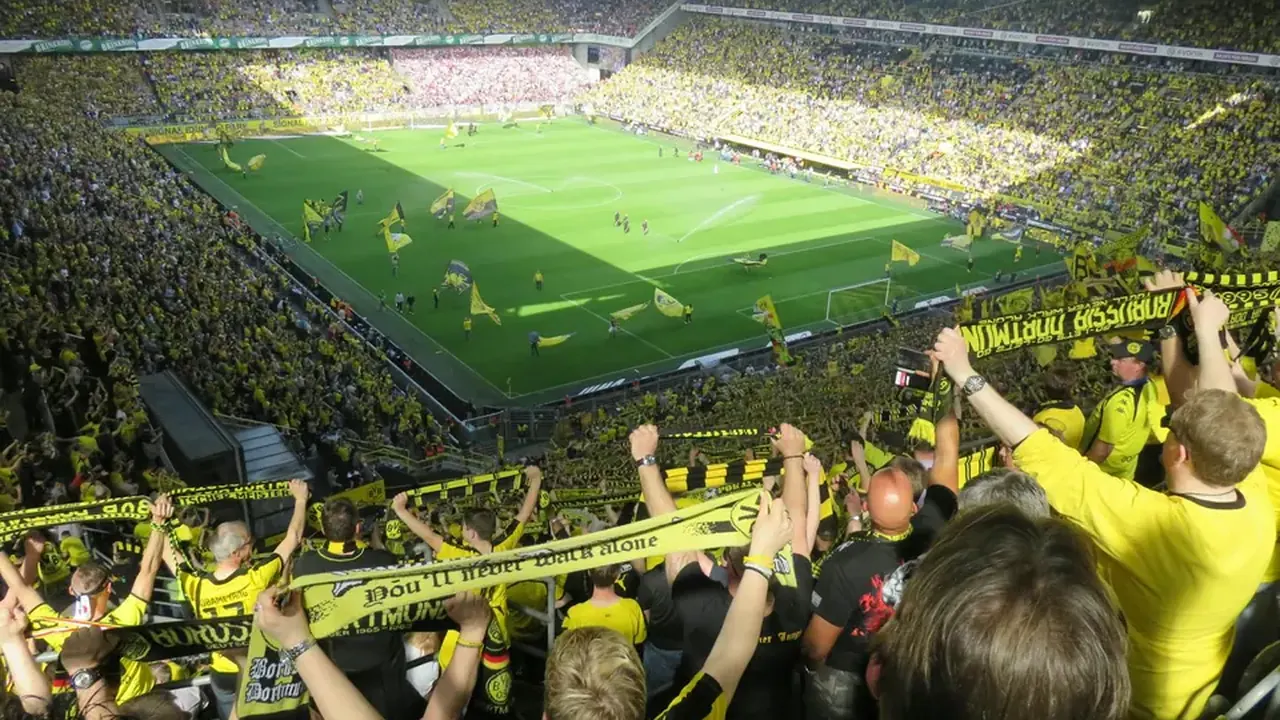
Fowler's relationship with the Kop was symbiotic. He understood what it meant to play for Liverpool, and the supporters responded in kind. His celebration after scoring against Everton in 1995—sniffing the white line of the penalty area—was a cheeky response to accusations of cocaine use, but the Kop loved it. It was pure Fowler: irreverent, confident, and deeply connected to the city. He wasn't just a player; he was one of them, living the dream every Scouse kid shared.

Injuries and Departure
The late 1990s brought injuries that began to limit Fowler's explosiveness. Persistent hip and groin problems reduced his pace and sharpness, and the emergence of Michael Owen changed the dynamics of Liverpool's attack. In 2001, after helping Liverpool win a treble of the League Cup, FA Cup, and UEFA Cup, Fowler was sold to Leeds United. The departure was painful for both player and club. Fowler had hoped to stay, but the financial realities of football and the need to rebuild forced the move.
Return and Legacy
Fowler returned to Liverpool in January 2006 on a short-term loan from Manchester City, scoring a memorable goal on his second debut. He later made a permanent return, but by then, his role was as a squad player rather than the talisman he had been. His final Liverpool appearance came in 2007, and he retired from professional football in 2008. Fowler's legacy, however, remains intact. He is remembered as one of the most natural finishers the Premier League has ever seen, a player whose talent was matched only by his love for the club.
What to Check
- Official statistics: Fowler's goal tally is recorded across multiple sources, but always refer to Liverpool FC's official historical records for accuracy.
- Match footage: Many of Fowler's finest moments are available on the club's official YouTube channel, including the fast hat-trick against Arsenal.
- Biographies: Fowler's autobiography, Fowler: My Autobiography, provides first-hand insight into his career and relationship with Liverpool.
- Club records: Liverpool FC's official website maintains a comprehensive history section with verified statistics.
Reader Comments (0)