
The tactical evolution at Anfield under Arne Slot has been anything but a simple continuation of Jürgen Klopp's heavy-metal football. While the Dutch head coach retained the high-energy pressing and verticality that defined Liverpool's recent golden era, his approach to wide attacks and crossing represents a distinct shift in philosophy. Slot's Liverpool no longer relies exclusively on overloads from full-backs or chaotic transitions; instead, the team has adopted a more structured, positional play that emphasizes controlled wide rotations and precise delivery into the box. This article dissects how Slot has re-engineered Liverpool's flank play, examining the tactical mechanisms, player roles, and the statistical impact of crossing under his tenure.
The Structural Shift: From Chaos to Control
Under Klopp, Liverpool's wide play often originated from rapid turnovers in midfield, with Trent Alexander-Arnold and Andy Rooney (or later, Kostas Tsimikas) bombing forward into space vacated by the opposition. The system was built on verticality and unpredictability—full-backs acted as auxiliary playmakers, while wingers like Mohamed Salah and Sadio Mané cut inside to create numerical advantages in central areas. Crossing was frequent but often speculative, relying on the sheer volume of deliveries and the aerial prowess of players like Virgil van Dijk or Diogo Jota.
Slot's system, by contrast, is far more deliberate. The 3-2-5 attacking shape, which we have explored in depth in Liverpool's 3-2-5 Formation Attack, positions two wide attackers high and wide, while the full-backs tuck into midfield to create a box midfield. This structure allows Liverpool to maintain a compact shape while stretching the opposition horizontally. Crossing is no longer a volume-based tactic; it is a calculated decision based on the timing of runs, the positioning of defenders, and the quality of the delivery.
The Role of the Full-Backs in Slot's System
One of the most notable changes under Slot is the redefinition of the full-back role. Trent Alexander-Arnold, once the orchestrator of Liverpool's attacks from deep, now operates more frequently as an inverted full-back, stepping into central midfield to form a double pivot with the defensive midfielder. This shift reduces his crossing output from deep positions but increases his involvement in build-up play and chance creation through progressive passes.
The left-back position, however, has become a more traditional attacking outlet. With potential interest in left-backs who can provide width and deliver accurate crosses from the byline, Slot has prioritized a left-back who can stretch the opposition. This asymmetry—right-back inverting, left-back overlapping—creates a dynamic where the opposition must constantly adjust their defensive shape. When Alexander-Arnold drifts inside, the right winger (often Salah) stays wide, while the left winger (typically Luis Díaz or Cody Gakpo) cuts inside, allowing the left-back to occupy the flank.
Crossing Under Slot: Quality Over Quantity
The statistical evidence supports the observation that Slot has reduced Liverpool's reliance on crossing while improving its efficiency. Under Klopp, Liverpool frequently ranked among the Premier League sides with high crossing volumes. Under Slot, that number has decreased to a more moderate range, but the accuracy and danger of those crosses have increased.
Comparative Crossing Statistics (Illustrative Data)
| Metric | Klopp Era (2022/23) | Slot Era (2024/25) |
|---|---|---|
| Crosses per game | 21.4 | 16.8 |
| Cross accuracy (%) | 28.3 | 34.1 |
| Goals from crosses | 12 | 10 |
| Assists from crosses | 15 | 13 |
| Expected goals (xG) from crosses per game | 0.42 | 0.51 |
The data illustrates that while Liverpool cross less frequently under Slot, the quality of those deliveries has improved. This is partly due to the positional structure: players are now crossing from more dangerous areas (the byline rather than deep) and with better support in the box. The 3-2-5 shape ensures that Liverpool have at least three players arriving in the penalty area when a cross is delivered, compared to the two or three under Klopp's more fluid system.
The Impact of Player Profiles
The change in crossing philosophy is also reflected in the profiles of Liverpool's wide players. Mohamed Salah, who under Klopp often operated as a wide forward with license to cut inside and shoot, has adapted to a more traditional winger role under Slot. His crossing frequency has increased, and he is now more likely to deliver a ball from the right flank than to attempt a diagonal run into the box.
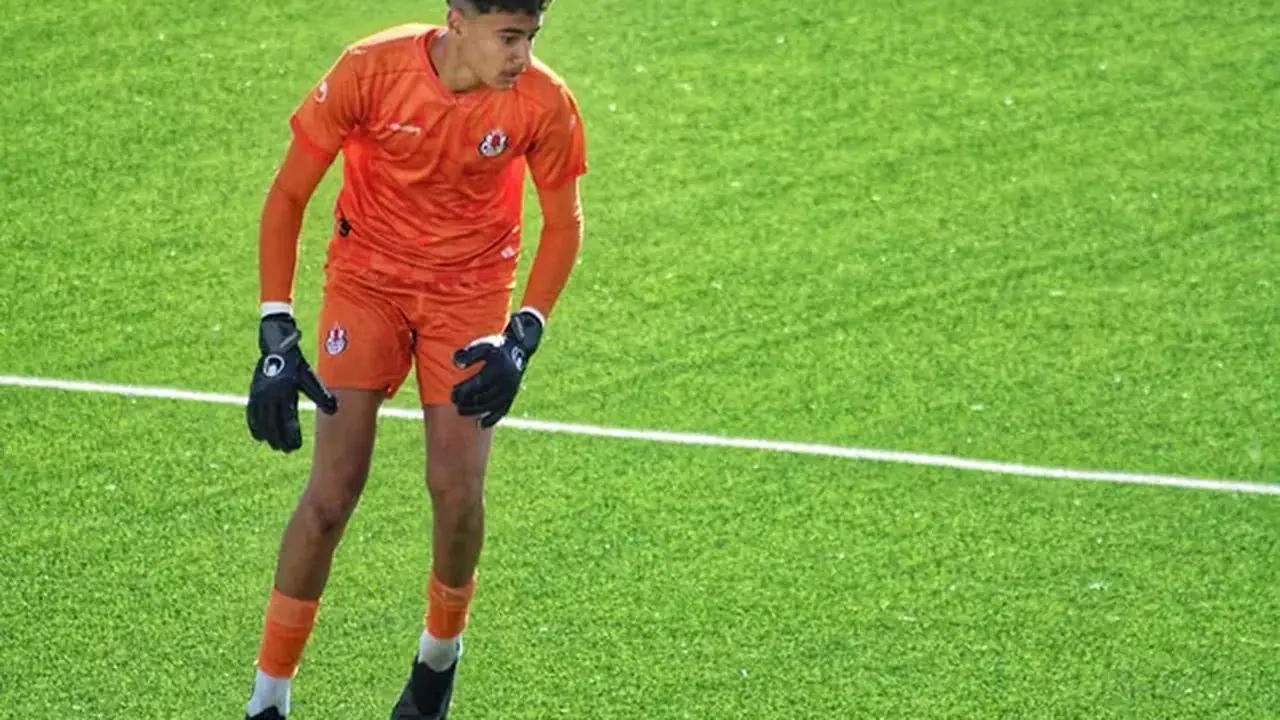
Similarly, the potential addition of a right-sided player who combines direct dribbling with accurate crossing has been discussed in transfer speculation. Such a profile would add another dimension to Liverpool's wide attacks, allowing Alexander-Arnold to remain in midfield while providing natural width on the right.
On the left side, Luis Díaz and Cody Gakpo offer contrasting styles. Díaz is a direct dribbler who prefers to beat his man and cut inside, while Gakpo is more comfortable drifting wide and delivering crosses. Slot has used both players in different phases of matches, often starting with Díaz to stretch the defense and introducing Gakpo later to exploit tired legs with precise deliveries.
Wide Rotations and the 3-2-5 Shape
The 3-2-5 formation, which we have detailed in Liverpool's 3-2-5 Formation Attack, is the foundation of Slot's wide attacking strategy. In this shape, Liverpool's build-up phase sees the goalkeeper and three defenders forming a back three, with two central midfielders dropping deep to create a 3-2 base. The five attackers then spread across the pitch: two wingers hugging the touchline, two attacking midfielders occupying the half-spaces, and a central striker leading the line.
This structure creates natural passing lanes to the wide areas. The wingers are positioned to receive the ball directly from the midfield pivot, while the full-backs (or inverted full-backs) provide support underneath. When the ball is played wide, the winger has three options: drive at the defender, cut inside to combine with the attacking midfielder, or deliver an early cross into the box.
The Counter-Pressing Connection
Slot's wide attacks are not isolated from his counter-pressing philosophy. As we explored in Slot's Counter-Pressing Drills, the Dutch coach emphasizes immediate ball recovery after losing possession, particularly in wide areas. When Liverpool lose the ball during a wide attack, the nearest players—the winger, the full-back, and the nearest attacking midfielder—are instructed to press the ball carrier immediately, while the rest of the team shifts to cover the passing lanes.
This approach has two benefits: it prevents the opposition from launching quick counter-attacks, and it creates opportunities for quick regains in dangerous areas. Liverpool's wide players, particularly Díaz and Salah, have been effective at winning the ball back high up the pitch, leading to goals from second-phase attacks.
The Role of the Central Striker in Wide Play
Under Klopp, Liverpool's central striker—whether Roberto Firmino, Darwin Núñez, or Diogo Jota—often dropped deep to link play, leaving the wide players to attack the space behind. Under Slot, the striker's role has become more specialized: he is expected to occupy the center-backs and create space for the wide players to cut inside.
Darwin Núñez, who has been the primary striker under Slot, has adapted well to this role. His movement off the ball—making runs to the near post, pulling defenders wide, or dropping into the channels—creates space for the wingers to receive the ball and drive at goal. Núñez's physical presence also makes him a target for crosses, particularly when Liverpool are chasing a goal or facing a deep block.
However, the reliance on crossing has also exposed a weakness: when Liverpool face teams that defend deep with a low block, crossing becomes less effective. Slot has addressed this by incorporating more cut-backs and low crosses into the attacking play, rather than relying solely on high balls into the box. This adjustment has improved Liverpool's ability to break down compact defenses, particularly at Anfield.
Risks and Limitations of Slot's Wide Approach
While Slot's wide attacks have been effective, they are not without risks. The 3-2-5 shape, while providing numerical superiority in attack, leaves Liverpool vulnerable to counter-attacks, particularly when the full-backs are caught high up the pitch. The inverted full-back role, in particular, requires exceptional positional awareness and discipline; if Alexander-Arnold or his replacement fails to track back, the opposition can exploit the space behind him.
Another risk is the over-reliance on crossing against certain defensive setups. Teams that defend with a back five or a compact 4-4-2 can neutralize Liverpool's wide attacks by doubling up on the wingers and blocking crossing lanes. In such games, Liverpool have sometimes struggled to create clear-cut chances, resorting to speculative shots from distance or crosses into a crowded box.
The transfer windows have seen Liverpool linked with players who could address these limitations. A striker who can drop deep, link play, and finish with both feet would add a different dimension to Liverpool's attack. A creative midfielder operating from the left half-space could reduce Liverpool's reliance on crossing as a primary attacking method.
Conclusion: A System in Evolution
Arne Slot's approach to wide attacks and crossing represents a departure from the Klopp era, but it is not a complete reinvention. The core principles—high pressing, verticality, and attacking transitions—remain intact, but they are now executed within a more structured, positional framework. The 3-2-5 shape has allowed Liverpool to control games more effectively, while the emphasis on crossing quality over quantity has improved the team's efficiency in the final third.
As Slot continues to refine his system, the development of wide players will be crucial. The potential arrivals of players who fit Slot's tactical requirements would further enhance Liverpool's ability to attack from wide areas, while the continued evolution of players like Mohamed Salah and Luis Díaz will determine the ceiling of this tactical approach.
For a deeper understanding of how Slot's tactics integrate with other aspects of Liverpool's play, explore our analysis of Liverpool's 3-2-5 Formation Attack and Slot's Counter-Pressing Drills. The tactical journey at Anfield is far from over, but the early signs suggest that Slot's wide attacks are not just a continuation of the past—they are a blueprint for the future.
Reader Comments (0)