

Academy System
Liverpool Academy
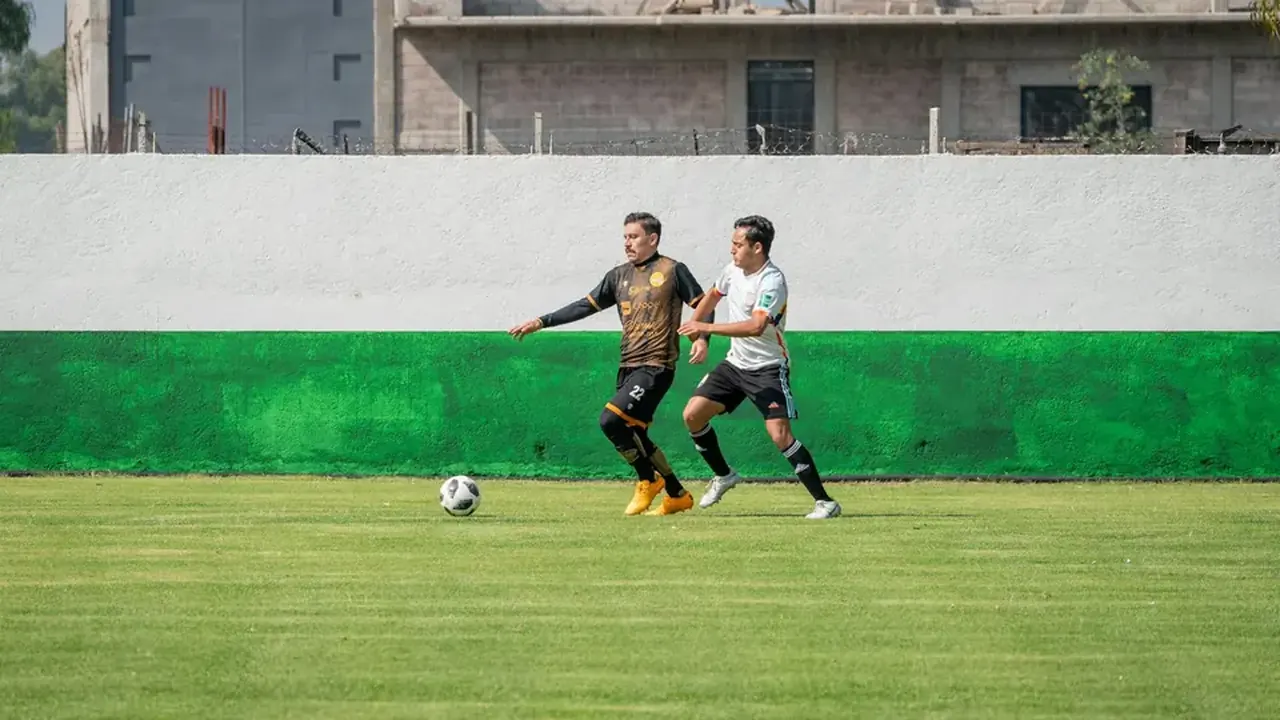
The Liverpool Academy, based in Kirkby, serves as the primary development center for young players within the club's structure. It operates under the club's broader philosophy of integrating youth talent into the first team when readiness aligns with tactical needs. The academy system includes age-group teams from under-9s through under-21s, with a focus on technical development, positional understanding, and adaptability to senior football demands.Kirkby Training Complex
The AXA Training Centre in Kirkby, opened in 2020, houses both the first team and academy operations. This facility replaced the previous Melwood training ground and provides modern resources for player development, including advanced analytics, recovery systems, and coaching infrastructure. The integration of academy and senior teams within the same complex facilitates smoother transitions for young players moving into first-team training sessions.Academy Director Role
The Academy Director oversees the entire youth development program, including recruitment, coaching standards, and player progression pathways. This position coordinates with the first-team coaching staff to ensure that academy graduates possess the tactical and physical attributes required for senior football under the current head coach. The director also manages relationships with loan clubs for player development outside the academy environment.Key Young Players
Rio Ngumoha
Rio Ngumoha is a young attacking player within the Liverpool academy system, recognized for his technical ability and creative potential. As of the 2024–25 season, he has been involved in first-team training sessions and has featured in matchday squads for domestic cup competitions. His development trajectory depends on continued physical maturation, tactical adaptation to senior football, and opportunities within the first-team rotation. Ngumoha represents the type of academy prospect that Liverpool has historically integrated into the senior squad through gradual exposure rather than immediate regular starting roles.Academy Graduates in Current Squad
Liverpool's current first-team squad includes several players who progressed through the academy system, such as Trent Alexander-Arnold, Curtis Jones, and Jarell Quansah. These players demonstrate the pathway from youth development to senior football, though each followed an individual timeline based on positional needs, injury situations, and coaching staff assessments. The presence of academy graduates in the first team provides context for evaluating current prospects like Ngumoha, as their journeys offer reference points for realistic development expectations.Loan System for Young Players
Liverpool operates a loan system for academy players who require competitive senior minutes before integrating into the first team. Players are typically loaned to Championship, League One, or European clubs where they can gain experience in professional environments. The success of loan moves varies based on the receiving club's playing style, the player's adaptability, and the level of match time secured. Recent examples include Tyler Morton's loan at Hull City and Fabio Carvalho's temporary moves before his permanent transfer.Development Pathways
First-Team Training Integration
Young players are gradually integrated into first-team training sessions based on assessments by academy coaches and the senior coaching staff. This process often begins with occasional training appearances, progressing to regular involvement in sessions, and eventually to inclusion in matchday squads. The timing of these transitions depends on the player's physical readiness, tactical understanding, and the first team's current squad depth in specific positions.Under-21s to First Team Transition
The under-21 team serves as the primary bridge between academy football and senior competition. Players in this age group compete in the Premier League 2 and occasionally in the EFL Trophy, facing opponents that include older and more experienced professionals. Performance in these matches, combined with training impressions, informs decisions about promoting players to first-team involvement or arranging loan moves for further development.Position-Specific Development
Liverpool's academy emphasizes position-specific training that prepares players for the tactical demands of the first team. Full-backs learn to operate in advanced positions, midfielders develop understanding of pressing triggers and transition play, and attackers work on movement patterns that fit the team's attacking structure. This specialized approach aims to reduce the adaptation period when young players step into senior matches.Evaluation Metrics
Performance Indicators for Young Players
Evaluating young player form requires different metrics than those used for established senior professionals. Key indicators include consistency in age-group matches, physical development relative to peers, decision-making under pressure, and ability to impact games in high-stakes academy fixtures. Technical metrics such as passing accuracy, dribbling completion rates, and defensive actions provide additional context, though they must be interpreted within the competitive level of youth football.Comparison with Peer Groups
Young players are often assessed relative to their age-group peers across Premier League academies. This comparative analysis helps identify whether a player's development is progressing at an expected rate, ahead of schedule, or requiring additional support. External benchmarks include appearances for England youth national teams, which provide exposure to different tactical systems and competitive environments.Physical Readiness Assessments
Physical development is a critical factor in determining when young players can safely and effectively compete in senior football. The academy's sports science team monitors growth patterns, injury history, and physical testing results to guide training loads and progression timelines. Players who develop physically earlier may have advantages in youth football but require careful management to avoid overuse injuries and to ensure continued technical development.What to Check When Evaluating Young Player Form
- Match appearances across age-group competitions and any first-team involvement
- Training reports from academy coaches regarding technical and tactical progress
- Physical development data and injury history
- Performance in loan spells if applicable
- Feedback from external observers such as youth international team coaches
- Comparison with historical development timelines of successful academy graduates
Reader Comments (0)