

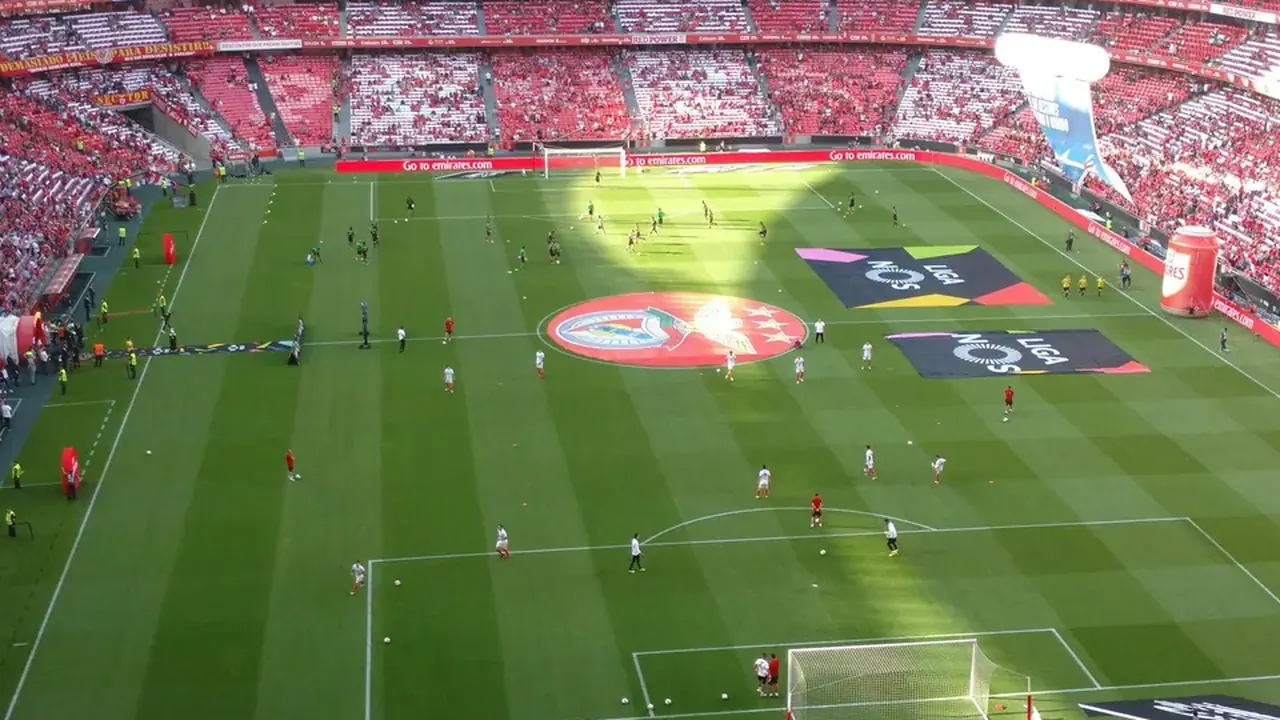
The 2024/25 campaign under Arne Slot has redefined expectations at Anfield. After a transitional summer that saw the departure of Jürgen Klopp, Liverpool secured their second Premier League title in five seasons, finishing with a points tally that silenced early sceptics. Yet the landscape of English football shifts rapidly. Manchester City’s rebuild under Pep Guardiola enters a new phase, Arsenal’s young core matures, and Chelsea’s spending spree continues unabated. For Liverpool supporters, the question is not whether the club can compete, but how Slot’s system will evolve, which positions require reinforcement, and whether the squad’s core—now entering its late prime—can sustain another title challenge. This analysis examines the key variables that will shape Liverpool’s 2025/26 season, from tactical adjustments to transfer strategy, while acknowledging the uncertainties inherent in football forecasting.
The Tactical Evolution Under Arne Slot
Slot’s first season demonstrated a pragmatic departure from Klopp’s heavy-metal football. While the high press remained a cornerstone, Liverpool’s build-up play became more controlled, with inverted full-backs and a double pivot offering defensive solidity. The 4-2-3-1 formation, occasionally shifting to a 4-3-3 against weaker opposition, allowed Mohamed Salah to operate with greater freedom in central areas. However, next season presents new challenges. Opponents have now had a full season to study Slot’s patterns. The question is whether Liverpool can introduce tactical variations to maintain unpredictability.
One area of potential evolution is the use of the left-back position. Andrew Robertson, now in his late twenties, has shown signs of declining recovery pace. Slot may opt for a more conservative defensive shape on the left, allowing the right-back—whether Trent Alexander-Arnold or a new signing—to push higher. The midfield trio of Alexis Mac Allister, Dominik Szoboszlai, and Wataru Endo provided balance last season, but the lack of a genuine defensive midfielder capable of covering ground could be exploited by quick transitions from top-six rivals.
Table 1: Expected Tactical Adjustments for 2025/26
| Tactical Element | 2024/25 Approach | Projected 2025/26 Shift | Rationale |
|---|---|---|---|
| Build-up shape | 2-3-5 with inverted full-backs | 3-2-5 with one full-back staying deep | Increased protection against counter-attacks |
| Pressing trigger | High press after opponent’s third pass | Mid-block with selective pressing | Conserving energy for later stages of matches |
| Set-piece strategy | Zonal marking on corners | Mixed zonal/man-marking system | Addressing vulnerability to near-post deliveries |
| Attacking width | Overlapping full-backs | Underlapping runs from midfield | Creating space for wingers to cut inside |
Transfer Window Priorities: Where Liverpool Must Strengthen
The summer transfer window represents the most critical period for Liverpool’s squad planning. With several first-team players entering the final years of their contracts, sporting director Richard Hughes faces difficult decisions. The club’s policy of avoiding panic buys has served them well, but the market dynamics have changed. Premier League rivals are spending aggressively, and Liverpool’s wage structure—while sustainable—may limit their ability to attract elite talents without Champions League football.
Left-Back: A Position in Transition
Andrew Robertson’s influence has waned, and Kostas Tsimikas has not convinced as a long-term replacement. The link with Milos Kerkez, the Bournemouth left-back, makes tactical sense. Kerkez offers pace, dribbling ability, and defensive aggression—qualities that align with Slot’s preference for athletic full-backs. However, Bournemouth’s valuation, reportedly in the region of £40 million, reflects the inflated market for Premier League-proven defenders. Liverpool may need to decide whether to invest heavily now or develop a younger alternative from the academy.
Right-Back: The Alexander-Arnold Dilemma
Trent Alexander-Arnold’s future remains a subject of intense speculation. His contract situation, with less than two years remaining, has attracted interest from Real Madrid and Manchester City. Should Liverpool fail to secure an extension, they may be forced to sell this summer rather than risk losing him on a free transfer. The potential arrival of Jeremie Frimpong from Bayer Leverkusen has been mooted as a replacement. Frimpong’s attacking output—double-digit goals and assists in the Bundesliga—is impressive, but his defensive positioning has been questioned. Slot would need to adjust the system to accommodate a right-back who thrives as a wing-back rather than a traditional defender.
Central Midfield: Creativity and Control
The midfield performed admirably last season, but the lack of a progressive passer from deep remains a concern. Florian Wirtz, the Bayer Leverkusen playmaker, has been linked with a move to Anfield. Wirtz’s ability to operate between the lines and his vision for through-balls would add a new dimension to Liverpool’s attack. However, his injury history—including a serious knee injury in 2022—raises questions about his durability. The transfer fee, likely exceeding £80 million, would represent a club-record outlay. Liverpool must weigh the potential upside against the financial risk, particularly given the need to strengthen multiple positions.
Striker: The Isak Equation
Alexander Isak’s performances for Newcastle United have made him one of the most sought-after strikers in Europe. His combination of pace, technical ability, and finishing has drawn comparisons to Thierry Henry. Liverpool’s interest is understandable: Darwin Núñez, while effective in stretches, has lacked consistency in front of goal. Isak would provide a more reliable focal point, capable of linking play and scoring from various positions. Yet Newcastle’s asking price, reportedly exceeding £100 million, reflects his importance to their project. Liverpool would need to sell players to fund such a move, potentially including Núñez or Luis Díaz.

Table 2: Transfer Target Assessment
| Player | Position | Estimated Fee | Fit with Slot’s System | Injury Risk | Source Reliability |
|---|---|---|---|---|---|
| Milos Kerkez | Left-back | £35-45 million | High – athletic profile suits pressing | Low | Medium – multiple outlets report interest |
| Jeremie Frimpong | Right-back | £40-50 million | Medium – requires tactical adjustment | Low | Medium – agent-linked speculation |
| Florian Wirtz | Attacking midfield | £80-100 million | Very High – creative profile needed | Medium | Low – primarily German press reports |
| Alexander Isak | Striker | £100-120 million | High – versatile forward | Medium | Low – agent-driven rumours |
| João Palhinha | Defensive midfield | £50-60 million | Medium – different profile to current options | Low | Low – speculative from Portuguese sources |
Note: Transfer fees and interest levels are based on media speculation and should not be considered confirmed. Official confirmation from Liverpool FC is required for any transfer to be considered factual.
Contract Situations: The Looming Deadlines
Liverpool’s squad planning is complicated by the contract status of several key players. Mohamed Salah, Virgil van Dijk, and Alisson Becker are all in their thirties, with their current deals expiring in 2025 or 2026. The club’s policy of offering one-year extensions to players over 30 has been pragmatic, but it creates uncertainty. Salah’s form last season—scoring over 20 league goals—suggests he remains at an elite level, but his wage demands are significant. Van Dijk, despite occasional lapses in pace, remains a commanding presence. Alisson’s shot-stopping remains world-class, but his distribution has been inconsistent.
The risk is that Liverpool enters the 2025/26 season with multiple starters approaching free agency. If contract negotiations stall, the club may be forced to sell players like Alexander-Arnold or Salah to avoid losing them for nothing. This would create a transitional period that could disrupt Slot’s project. The ideal scenario—extending the core while integrating younger talents—requires delicate financial management.
Youth Academy: The Next Generation
Liverpool’s academy has produced several promising talents, including Ben Doak, James McConnell, and Bobby Clark. Doak, in particular, has impressed on loan at Middlesbrough, showcasing his dribbling ability and directness. With Mohamed Salah’s future uncertain, Doak could be integrated into the first-team squad next season. However, relying on youth to fill gaps in a title-challenging squad carries risks. The Premier League demands consistency, and young players often experience form fluctuations.
The academy’s production line has been inconsistent compared to rivals like Manchester City or Chelsea. Liverpool’s recruitment strategy has favoured buying established players over developing homegrown talent. Next season may test whether this approach remains viable, particularly if the club faces financial constraints in the transfer market.
The Competitive Landscape: Premier League and Champions League
Liverpool’s title defence will face formidable opposition. Manchester City, despite an ageing squad, retain the tactical flexibility of Guardiola and the goalscoring reliability of Erling Haaland. Arsenal’s young core, including Bukayo Saka and Martin Ødegaard, continues to develop under Mikel Arteta. Chelsea’s spending spree, while chaotic, has assembled a deep squad that could click under a new manager. Tottenham Hotspur and Manchester United are rebuilding, while Aston Villa’s progress under Unai Emery cannot be ignored.
In the Champions League, Liverpool’s group-stage performance will depend on the draw. The expanded format, with eight group matches, increases the margin for error but also adds fixture congestion. Slot’s squad rotation will be tested, particularly if Liverpool progresses deep into both domestic cup competitions. The balance between league form and European success will define the season’s narrative.

Risk Factors and Historical Parallels
History offers cautionary tales. Liverpool’s 2020/21 title defence collapsed due to a combination of injuries, fixture congestion, and a lack of squad depth. The current squad is deeper than that iteration, but the core is older. Injuries to key players—particularly Salah, Van Dijk, or Alisson—could derail the season. Slot’s tactical system requires specific profiles; replacing a player like Alexander-Arnold with a more defensive option changes the team’s dynamic.
Another risk is the psychological toll of defending a title. Liverpool’s 2024/25 campaign was built on momentum and belief. Replicating that intensity for a second season is difficult, especially if early results are inconsistent. The pressure from fans and media, amplified by social media, can affect player performances. Slot’s ability to manage expectations and maintain squad morale will be crucial.
Table 3: Potential Risks and Mitigation Strategies
| Risk Factor | Likelihood | Impact | Mitigation Strategy |
|---|---|---|---|
| Key player injury (e.g., Salah, Van Dijk) | Medium | Very High | Strengthen squad depth in transfer window |
| Contract uncertainty affecting morale | High | High | Resolve key extensions before pre-season |
| Tactical predictability | Medium | Medium | Introduce variations during pre-season friendlies |
| Fixture congestion in April/May | High | High | Rotate squad effectively; prioritise competitions |
| Transfer market failure | Medium | Medium | Develop academy players as alternatives |
Conclusion: A Season of Transition or Consolidation?
The 2025/26 season will reveal whether Liverpool’s title win under Slot was a one-off or the beginning of a sustained period of dominance. The club faces critical decisions in the transfer market, with the potential arrival of players like Isak or Wirtz representing a significant investment. The contract situations of key players create uncertainty, while the tactical evolution under Slot must continue to stay ahead of opponents.
For fans, the season offers both hope and anxiety. The memory of last season’s triumph is fresh, but the challenges ahead are substantial. Liverpool’s ability to navigate the transfer window, manage contracts, and maintain tactical flexibility will determine whether they can challenge on multiple fronts. The xG models and statistical projections offer some guidance, but football’s unpredictability ensures that nothing is guaranteed. What is certain is that Anfield will demand nothing less than a committed, intelligent, and resilient performance from every player and coach involved.
For further reading on Liverpool’s trophy history and recent press conferences, visit our latest news, trophy history, and press conference summaries sections.
Disclaimer: This article is fan analysis and speculative content. It is not verified news. Details about future events, transfers, and player conditions are based on media reports and opinions, not official club statements.
Reader Comments (0)