


Defining the Defensive Midfielder’s Role in Liverpool’s System
The defensive midfielder in Liverpool’s tactical setup under Arne Slot is not merely a ball-winner but a pivot that connects defensive solidity with attacking transitions. Tackles per game serve as a key metric for evaluating how effectively these players disrupt opposition buildup and regain possession in dangerous areas. However, raw tackle counts must be contextualised within Liverpool’s pressing structure, positional responsibilities, and the specific match dynamics.
At Liverpool, the defensive midfielder typically operates as the single pivot in a 4-3-3 or 4-2-3-1 formation, tasked with screening the back four, covering for advancing full-backs, and initiating attacks from deep. Tackles per game alone do not capture the full picture—interceptions, pressures, and pass completion under duress are equally telling. This glossary breaks down the key terms and statistics that define Liverpool’s defensive midfield performance.
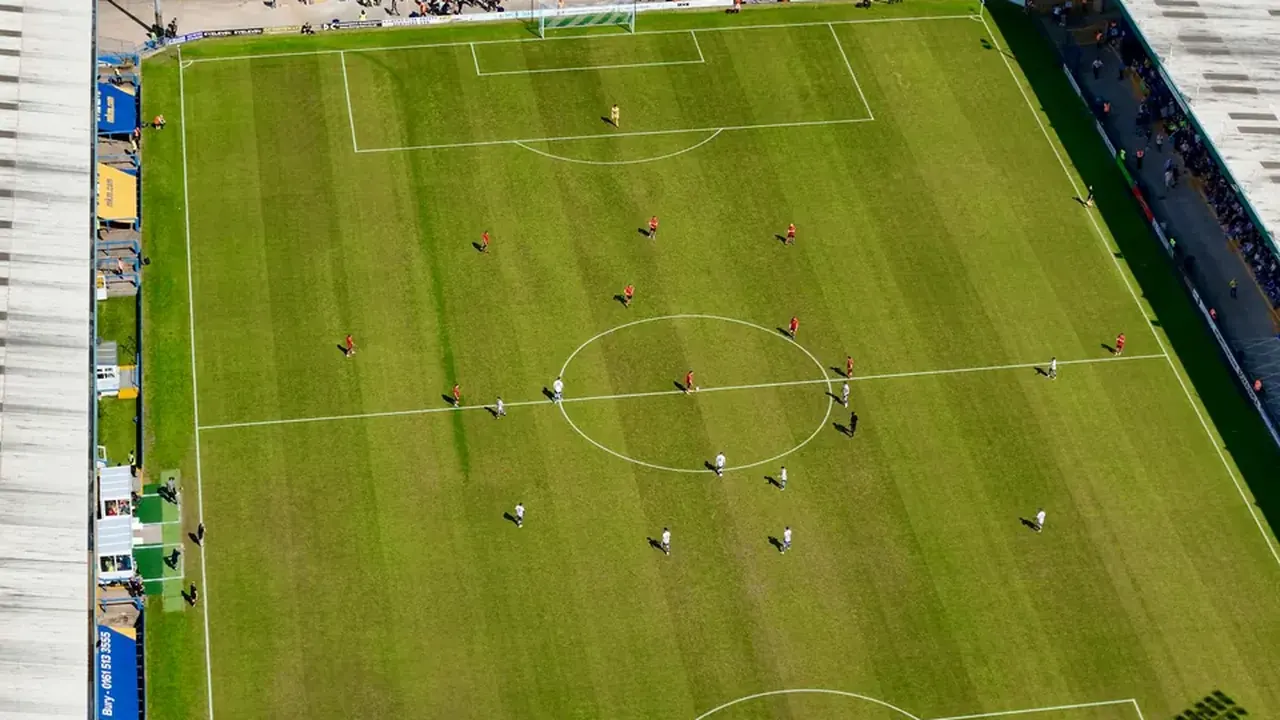
### Tackles per Game (Tkl/Game)
A basic counting statistic measuring the average number of successful tackles made by a player per 90 minutes of play. A tackle is defined as a defensive action where the player directly dispossesses an opponent in possession of the ball. For Liverpool’s defensive midfielders, a rate of 2.5–3.5 tackles per 90 minutes is considered solid, though Slot’s system prioritises positioning over reckless challenges. Context matters: a midfielder facing high-volume attacking sides may record inflated numbers, while one in a dominant possession game may have fewer opportunities.### Tackle Success Rate (%)
The percentage of attempted tackles that result in the player winning possession. A rate above 65% is generally effective for a Premier League defensive midfielder. Liverpool’s system under Slot emphasises controlled aggression—midfielders are encouraged to engage only when there is high probability of success, reducing fouls and yellow cards. A low success rate may indicate poor timing or overcommitment, which can leave gaps in the defensive structure.### Interceptions per Game (Int/Game)
The average number of times a player cuts out an opposition pass per 90 minutes. This metric is often more revealing than tackles for a possession-based side like Liverpool, as it reflects reading of the game and anticipation. A defensive midfielder who averages 1.5–2.5 interceptions per game is considered effective at breaking up play before it reaches the defensive line. Interceptions are particularly valuable in Slot’s high-press system, where cutting passing lanes forces turnovers in advanced areas.### Pressures per 90 (Press/90)
The number of times a player applies pressure to an opponent in possession, measured per 90 minutes. This includes closing down space, forcing errors, and disrupting passing options. Liverpool’s defensive midfielders typically register 15–20 pressures per 90, with a high proportion occurring in the middle third. Slot demands that the pivot be the first line of defensive engagement, initiating the press after a turnover and recovering quickly when bypassed.### Pressure Regains (Press Regain %)
The percentage of pressures that result in Liverpool regaining possession within five seconds. A rate above 30% is considered elite. This metric captures the effectiveness of pressing rather than mere activity. For Liverpool’s defensive midfielder, a high pressure regain rate indicates intelligent positioning and timing—key traits for a system that relies on winning the ball high up the pitch. Players like Wataru Endō have historically excelled here, while younger midfielders may need time to develop this instinct.### Ball Recoveries per Game (Rec/Game)
The total number of loose balls, second balls, and direct regains a player makes per 90 minutes. This is a broader metric than tackles, encompassing all ways a midfielder wins possession. Liverpool’s defensive midfielders average 6–8 recoveries per game, with a significant share occurring in the defensive third. Recoveries in the opposition half are particularly prized, as they lead to quick counter-attacks. This statistic correlates strongly with a midfielder’s work rate and anticipation.### Dribbled Past per 90 (Drb/90)
The average number of times an opponent successfully dribbles past the player per 90 minutes. A low number indicates good positioning and recovery speed. For Liverpool’s defensive midfielder, being dribbled past more than 1.5 times per 90 is a concern, as it exposes the back four to direct running. Slot’s system attempts to mitigate this through compact defensive shapes and double-pivot setups in certain matches.### Fouls per Game (Foul/Game)
The average number of fouls committed per 90 minutes. A rate above 1.5 fouls per game may indicate a midfielder who relies on physicality over positioning. Liverpool’s defensive midfielders are generally disciplined, averaging 0.8–1.2 fouls per game under Slot. Accumulating fouls in dangerous areas can lead to set-piece threats, so the club values clean tackling and tactical fouling only when necessary to break counter-attacks.### Yellow Cards per Game (YC/Game)
The average number of yellow cards received per 90 minutes. This is a proxy for disciplinary risk. A defensive midfielder who averages 0.3–0.5 yellow cards per 90 may face suspension risk over a season. Liverpool’s system requires the pivot to stay on the pitch for 90 minutes, so Slot often rotates between more aggressive and more cautious options depending on the opponent.### Pass Completion % (Pass%)
The percentage of attempted passes that reach a teammate. While not a defensive metric directly, it reflects a midfielder’s ability to retain possession under pressure—a critical trait for Liverpool’s build-up play. A defensive midfielder with a pass completion rate below 80% may be a liability in possession, inviting opponent pressure. Slot’s midfielders typically aim for 85–90% completion, with higher risk passes reserved for switches of play or through balls.### Progressive Passes per 90 (Prog Pass/90)
The number of passes that move the ball towards the opponent’s goal by at least 10 yards or into the penalty area. This metric measures a defensive midfielder’s contribution to attacking transitions. Liverpool’s system requires the pivot to break lines with vertical passes, especially to the wide forwards or advancing full-backs. A rate of 5–8 progressive passes per 90 is considered good for this role.### Passes into Final Third (Pass Final/90)
The number of completed passes that enter the attacking third of the pitch per 90 minutes. This is a subset of progressive passes and reflects the midfielder’s ability to link defence and attack. Liverpool’s defensive midfielders typically record 8–12 passes into the final third per game, with higher numbers in matches where Liverpool dominate possession.### Long Pass Completion % (Long Pass%)
The percentage of attempted long passes (over 30 yards) that reach a teammate. This metric is important for switch-of-play passes and diagonal balls to the wingers. A rate above 60% is effective. Liverpool’s defensive midfielders are often tasked with spreading play to the full-backs or wide attackers, so long-pass accuracy is a valued skill. Players like Alexis Mac Allister have shown proficiency here, while others may rely more on short combinations.### Ball Carries per 90 (Carries/90)
The number of times a player moves with the ball at their feet, measured per 90 minutes. Carries into the final third or penalty area are particularly valuable. For a defensive midfielder, carries are a double-edged sword: advancing the ball can break defensive lines, but losing possession in transition can be costly. Liverpool’s system encourages carries when space is available, but the pivot must balance risk with defensive responsibility.### Carries into Penalty Area (Carries into Box/90)
The number of times a player carries the ball into the opponent’s penalty area per 90 minutes. This is rare for a defensive midfielder but indicates attacking ambition. Slot has occasionally used his pivot in advanced positions during possession phases, particularly when Liverpool face low blocks. A midfielder who averages 0.5–1.0 carries into the box per 90 is contributing to attacking overloads.### Touches per Game (Touches/90)
The total number of times a player touches the ball per 90 minutes. This metric reflects involvement in play. Liverpool’s defensive midfielders typically record 60–80 touches per game, with higher numbers in possession-dominant matches. A low touch count may indicate that the midfielder is being bypassed in build-up or is not receiving enough service under pressure.### Aerial Duels Won % (Aerial%)
The percentage of aerial duels won. While not a primary responsibility for Liverpool’s defensive midfielders, aerial ability is useful against direct opponents or set-piece situations. A rate above 50% is acceptable, though shorter midfielders like Harvey Elliott may struggle in this area, requiring tactical adjustments from Slot.### Ground Duels Won % (Ground%)
The percentage of ground duels (tackles, 50/50 balls) won. This is a core defensive metric for a midfielder. A rate above 60% is considered strong. Liverpool’s system values winning ground duels in the middle third to initiate quick transitions. Players like Ryan Gravenberch have shown improvement here, while others may need to develop physicality to compete in the Premier League.### Blocks per Game (Blocks/90)
The number of shots or passes blocked by the player per 90 minutes. This includes blocking passes in the defensive third and shots from distance. A defensive midfielder who averages 1.0–1.5 blocks per game contributes to protecting the defensive line. Blocking passing lanes is particularly important in Slot’s system, as it prevents opponents from playing through the middle.### Clearances per Game (Clear/90)
The number of times a player clears the ball from the defensive third per 90 minutes. This is more common for centre-backs but also relevant for the defensive midfielder when dropping deep to cover. A rate of 1–2 clearances per game is typical for Liverpool’s pivot, indicating they are not frequently under pressure in their own box.### Errors Leading to Shots (Errors/90)
The number of errors (misplaced passes, losing possession, fouls) that directly lead to an opponent’s shot attempt per 90 minutes. A low number is critical for a defensive midfielder. A rate above 0.3 errors per 90 is concerning. Liverpool’s system is built on minimising individual errors, so Slot prioritises midfielders with high composure under pressure.### Distance Covered per Game (km/90)
The total distance a player runs per 90 minutes, measured in kilometres. Liverpool’s defensive midfielders typically cover 10–12 km per game, with a high proportion of high-intensity running. Slot’s pressing system demands significant work rate from the pivot, who must cover ground laterally and vertically. A midfielder below 10 km per game may be deemed insufficiently mobile for the role.### High-Intensity Runs per 90 (HI Runs/90)
The number of sprints or high-intensity runs (above 25 km/h) per 90 minutes. This metric captures explosive movement. Liverpool’s defensive midfielders average 15–25 high-intensity runs per game, with peaks during pressing phases and transitions. A low number may indicate fatigue or lack of athleticism, which Slot addresses through rotation.### Duels per Game (Duels/90)
The total number of all duels (aerial, ground, 50/50) a player contests per 90 minutes. This is a broad measure of physical engagement. Liverpool’s defensive midfielders average 8–12 duels per game. A higher number suggests a more combative role, while a lower number may indicate a screening, positional approach. Slot’s preference depends on the opponent: more duels against physical sides, fewer against technical ones.### Sliding Tackles per Game (Slide/90)
The number of sliding tackles attempted per 90 minutes. This is a high-risk, high-reward action. Liverpool’s system generally discourages sliding tackles in the defensive third, preferring standing tackles and interceptions. A defensive midfielder who slides more than 1.0 times per 90 may be overcommitting, leaving gaps. However, a well-timed slide in the middle third can break a counter-attack.### Dribbling Success Rate (Dribble%)
The percentage of attempted dribbles that the player successfully completes. While not defensive, this metric matters for a defensive midfielder who advances the ball under pressure. A rate above 60% is good. Liverpool’s system values midfielders who can beat a press with a dribble, creating space for passes. Players like Dominik Szoboszlai have excelled here, while more defensive-minded midfielders may have lower rates.What to Check When Evaluating Liverpool’s Defensive Midfielders
When assessing a Liverpool defensive midfielder’s performance using tackles per game and related metrics, consider the following factors:
- Match context: Tackle counts vary significantly between matches against top-six sides and relegation-threatened teams. High possession games may suppress tackle numbers, while defensive matches may inflate them.
- Positional role: A single pivot faces more defensive responsibility than a double pivot. Compare metrics within the same tactical context.
- Opponent quality: Facing a high-pressing or counter-attacking side changes defensive demands. Adjust expectations accordingly.
- Formation adjustments: Slot may use a 4-2-3-1 or 4-3-3, altering the midfield’s defensive shape. Check the lineup and in-game changes.
- Injury and rotation: A midfielder playing 60 minutes after injury may have lower intensity numbers. Look at per-90 averages over a season.
- System evolution: Slot’s tactics have evolved since his arrival. Compare early-season metrics with recent performances to see adaptation.
- Complementary stats: Tackles per game alone can be misleading. Combine with interceptions, pressures, and pass completion for a full picture.

Reader Comments (0)